Parrot Socialization: 4 Essential Steps for a Strong Bond
Mastering the art of connection with a bird requires understanding that they are not just pets, but highly intelligent, sensitive social beings with own unique psychological needs.
To build a lasting bond, you must respect the biological windows of development, prioritize trust over touch, and use consistent positive reinforcement to shape behavior.
* The Golden Window: The most critical socialization period occurs during the fledgling-to-juvenile stage and the first three-to-six months of human contact. * Trust-First Approach: Socialization must be gradual, moving from passive presence to active interaction to prevent fear-based aggression. * Consistency is Key: Positive reinforcement is the only effective way to shape behavior without damaging the bird's psychological health.
When is the optimal time to start parrot socialization?
A young bird sits on a wooden perch, tilting its head as it eyes a new person walking into the room. The bird’s eyes track every movement, calculating whether this visitor is a friend or a predator.
The biological window for socialization is heavily influenced by the bird's neurological development. During the critical period—from infancy through the fledgling stage—the brain is highly plastic, meaning it is primed to form social bonds.
This is the period when they learn what is "safe" and what is "threatening."
When you first bring a bird home, the first 14 to 30 days should focus on environmental acclimation rather than forced handling. While hand-reared chicks can often bond more quickly due to their early human exposure, they can also carry higher risks of hormonal aggression later in life.
Conversely, adult rescues require a different approach: patience and scent-based bonding.
If you delay meaningful interaction, you risk "late-stage" socialization issues. Without proper engagement, a bird may develop fear-biting or hormonal aggression as they reach adulthood, making it much harder to build trust later.
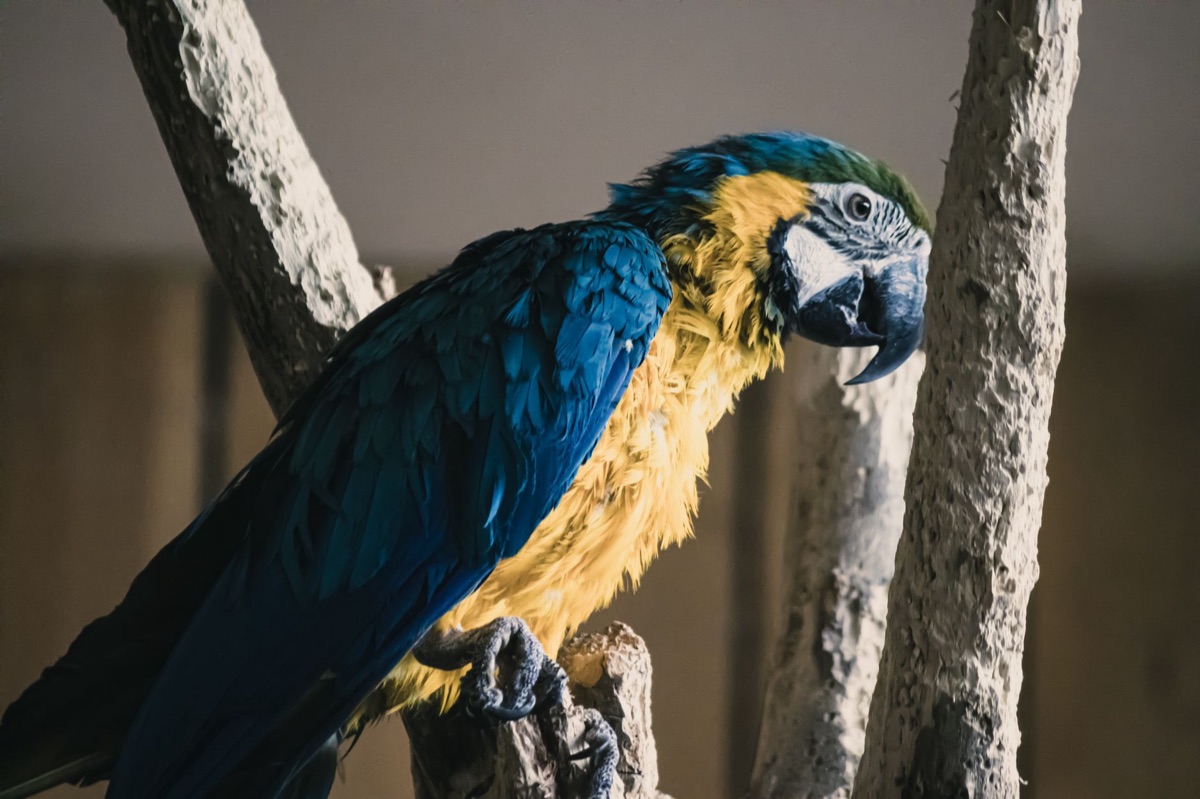
What are the essential preparation steps before interaction?
The living room is quiet, the lighting is soft, and a fresh bowl of pellets sits on a clean table. You sit in a chair three feet away from the bird's cage, holding a small piece of dried fruit.
Before you ever reach for a bird, you must prepare the environment. Creating a "Safe Zone" is vital; this means placing the cage in a spot with stable lighting and controlled noise levels to keep cortisol (stress) levels low.
If the bird feels exposed to foot traffic or loud televisions, they will never feel secure enough to bond.
You also need to establish a "Treat Hierarchy." Choose high-value treats, like a small piece of walnut or a sunflower seed, for training sessions, but keep these separate from their daily pellet-based diet to manage caloric intake.
Finally, you must become literate in bird body language. Before attempting physical contact, watch for "feather fluffing" (comfort/sleep), "pinning eyes" (intense focus/excitement), or "wing flicking" (agitation). Learning these signals is as important as the socialization itself.
Always wash your hands before interaction to remove strong scents that might trigger fear or cause cross-contamination.
How do you execute the step-by-step socialization process?
A hand moves slowly toward a bird, but it does not touch the bird. Instead, the hand holds a perch, waiting for the bird to make the first move.
Effective socialization follows a structured progression to avoid overwhelming the bird's instincts.
- Phase 1: Passive Presence (Days 1–7): During the first week, simply exist in the bird's visual field. Sit near the cage, read a book aloud, or talk softly. The goal is to show the bird that your presence is a constant, non-threatening part of their environment.
- Phase 2: Hand-Targeting & Scent Association (Days 8–21): Introduce the concept of the hand as a source of good things. Use a finger or a small stick for "target training," where the bird touches the object to receive a treat. This teaches them that your hands are tools for interaction, not just objects of fear.
- Phase 3: Controlled Contact (Month 1+): Once the bird is comfortable with your hands being nearby, move to hand-perching. For compatible species, you can attempt gentle petting on the head or neck, but always follow the bird's lead.
- Phase 4: Out-of-Cage Exploration: Once the bird is confident within the cage, allow for supervised flight or playtime in a bird-safe room. This builds confidence in the wider environment and strengthens the bond through shared exploration.
| Phase | Primary Goal | Interaction Level |
|---|---|---|
| Passive Presence | Environmental Acclimation | Low (Visual/Auditory) |
| Hand-Targeting | Trust/Scent Association | Medium (Touch-adjacent) |
| Controlled Contact | Physical Interaction | High (Direct Contact) |
| Out-of-Cage | Confidence Building | Full Interaction |
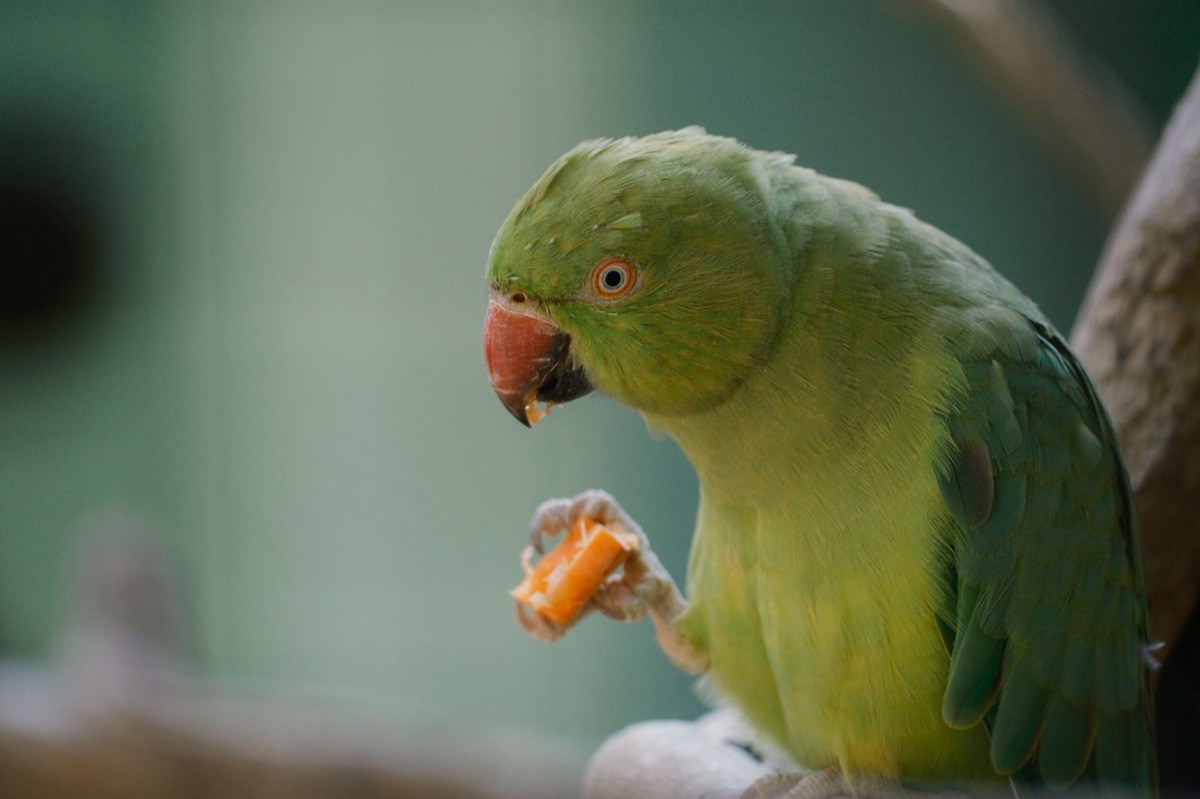
What are the common mistakes that ruin the bond?
A person reaches down from above to scoop up a bird, and the bird's wings flutter in a sudden, panicked burst of motion.
One of the most destructive mistakes is the "Forced Hug" trap. Grabbing a bird from above mimics the movement of a predator, which can cause permanent trust issues and fear-based aggression. If a bird is not ready to step up, forcing the interaction can set your progress back by weeks.
Inconsistent discipline is another trap. Many owners try to "punish" a bird after a bite has already occurred. Because birds live in the moment, they cannot connect a punishment with a past action; they only learn that you are unpredictable and scary.
Instead, focus on reinforcing good behavior rather than punishing bad behavior.
Finally, avoid over-socialization. Treating a bird like a tiny human can lead to ignoring their species-specific instincts, which can trigger hormonal/aggression issues. If you see signs of stress—such as heavy panting or intense eye-pinning—stop the interaction immediately.
Ignoring these "no" signals breaks the trust you are trying to build.
How can you manage behavioral issues during the transition?
A bird snaps at a hand, and the owner calmly moves the bird back to its cage without a word of anger.
Behavioral issues are often a reaction to fear or frustration. If a bird bites during a training session, the best response is often a "Time-out." This is not a punishment, but a brief period of removing the bird from the social interaction to allow them to calm down.
| Problem | Likely Cause | Immediate Solution |
|---|---|---|
| Fear-Biting | Lack of trust/Security | Increase passive presence/Reduce touch |
| Hormonal Aggression | Breeding instincts/Light cycles | Adjust sleep/Avoid petting certain areas |
| Avoidance | Over-stimulation/Fear | Give more space/Slow down interaction |
To manage these transitions, follow these steps:
- Identify the Trigger: Determine if the behavior is driven by fear, hormones, or play.
- Implement the Reset: If the bird is aggressive, step back. Give them space to regulate their own emotions.
- Reinforce the Positive: The moment the bird displays a calm or cooperative behavior, provide a high-value treat.
- Slow the Pace: If a bird reacts negatively to a step, go back to the previous phase for a few days.




Comments 0