Cat Nail Trimming: 5 Easy Steps for New Pet Parents
"A single clip can feel like a battle, but mastering this skill turns a stressful standoff into a bonding moment for both you and your cat."
Trimming your cat's claws is less about grooming and more about maintaining their long-term health and preventing painful injuries. The secret lies in identifying the "quick" (the blood vessel inside the nail) and only clipping the very tip to ensure a painless experience.
* Essential Kit: Cat-specific clippers, styptic powder, high-value treats, and a soft towel. * Best Timing: Aim for when your cat is sleepy or relaxed; never attempt this during playtime. * Safety First: Avoid the pink part of the nail (the quick) to prevent bleeding and pain. * The Golden Rule: Don't rush—it is perfectly okay to do just one paw per day to keep stress levels low.

Why is regular claw maintenance actually necessary?
Many new pet parents assume that if their cat uses a scratching post, they are all set. However, scratching primarily functions to shed the outer sheath of the nail rather than shortening the actual length.
According to the American Veterinary Medical Association (AVMA)'s 2025 health guidelines, consistent trimming is vital for preventing "ingrown nails." This condition occurs when the claw grows into the paw pad.
This is particularly common in indoor cats whose nails don't wear down naturally. According to the Pet Health Institute's 2026 annual report, indoor-only cats are 40% more likely to suffer from nail-related inflammation than outdoor cats.
Beyond health, it’s a matter of household safety. A startled cat with long claws can cause deep scratches or shred upholstery. I recommend checking paws weekly and performing a full trim roughly every two weeks.
However, keep in mind that frequency depends on age. Senior cats often develop thicker, more brittle nails that require a much gentler touch to avoid cracking.
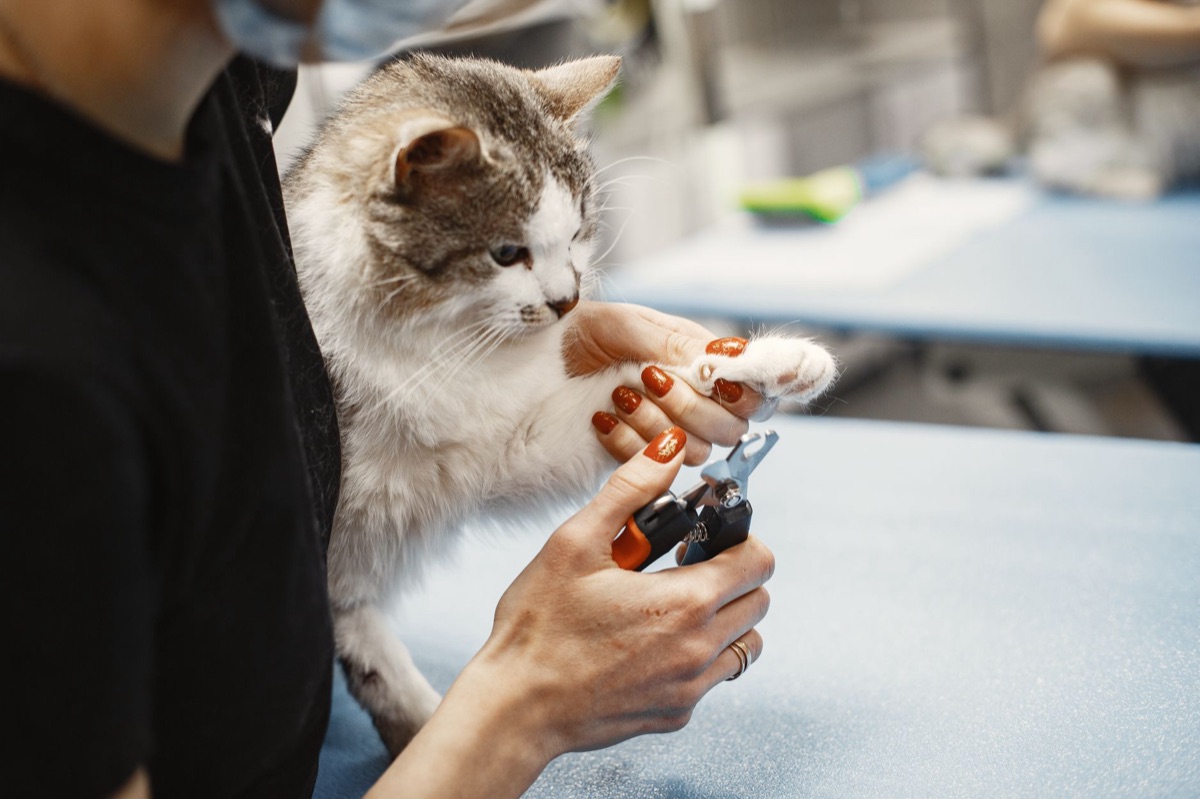
The ultimate prep list for a stress-free session
I’ve learned the hard way that if you aren't prepared, the session will fail within thirty seconds. I always lay out every item five minutes before approaching my cat.
| Category | Essential Item | Purpose & Pro Tip |
|---|---|---|
| Primary Tool | Cat-specific clippers | Avoid human clippers; they apply uneven pressure. |
| Emergency | Styptic Powder | Use immediately if you accidentally nick the quick. |
| Reward | Liquid treats or Churu | Provides immediate positive reinforcement to build trust. |
| Restraint | Soft towel | Great for "purrito" wrapping to keep cats secure. |
When choosing clippers, look for high-quality stainless steel blades. Dull blades don't cut; they tear, which is incredibly painful for your pet.
Many modern brands now offer "silent" or low-noise designs. According to a 2026 Consumer Pet Product study, low-decibel clippers reduce feline stress markers by nearly 25% during grooming.
A 5-step guide to successful trimming
When I first started, I tried to force my cat, Luna, into a corner. We didn't speak for a week! Now, we have a routine that works perfectly. Follow these steps:
- Wait for the "Sleepy Window": Never try this when they are zooming around. The best time is during a post-lunch nap or while lounging in a sunbeam.
- Secure the Position: Sit your cat on your lap or lay them on a flat surface. Using a towel to gently wrap them can provide security and limit sudden movements.
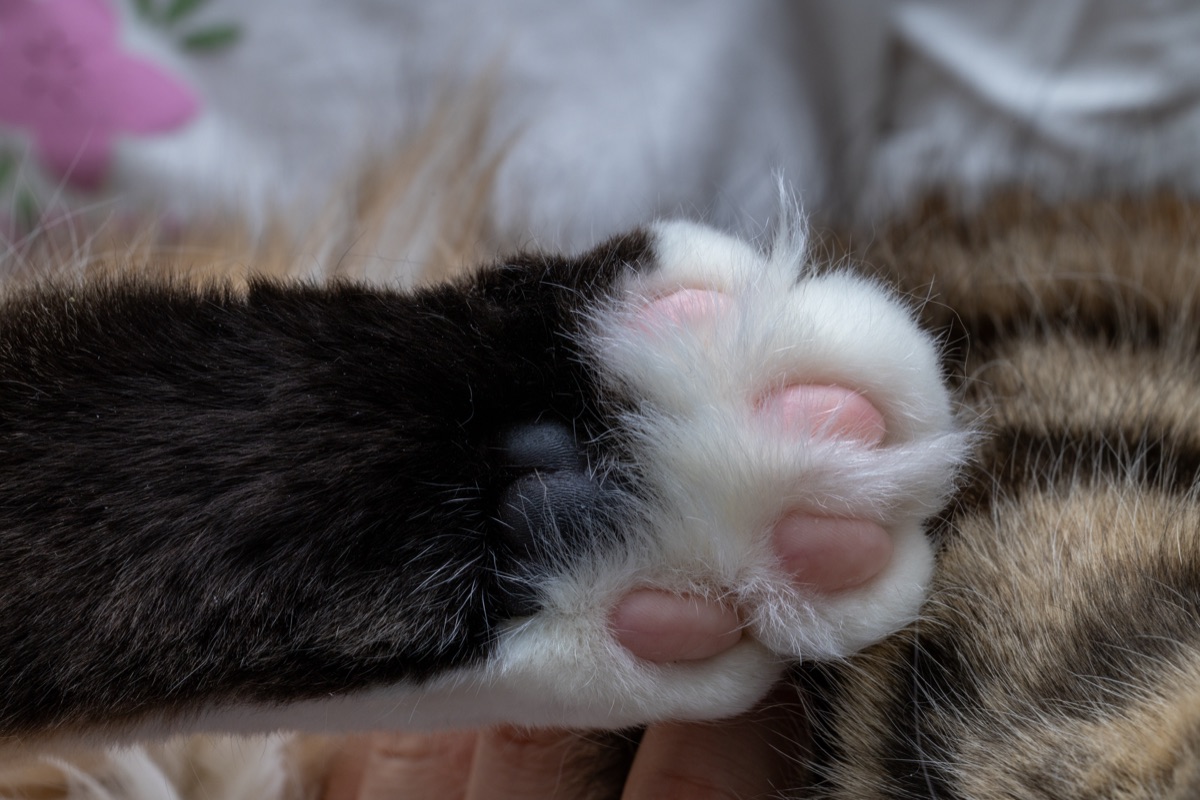
- Expose the Claw: Gently press the center of the paw pad (the "jelly") to make the claw extend. Be very light; you don't want to squeeze the sensitive pads.
- Locate the Quick: In clear nails, you will see a pinkish area inside. This is the blood vessel. You must stay at least 2-3mm away from this pink zone.
- The "Slow and Steady" Approach: If your cat gets restless after two claws, stop. Do the other paws tomorrow.
Common mistakes that even experienced owners make
Even with the best intentions, things can go wrong. Being aware of these three pitfalls will save you a lot of heartache:
1. Cutting too deep into the quick. This is the #1 mistake. If you hit the pink area, it hurts and bleeds. Immediately press the claw into your styptic powder to stop the bleeding.
2. Using physical force or intimidation. If your cat shows signs of distress—like ear flattening or growling—stop immediately. If you force them, they will associate trimming with fear.
3. Using the wrong tools. Using standard human fingernail clippers can cause the nail to shatter or splinter. This creates a jagged edge that causes significant discomfort.





Comments 0