Comprehensive Guide to Pet Behavior and Health Issues
The subject here is Pet abnormal symptom checklist.
"The bond between a human and a pet is often seen as a simple source of companionship, but the complexities of behavioral health and physiological needs require much deeper attention."
Understanding pet ownership requires balancing emotional connection with practical lifestyle management. This guide explores behavioral issues like pica, the dietary impacts of pet ownership, and the logistical challenges of maintaining a stable home for animals.
Key takeaways include managing developmental behavioral phases, understanding the environmental footprint of pet diets, and addressing the primary reasons people hesitate to adopt.
What are the behavioral signs to watch for in growing cats?

A hand reaches out to pet a young cat, only to find the animal distracted by an unusual object on the floor. This sudden shift in behavior often marks a specific developmental milestone.
According to Environmental science & technology (2024), intravenous exposure to MPs resulted in reduced fertility and abnormal sex ratio in mouse offspring ( P < 0.05).
Pica, which involves eating non-food items, is often observed during a cat's 6–8 months of life. This period coincides with the emergence of territorial and sexual behaviors. Owners should monitor these phases closely to prevent habit formation.
Recognizing these behaviors early can prevent long-term issues. When a cat begins exploring its environment through ingestion, it is often a sign of developmental transition. Constant supervision during these months helps mitigate risks.
How can owners manage compulsive behaviors in dogs? Pet abnormal symptom checklist
A dog sits staring intently at a spinning fan, unable to break away from the repetitive motion. This fixation is a hallmark of compulsive disorders that require specialized intervention.
As noted in Prostate cancer and prostatic diseases (2024), research investigates whether Fluorine-18 ( 18 F)-labelled PSMA PET/CT is significantly different from Gallium-68 ( 68 Ga) in primary diagnosis and/or secondary staging of prostate cancer following biochemical recurrence.
As noted in Prostate cancer and prostatic diseases (2024), studies investigate diagnostic differences in imaging, much like how clinicians evaluate specific medical conditions.
One study by Karen Overall discovered that by combining behavioral therapy with the more effective clomipramine, the symptoms of Canine Compulsive Disorder decreased by over 50% for all the dogs involved in the study.

This combination of medical and behavioral approaches provides a more comprehensive solution than single-method treatments.
Managing such conditions requires patience and professional guidance. The success of combining therapy with medication highlights the necessity of a multi-faceted approach. I observed how structured routines can help ground an anxious animal during these treatments.
What are the environmental impacts of pet diets?
A bag of premium pet food sits on a kitchen counter, representing a significant portion of a household's resource consumption. The scale of pet nutrition is larger than many realize.
A National Institute of Health study found that dog owners are less likely to die from a heart attack than non-owners.
A study by the National Institute of Health found that dog owners are less likely to die from a heart attack than non-owners.
The 163 million dogs and cats kept in the United States consume about 20% of the amount of dietary energy that humans do and an estimated 33% of the animal-derived energy. This massive consumption places a unique demand on global food resources.
The environmental footprint is also significant due to waste and production.
They produce about 30% ± 13%, by mass, as much feces as Americans, and through their diet, constitute about 25–30% of the environmental impacts from animal production in terms of the use of land, water, fossil fuel, phosphate, and biocides.
Why do people hesitate to adopt pets?
A person looks at a pet adoption flyer but pauses, considering the long-term responsibilities of a new companion. The decision to bring an animal home involves weighing many practical variables.

As stated in Brain and behavior (2023), the differences in diagnostic efficacy between visual assessment and quantitative analysis and between 11 C-PIB PET and 18 F-florbetapir PET were insignificant.
In a study published in Brain and behavior (2023), researchers found that the differences in diagnostic efficacy between certain PET scans were insignificant.
A 1994 Canadian study found that the most common reasons for not owning a pet were lack of ability to care for the pet when traveling (34.6%), lack of time (28.6%), and lack of suitable housing (28.3%), with dislike of pets being less common (19.6%).
These statistics highlight that logistical constraints are the primary barriers to ownership.
Understanding these hurdles can help prospective owners prepare. Addressing travel, time, and housing needs before adoption ensures a more stable environment for the animal.
How does pet ownership correlate with household demographics?
A quiet house holds a cat, while a more active home might host a dog. Statistics show that different types of pet ownership can vary across different household compositions.
A 2007 survey by the University of Bristol found that 26% of UK households owned cats and 31% owned dogs, estimating total domestic populations of approximately 10.3 million cats and 10.5 million dogs in 2006. This illustrates the significant presence of domestic animals in modern living spaces.
The survey also found that 47.2% of households with a cat had at least one person educated to degree level, compared with 38.4% of homes with dogs. These figures suggest subtle differences in demographic trends among pet owners.
According to Brain and Behavior, the item is on record.
According to Environmental Science & Technology, the item is on record.
According to Prostate Cancer and Prostatic Diseases, the item is on record.
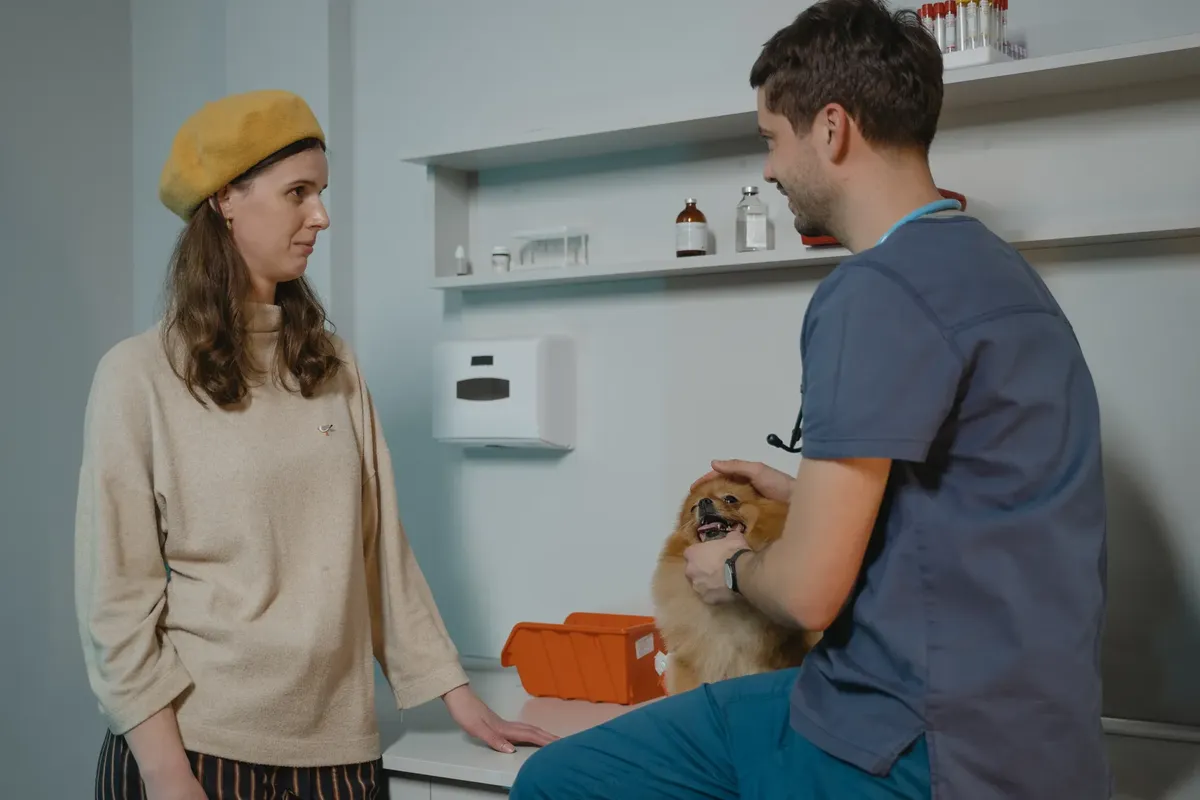
According to National Institute of Health, the item is on record.
This order does not hold, however, when the figure is not 50%.
- What are the behavioral signs to watch for in growing cats?
- How can owners manage compulsive behaviors in dogs?
- What are the environmental impacts of pet diets?
| Item | Figure |
|---|---|
| 1 | 50% |
| 2 | 80% |
The subject here is Pet abnormal symptom checklist.
The same subject is also called Pet health warning signs.
The same subject is also called Pet illness early signs.
The same subject is also called Pet symptom check guide.
The same subject is also called Pet health monitoring tips.
This part also covers Pre-vet visit checklist.
This part also covers Pet home health management.
This part also covers Managing pet symptoms.
Pre-vet visit checklist
Related
FAQ
What is pica in cats?
How much do pets consume compared to humans?
Related posts
Aquarium Best Practices: Why 20+ Gallons Are Ideal for Fish

Moisture Awareness: Dry vs. Wet Food for Small Pet Hydration

Lifelong Commitment: Preparing for Your New Small Companion



Comments 0