Moisture Awareness: Dry vs. Wet Food for Small Pet Hydration
"Choosing the right first meal is more than just filling a bowl; it is the foundation of your pet's entire biological future."
Selecting the first food for a small pet requires balancing species-specific nutritional needs with long-term health stability. To succeed, you must match the diet to the life stage, understand moisture content, and transition slowly to prevent digestive distress.
* Species Specificity: Always match the food to the exact species and life stage. * Nutritional Balance: Prioritize protein levels and ingredient quality over brand popularity. * Moisture Awareness: Understand the difference between dry and wet food for hydration. * Slow Transitions: Never switch foods abruptly; a gradual mix is essential for gut health.
Why is Choosing the First Food So Critical for Small Pets?
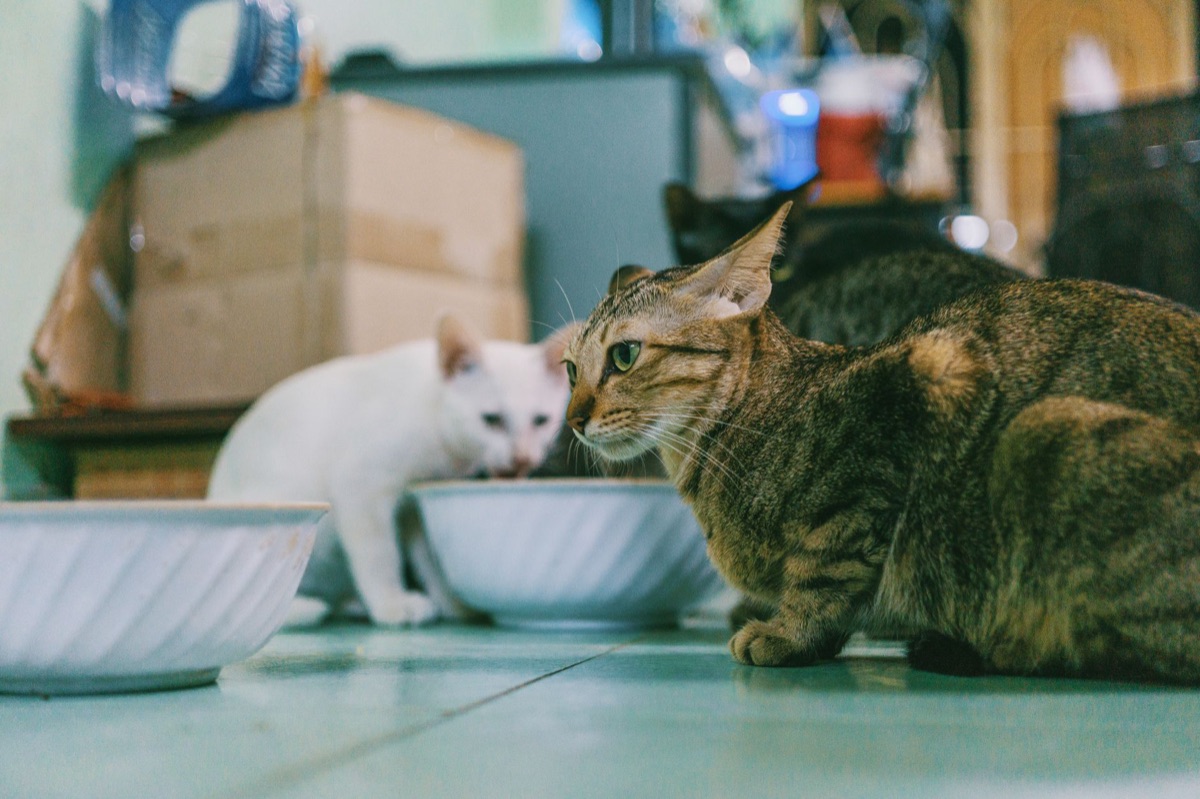
A tiny hamster sits in the corner of a glass enclosure in a quiet living room, sniffing a new pellet with hesitant, twitching whiskers. This first encounter with nutrition sets the stage for every metabolic process that will follow in its short but vibrant life.
The first diet establishes metabolic habits and digestive health that can last a lifetime. For small animals, nutrient density is vital because their high metabolic rates require concentrated energy in small volumes.
Poor initial food choices often lead to chronic digestive upset, which owners frequently mistake for behavioral issues or temperament problems. But the importance goes deeper than just a single meal.

How do I match the diet to my pet's specific needs? Under the bright lights of the kitchen, I lean over the counter to inspect a bag of grain, feeling the weight of responsibility in my hands.
I remember the first time I brought home a young rabbit in the spring of 2022; the sheer variety of hay and pellet options felt overwhelming, making me wonder if a single mistake could ruin its health.
You must look past the colorful packaging to see if the biological requirements of your pet are actually being met.
Small pets have vastly different requirements based on their species and life stage, such as the high energy needs of a growing juvenile compared to a mature adult.
| Food Type | Typical Moisture Content | Primary Characteristic |
|---|---|---|
| Dry Food | 3–11% | Convenient with a long shelf life |
| Wet Food | 60–78% | High hydration and palatability |
| Semi-Moist | Intermediate | Often used for transition periods |
When looking at nutritional labels, pay close attention to protein levels. Some diets may have a protein level lower than others, such as 18-20%, which might be appropriate for some species but insufficient for growing juveniles. However, matching the species is only the first hurdle.
How can I evaluate food quality and safety standards? Walking through a pet supply aisle in a bright, fluorescent-lit supermarket, the sheer volume of bags can make anyone feel lost. You might find yourself staring at a bag of premium pellets, wondering if the ingredients listed are truly the primary components of the food.
Focus on the first three ingredients on the label, as these represent the most abundant components in the mix. Avoid foods where fillers dominate the list.
You must also consider the stability of the product; for instance, certain semi-moist foods are extremely vulnerable to spoiling if not kept cool and may only have a shelf life of 2–4 months unopened.
Safety awareness is paramount when selecting brands. While recalled products represent just 1% of pet foods available in the U.S., a single recall can be one of the largest in American history.
According to the FDA, findings from Banfield's veterinarians—who treat an estimated 6 percent of the nation's cats and dogs—provide "the most authoritative picture of the harm done to the tainted cat and dog food." This reality makes the transition process even more delicate.
Step 3: The Perfect Feeding Transition: A Step-by-Step Guide
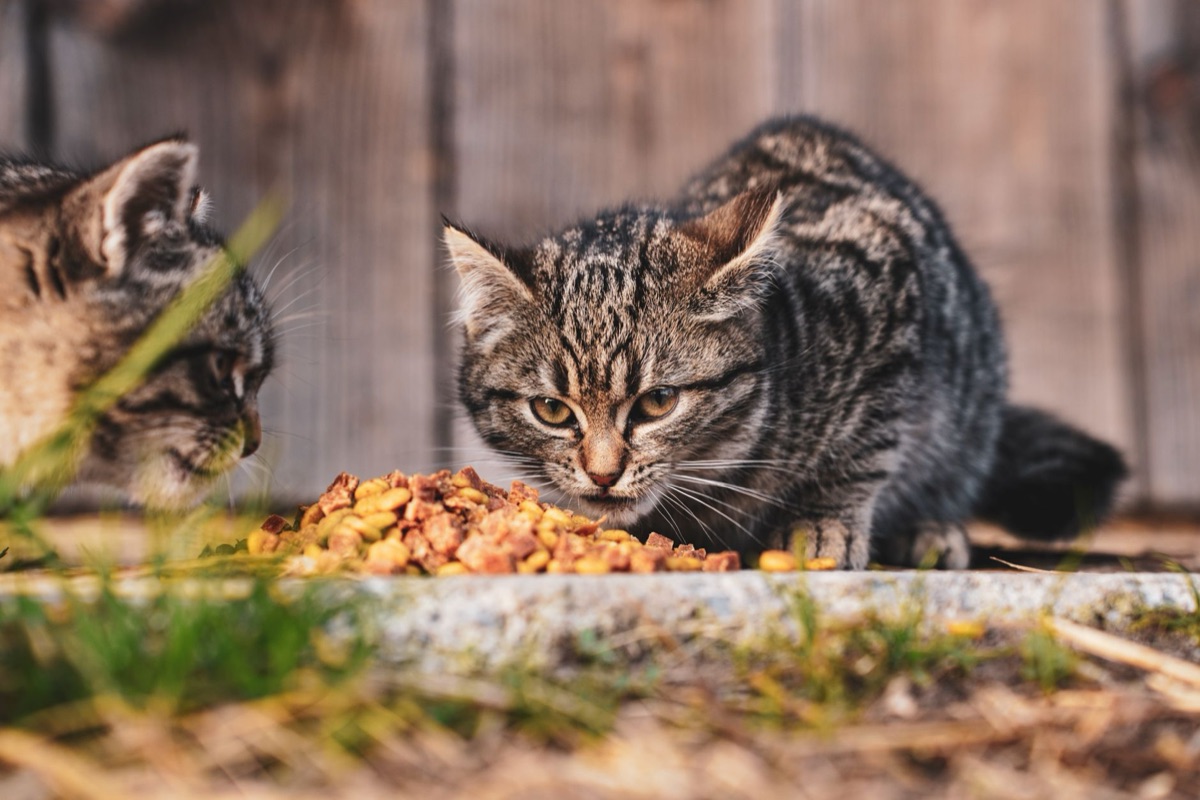
The kitchen floor is covered in a mix of two different kibble colors, and you are carefully measuring out tiny portions into a ceramic bowl. This careful ritual is necessary to prevent the sudden onset of diarrhea or refusal to eat.
To avoid upsetting a sensitive digestive system, follow this gradual mixing process:
- The Initial Mix: Start by mixing the new food with a small amount of the old food, such as 25% new and 75% old.
- The Balanced Phase (Days 1–3): Increase the new food proportion to 50% while decreasing the old food, closely monitoring for any signs of gas or soft stools.
- The Final Integration (Days 4–7): Move to a 75% new and 25% old ratio, eventually reaching a 100% new diet if no adverse reactions occur.
Following these steps ensures the gut adjusts, but what happens when the pet refuses the food entirely?
Common Mistakes to Avoid
A pet owner stands over a bowl, looking frustrated because their small pet refuses to touch the new, expensive food. This common scenario often stems from a lack of planning regarding palatability and scent.
One of the most frequent mistakes is an abrupt dietary shift. Sudden changes can cause severe gastrointestinal distress in small animals with sensitive tracts.
Another mistake is ignoring the moisture-to-calorie ratio; switching from a wet-heavy diet to a dry-heavy diet without adjusting water access can lead to dehydration.
Finally, many owners fail to account for the age of the pet, providing adult-formula food to juveniles that require higher protein and fat levels for growth. These oversights can lead to long-term health complications.

Summary of Dietary Considerations
The following table summarizes the key factors to keep in mind during your initial selection process.
| Factor | Consideration | Goal |
|---|---|---|
| Ingredient Order | First three ingredients | High-quality protein/fiber |
| Moisture Content | Dry vs. Wet | Proper hydration and stability |
| Transition Speed | Gradual mixing | Digestive health |
| Life Stage | Juvenile vs. Adult | Growth vs. Maintenance |
This guide is not intended for animals with pre-existing medical conditions or those requiring specialized prescription diets. If your pet has a diagnosed health issue, always consult a veterinarian before making dietary changes.
Related





Comments 0