Lifelong Commitment: Preparing for Your New Small Companion
Adopting a small pet is a lifelong commitment; this guide ensures you are fully prepared for the reality of pet ownership before the adoption day.
Before you bring a new companion home, you must match their biological needs to your daily routine, secure a long-term financial plan, and research the specific temperament of the species you choose.
* Match the pet's needs to your lifestyle compatibility. * Commit to the financial and time investment required for the pet's lifespan. * Understand the specific care requirements of the chosen species.

Why is preparation more important than the pet itself?
Late at night in a silent apartment, I stared at the empty cage and felt the heavy weight of exhaustion settling into my bones.
I remember standing in a pet store in downtown Seattle, looking at a tiny, energetic hamster in a glass enclosure. I thought, "This is easy; I just need a cage and some seeds." I didn't realize that the excitement of the purchase would quickly be eclipsed by the reality of a 24-hour care cycle.
The impulse to bring a pet home often overrides the practicalities of living with one. However, preparation is the difference between a happy home and a pet being returned to a shelter.
A lifestyle audit is the first step. You must honestly assess your daily availability versus the pet's activity needs. If you work ten-hour shifts, a highly social bird or a social rodent may suffer from loneliness.
Financial reality is another pillar. Beyond the initial adoption fee, you must budget for high-quality food, specialized enclosures, and unexpected veterinary visits. Small animals often require specialized care that can be surprisingly expensive.
Time commitment is often underestimated. Small pets still require daily interaction, cage cleaning, and enrichment, not just occasional feeding.
Finally, consider your emotional readiness. Are you prepared for the upsides and the inevitable challenges, such as late-night noises or the eventual loss of a pet?

Do I know exactly what I am adopting? A quiet afternoon in a sunlit living room is the perfect setting to sit down with a notebook and research. You shouldn't just pick an animal because it looks cute; you need to understand its biological blueprint.
A deep dive into the species is mandatory. You must research the specific needs of the chosen animal, including their average lifespan, noise levels, and exercise requirements. A guinea pig has very different social and space needs than a hermit crab.
Temperament matching is vital for household harmony. Consider how the pet will interact with existing household members, especially children or other pets. A rabbit might be too fragile for a toddler, while a ferret requires a different level of supervision.
Socialization needs also vary wildly. Some species are highly interactive and require hours of engagement, while others are more solitary. Understanding these social requirements prevents the pet from becoming stressed or withdrawn.
If you are looking at specific breeds or strains, research their known health predispositions. Some small animals are prone to specific genetic issues that could lead to high medical costs later in life.
How do I set up the perfect home base? The sound of a new cage being assembled in a quiet apartment can be quite therapeutic. However, if the enclosure is too small or poorly placed, that sense of peace will quickly vanish.
Habitat adequacy is the foundation of a healthy pet. Ensure the enclosure or cage meets the minimum size standards for the species. A common mistake is buying a cage that looks large but doesn't provide enough usable floor space for the animal to move naturally.
Supply procurement should happen before the pet arrives. You will need food bowls, appropriate bedding, hides, and enrichment tools. Having everything ready prevents the stress of a last-minute trip to the pet store while trying to settle a nervous new animal.
Environmental controls are critical for survival. You must address temperature, humidity, and safe zones specific to the pet's biology. For example, many small mammals require specific thermal gradients to regulate their body temperature.
Activity space is also a necessity. Provide enrichment opportunities beyond the main habitat area, such as secure playpens or climbing structures, to prevent boredom and destructive behaviors.
The health and wellness protocol
Walking into a veterinarian's office for the first time can feel overwhelming. It is much better to have a plan in place before you encounter a medical emergency.
Establishing a veterinary baseline is the first step. You should find a local veterinarian who specializes in exotic or small animals *before* you adopt. Not all vets are equipped to handle everything from reptiles to rodents.
Diet specificity is a major factor in long-term health. You must detail proper nutrition—knowing exactly what to feed, when to feed, and why certain ingredients are necessary. Improper diet is one of the leading causes of health issues in small pets.
Preventive care is your best defense against illness. Discuss the importance of parasite control and scheduled check-ups with your vet. Regular monitoring can catch subtle health shifts before they become life-threatening.
Lastly, do not overlook behavioral health. Mental stimulation is just as important as physical care. A pet that is physically healthy but mentally understimulated can develop harmful behaviors like chewing or aggression.
Beyond the basics: Potential pitfalls to avoid
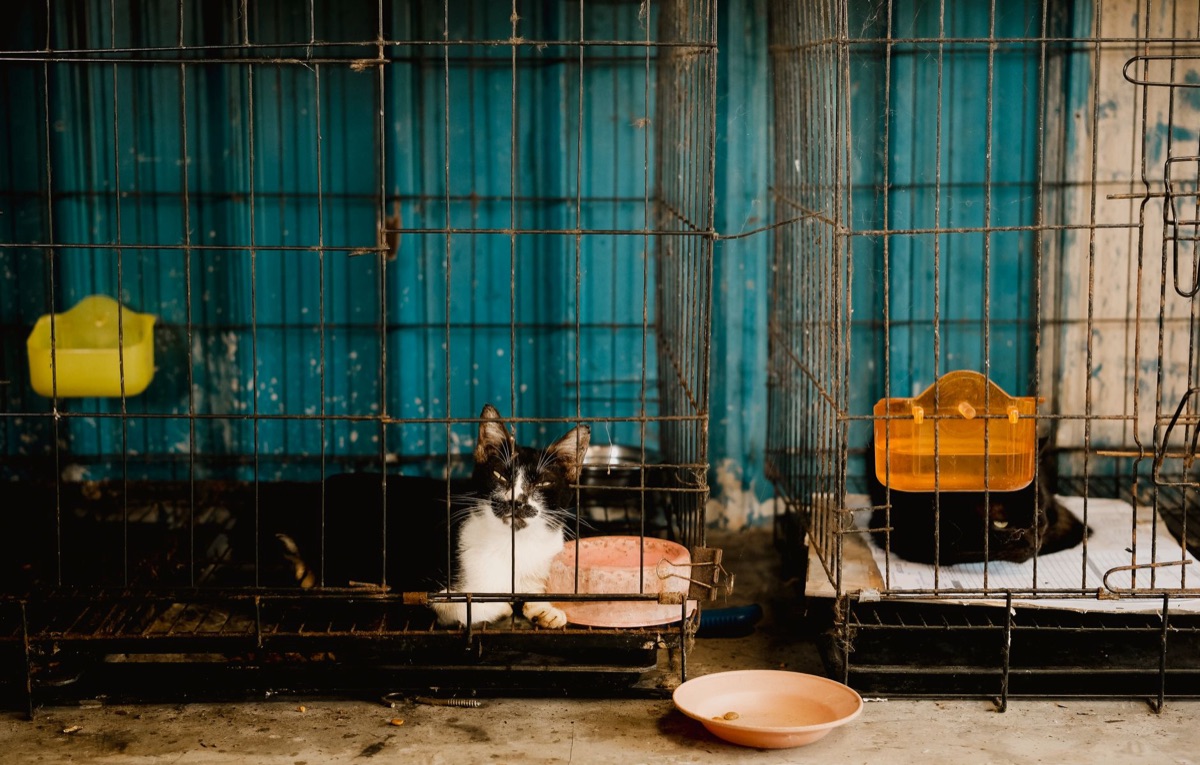
A sudden, frantic phone call to a vet at 2:00 AM is a situation no owner wants to face. Most of these crises could have been prevented with better initial knowledge.
One of the most common owner mistakes is insufficient exercise or improper introduction to the environment. Moving too fast can cause extreme stress, while too little movement can lead to obesity and lethargy.
You must also learn to recognize the signs of distress. Small animals are often prey animals, meaning they are experts at hiding illness. Learning the subtle signs of unhappiness or sickness is a vital skill.
Responsible ownership means recognizing the commitment to lifelong care. This includes being prepared for life changes, such as moving to a new house or changes in family structure, which may affect your ability to provide care.
| Category | Essential Check | Why It Matters |
|---|---|---|
| Lifestyle | Daily Schedule | Matches energy levels to availability |
| Financial | Monthly Budget | Covers food, bedding, and medical |
| Space | Minimum Dimensions | Prevents stunted growth and stress |
| Knowledge | Species Research | Prevents accidental harm from improper care |
Common Mistakes to Avoid 1. Underestimating Lifespan: Choosing a pet based on a whim without realizing they may live 10+ years. standing 2. Incorrect Habitat Size: Assuming a small animal only needs a small space. 3. Neglecting Enrichment: Forgetting that mental stimulation is a biological need. 4. Inadequate Quarantine: Failing to isolate a new pet from existing pets initially.
Final Thoughts
Choosing a small companion is an exciting journey, but it requires a foundation of respect for the animal's natural needs. By checking your lifestyle, budget, and knowledge before you commit, you ensure a lifetime of successful companionship.
*This article is for informational purposes only and does not constitute veterinary advice. Always consult a professional veterinarian regarding the health and care of your pets.*





Comments 0