Small Pet Care: 5 Essential Seasonal Health Management Tips
"Tiny bodies react to the slightest breeze, making seasonal transitions the greatest challenge for small pet owners."
Mastering the art of seasonal management means moving from reacting to illness to proactively controlling the micro-climates your small pets inhabit. By stabilizing temperature, humidity, and bedding, you can prevent the metabolic stress that often leads to sudden health declines.
* Maintain stable micro-climates: Small mammals, generally defined as those weighing less than 5 kilograms (11 lb), require consistent temperature ranges to prevent metabolic stress. * Seasonal hygiene shifts: Focus on humidity control in summer to prevent mold and warmth management in winter to prevent dehydration. * Monitor biological cycles: Be aware of seasonal breeding urges and appetite changes that fluctuate with the weather.

How to Manage Small Pets' Health Through Seasonal Changes?
The sun hits the living room window at 2:00 PM on a Tuesday in July 2026, and the sudden warmth makes the rabbit's enclosure feel like an oven. You check the thermometer, realizing the temperature has jumped ten degrees in an hour.
When we talk about small pets, we are generally referring to mammals weighing less than 5 kilograms (11 lb). Because of this small body mass, these animals have a much higher surface-area-to-volume ratio than larger dogs or cats.
This means they lose heat much faster in the winter and absorb heat much faster in the summer. A sudden shift in the room temperature can cause a massive spike in their metabolic rate or a dangerous drop in body temperature.
The goal of a seasonal routine is to move from reactive care—treating a sick animal—to proactive environmental management. Instead of waiting for a pet to show signs of heatstroke or lethness, you create a stable habitat that absorbs the shocks of the outside world.
But managing temperature is only half the battle.
Summer Routine: Preventing Heatstroke and Humidity Issues
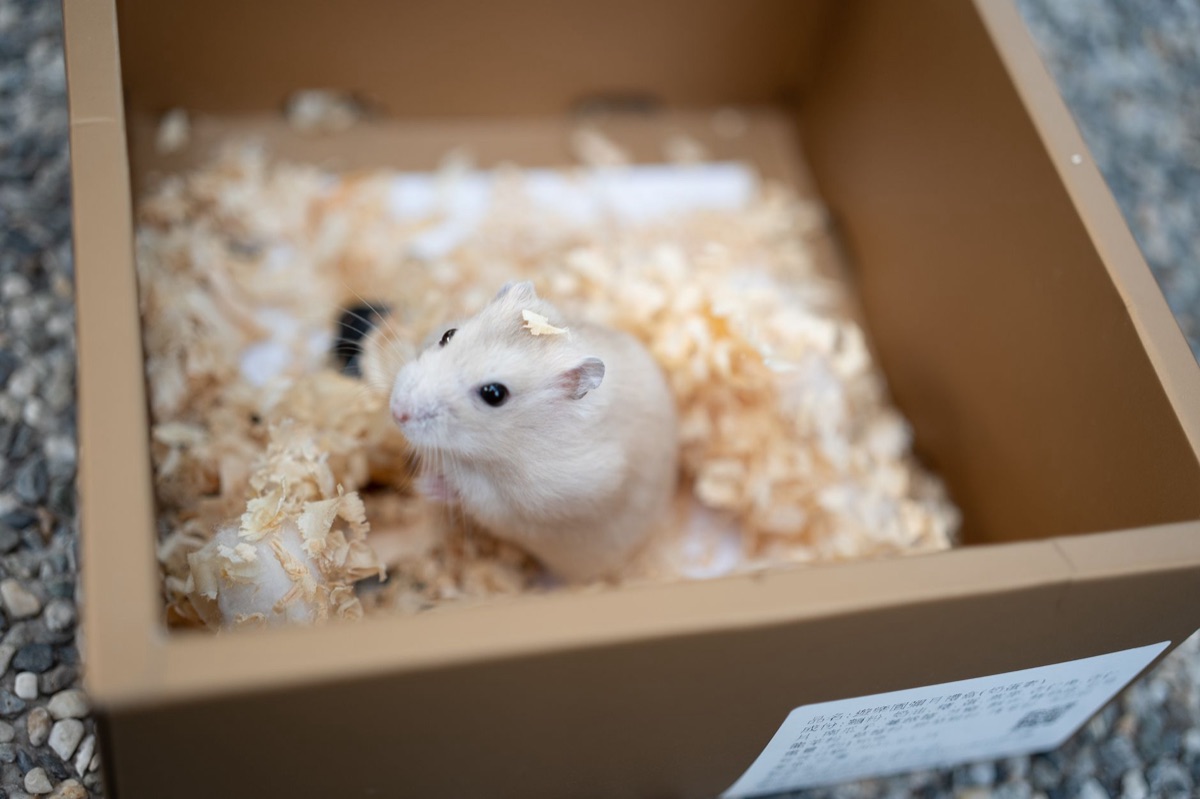
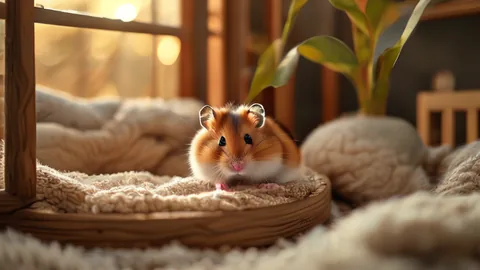
The hum of the air conditioner fills the house at 3:00 PM on a sweltering afternoon in August 2025. You notice the bedding in the hamster cage feels slightly damp to the touch.
In the summer, the primary enemy is the combination of heat and high humidity. To keep your small pets safe, try to keep their enclosures between 20°C–26°C (68°F–79°F). If the room climbs above these levels, the animal's ability to thermoregulate becomes strained.
High humidity is a silent threat. It can lead to mold growth in bedding, which causes respiratory issues, or dampness that irritates the skin. To combat this, use ceramic water bowls or drip-resistant bottles to ensure constant access to cool, fresh water.
Always ensure adequate ventilation, but be careful: placing a cage directly in the path of an air conditioner can cause "thermal shock." The airflow should circulate the room, not blast the animal directly.
If you master the air, you still have to master the ground they walk on.
Winter Routine: Maintaining Warmth and Metabolic Health
The heater clicks on with a metallic snap at 6:00 AM on a freezing January morning in 2026. You look at the guinea pig, who is burrowing deeper than usual into a pile of fleece.
In the winter, the danger shifts from overheating to dehydration and cold stress. Instead of using direct heat sources like heating pads—which can cause localized overheating or burns—focus on insulation.
Use thick bedding, such as fleece or compressed paper, to allow the animal to create its own micro-climate.
Avoid the danger of "thermal shock." This happens when a pet is moved from a warm indoor environment to a cold porch or car, or vice versa. This sudden shift can be fatal for very small mammals.
Keep an eye on activity levels; if a pet becomes unusually lethargic or stops grooming, they may be struggling with the cold. Also, watch for seasonal appetite changes. Some animals may eat more to maintain body heat, while others may become less active, requiring a careful eye on their weight.
The transition between these extremes is where most owners lose their footing.
Step-by-Step: The Seasonal Transition Checklist
The calendar flips to March 2026, and the house feels different. You stand in the middle of the living room at 9:00 AM with a notebook, ready to audit the habitat for the new season.
Follow these steps whenever the seasons shift to ensure your small pet remains stable.
- Step s1: Environmental Audit: Check your thermostat settings and use a hygrometer to monitor humidity. Aim for a consistent range between 40% and 60% humidity.
- Step 2: Bedding Refresh: Swap out thin summer bedding for thicker, more insulating winter materials, or vice versa.
- Step 3: Diet Adjustment: Depending on the animal's activity level, you may need to adjust caloric intake or feeding frequency to manage weight.
- Step 4: Health Check: Perform a physical inspection. In winter, check paws for dryness or cracks; in summer, check skin for dampness or rashes.
| Season | Primary Risk | Key Tool | Bedding Strategy |
|---|---|---|---|
| Summer | Heatstroke / Mold | Dehumidifier / Fan | Light, breathable materials |
| Winter | Dehydration / Cold Stress | Thick Fleece / Paper | Heavy, insulating layers |
When I first started keeping small mammals, I thought a warm room was enough. I quickly learned that a room at 75°F can feel like a desert to some and a sauna to others.
Common Mistakes to Avoid in Seasonal Care
The heater is humming at midnight, and the cage is tucked in a corner. You realize the heating pad is touching the plastic base of the enclosure, and the air feels unnaturally dry.
One of the biggest mistakes is using heating pads directly on cages. This creates a risk of burns and can cause dangerous localized overheating. Another common error is neglecting humidity.
Many owners focus only on temperature, forgetting that "warm" often means "dangerously humid" for small rodents, which can lead to respiratory distress.
Never place cages directly in the path of forced air from AC units or heaters. This creates constant temperature swings. Finally, do not ignore subtle signs. A pet that seems to be "just sleeping" more than usual during a season might actually be showing signs of heat or cold stress.
But temperature is just the physical environment; there is also the biological environment to consider.
Advanced Tips: Managing Biological Cycles
The evening light fades at 7:30 PM, and you notice the rabbit is much more active and restless than usual. You remember reading about seasonal cycles.
Understanding the biology of your pet is crucial for managing their behavior. Many small mammals are seasonally polyestrous, meaning they come into heat every 30 to 90 days during the year. This can lead to increased aggression, restlessness, or searching behaviors.
Nesting instincts also play a role. Providing appropriate materials—like compressed paper in the summer or thicker hay in the winter—can help satisfy these natural urges. For those with pregnant females, be extra vigilant.
Since gestation can last around 110 days, the physical stress of a temperature shift can impact the health of both the mother and the litter.




Comments 0