Aquarium Best Practices: Why 20+ Gallons Are Ideal for Fish
This article is about Practices. "The smallest tank is often the biggest mistake a new hobbyist can make."
Starting a freshwater aquarium requires more than just a glass box and some water; it requires a biological ecosystem that you must nurture before a single fish enters the scene.
For beginners, the secret to success lies in choosing a larger volume of water to buffer against chemical fluctuations, selecting hardy species, and mastering the nitrogen cycle.
* Prioritize volume: Larger tanks are actually easier to maintain because water chemistry stays more stable. * Cycle first: Never add fish on day one; you must wait for beneficial bacteria to grow. * Equipment matters: Filtration and heating are non-negotiable for a healthy environment.
Why is a large tank better for beginners?
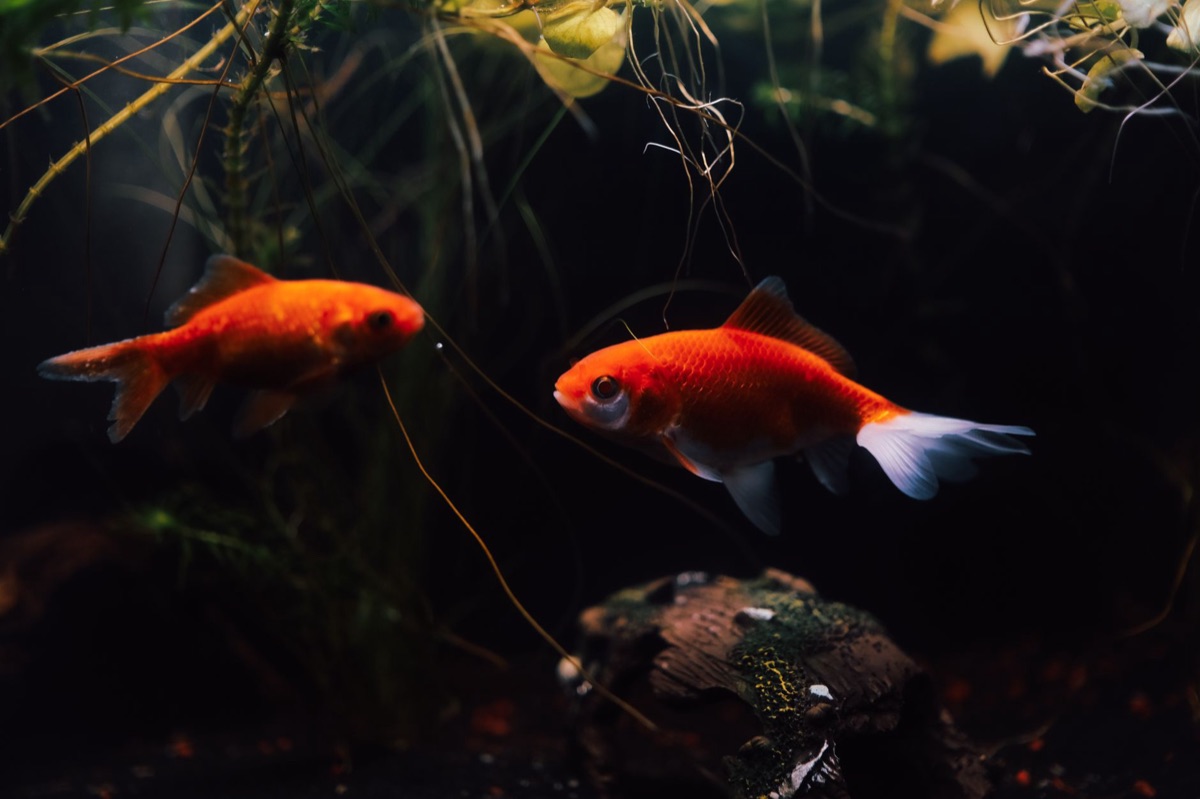
I remember standing in my living room last year, staring at a tiny, five-gallon desktop tank I thought would be "manage_able." Within forty-eight hours, the water turned cloudy, the ammonia spiked, and I felt like a failure as I watched my single goldfish struggle to swim.
According to the American Pet Products Association in 2025, Gen Z is fueling growth in the reptile hobby, which often involves managing different tank volumes.
Beginners often gravitate toward small tanks because they seem easier to clean and take up less space, but small volumes of water are incredibly volatile. A tiny change in temperature or a single heavy feeding can cause a total collapse of the water quality, leading to rapid fish loss.
According to the Fish Keeping Institute, a larger volume of water provides a much more stable environment for biological processes. A tank of at least 20 to 30 gallons offers a buffer that prevents sudden spikes in toxic nitrogen levels.
This stability makes it much easier to manage the health of your pets compared to a small, cramped vessel.
| Feature | Small Tank (Under 10 Gallons) | Large Tank (20+ Gallons) |
|---|---|---|
| Water Stability | Very Low (Fluctuates rapidly) | High (Changes happen slowly) |
| Maintenance Frequency | High (Frequent water changes) | Moderate (More forgiving) |
| Stocking Options | Very Limited | Diverse and healthy |
| Biological Buffer | Minimal | Significant |
How do I prepare the water for my first fish?
The morning sun hit my kitchen counter, illuminating the swirling particles in my new setup as I realized I had no idea if the water was actually safe. I had the plants, the gravel, and the light, but the water looked deceptively clear despite the invisible dangers lurking within.
The most critical step in aquarium ownership is the nitrogen cycle, a process where beneficial bacteria convert toxic ammonia into safer nitrates. You cannot simply fill a tank and add fish immediately; you must establish this biological colony first.
- Set up the hardware: Place your tank, filter, heater, and substrate. 2. Fill and prime: Add dechlorinated water and turn on all equipment. 3. Introduce a nitrogen source: Add a small amount of fish food or pure ammonia to start the process. 4. Monitor levels: Use a liquid test kit to track ammonia, nitrite, and nitrate levels. 5. Wait for stability: The cycle is complete when ammonia and nitrites read zero.
This process typically takes several weeks, and you must wait for the beneficial bacteria colonies to stabilize before introducing livestock. Attempting to skip this step is the primary cause of "new tank syndrome," where fish die shortly after introduction due to ammonia poisoning.
What equipment is essential for a healthy habitat?
Walking into a local pet supply shop for the first time can be overwhelming, with aisles of colorful lights and bubbling filters stretching in every direction.
I spent an hour just staring at the different types of filters, wondering if a quiet one was worth the extra cost or if a loud one would be better for the ecosystem.
A successful setup requires a specific set of tools to mimic a natural environment and keep the water clean. You need filtration to remove debris, a heater to maintain constant temperature, and a light source for plants and visibility.
* Filtration System: This is the heart of the tank, responsible for mechanical, chemical, and biological filtration. * Heater and Thermometer: Most tropical fish require a stable temperature between 75°F and 80°F. * Substrate and Decor: Gravel or sand provides a home for bacteria, while plants and rocks offer hiding spots. * Water Conditioner: This is vital to remove chlorine and chloramines from tap water.
It is important to note that while equipment is vital, it is not a substitute for biological health; a filter cannot fix a tank that hasn't been cycled.

How do I choose the right fish for my tank?
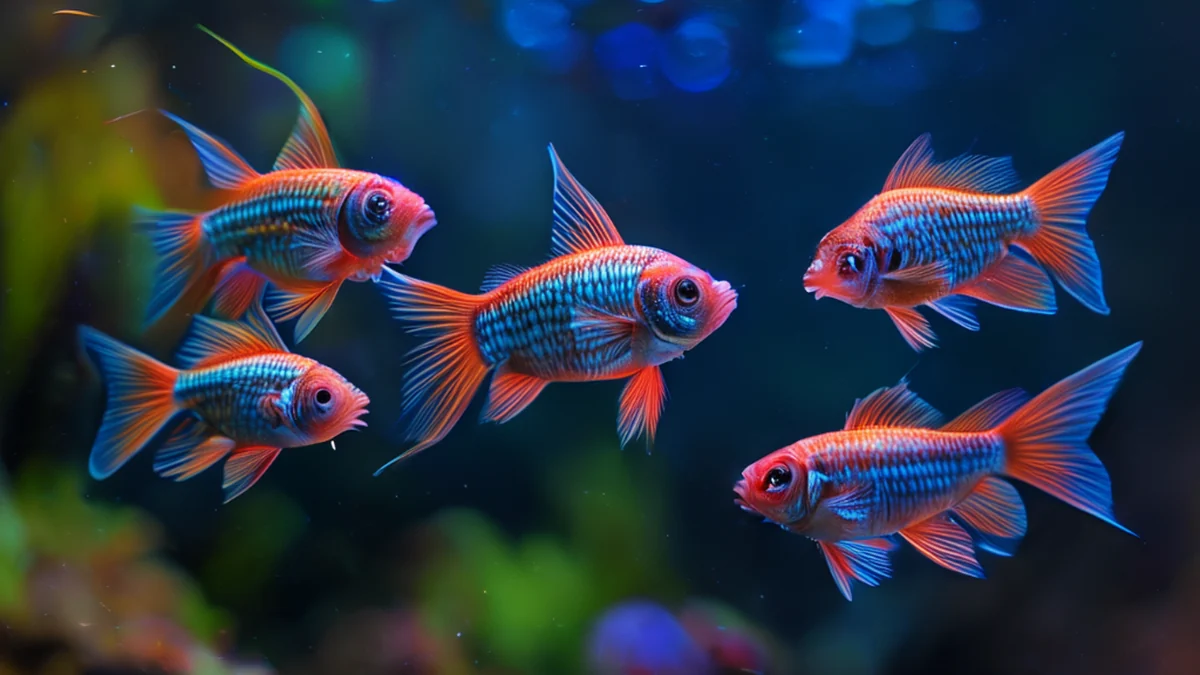
I sat on my floor, looking at a brightly colored neon tetra in a small plastic bag, wondering if its tiny body would survive the night in its new home. The contrast between its vibrant fins and the clear water made me realize how much responsibility I was actually taking on.
Choosing the right fish involves matching the species to your tank size, temperament, and water requirements. You should never put a fish in a tank that is too small for its adult size or with tank mates that will harass it.
A common mistake is buying fish based solely on looks without considering their biological needs. For example, a single goldfish requires much more space and filtration than a school of small tetras.
Always research the adult size, social needs, and temperature requirements of a species before bringing it home.
| Fish Type | Typical Size | Social Needs | Difficulty for Beginners |
|---|---|---|---|
| Neon Tetras | Small | Schooling | Moderate |
| Guppies | Small | Social | Easy |
| Goldfish | Large | Variable | Moderate |
| Angelfish | Medium/Large | Pair/Trio | Advanced |
What are the common mistakes to avoid?
Late at night, the soft hum of the filter was the only sound in my quiet apartment as I realized I had overfed my fish again. The leftover food was sinking into the gravel, creating a cloudy mess that I knew would soon turn into a chemical nightmare.
As noted by Animal Care and Service Workers in 2018, the average salary for an aquarist was just under $24,000 a year.
To keep a tank healthy, you must avoid the pitfalls of overfeeding, overstocking, and improper maintenance. These mistakes lead to high waste levels, which cause disease and death.
* Overfeeding: Excess food decomposes and spikes ammonia levels. * Overstocking: Too many fish lead to stress and rapid waste buildup. * Inadequate Water Changes: Failing to remove nitrates can stunt growth and weaken immunity. * Ignoring Temperature Fluctuations: Rapid changes can shock the fish's system.
Feeding should be done sparingly, only giving the fish what they can consume in a minute or two. Regular water changes, typically 10% to 25% weekly, are necessary to remove nitrates that the filter cannot process.
How do I maintain a consistent environment?
The sight of a single dead leaf floating in the corner of the tank used to bother me, but now I see it as a sign of a living system. I learned that constant perfection isn't the goal; rather, it is the management of gradual changes.
Maintenance is about consistency rather than intensity. A routine involving weekly water changes and monthly equipment inspections will prevent the sudden crashes that kill fish.
- Weekly: Perform a partial water change and clean the glass. 2. Bi-weekly: Rinse filter media in used tank water (never tap water). 3. Monthly: Check all equipment like heaters and lights for proper function. 4. As needed: Vacuum the substrate to remove trapped waste.
When cleaning filter media, always use water from the aquarium itself rather than tap water. Using tap water can kill the beneficial bacteria you worked so hard to grow during the cycling process.
This type of hobby is not for everyone, especially those who prefer "set it and forget it" decorations. It requires active participation and a willingness to learn about biology and chemistry.
When I tried the steps in order, the second one is where I paused longest.
However, this does not apply in every situation.
The best way to start is to set up the tank and allow it to cycle before adding fish. This process involves establishing beneficial bacteria to manage ammonia and nitrite levels.
Related




Comments 0