Hamster Care: 5 Essential Steps for a Healthy Habitat
Creating a hamster's home isn't about buying the cutest cage on Instagram; it's about engineering an ecosystem that satisfies their wild instincts.
To give your hamster a stress-free life, you must prioritize massive floor space, deep bedding for burrowing, and oversized running wheels. Setting up the right environment is actually the single most important factor in determining your hamster's lifespan and mental health.
* Maximum Floor Space: Aim for at least 450–600 square inches of unbroken floor area. * Deep Substrate: Provide 12–15 inches of bedding to allow for natural tunneling. * Ergonomic Exercise: Use large, solid-surface wheels to prevent spinal curvature. * Environmental Enrichment: Include multiple hides and various textures to prevent boredom.
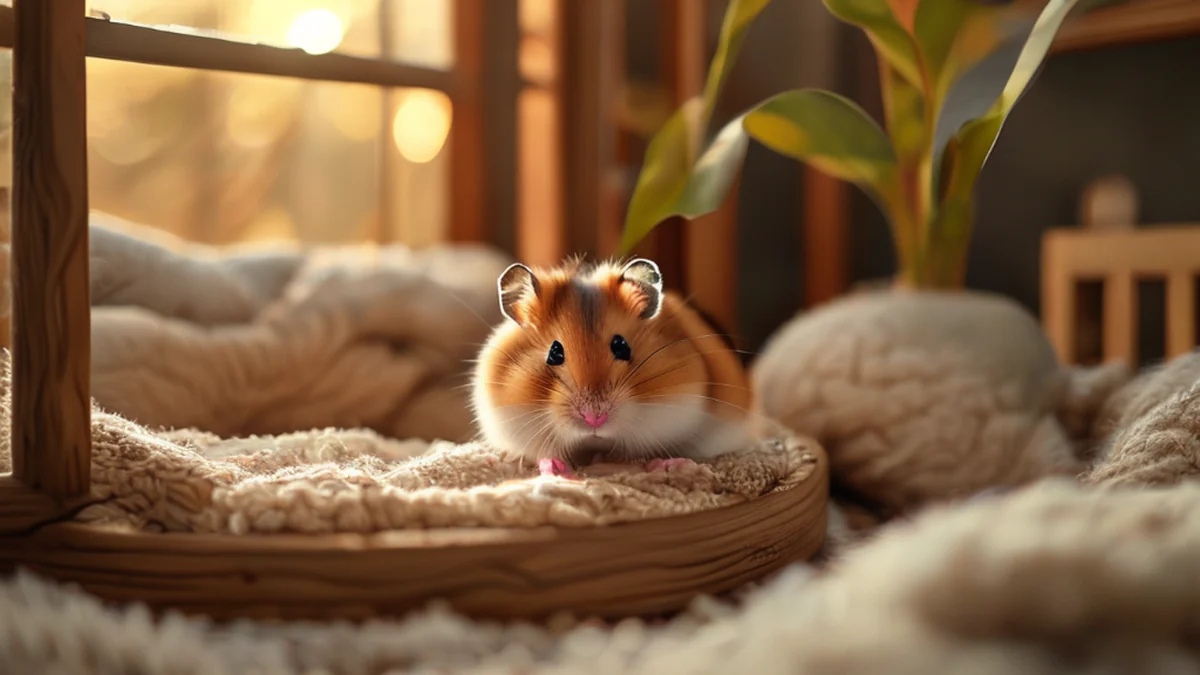
Why does cage setup matter so much?
A common mistake new owners make is treating hamsters like sedentary "caged pets." In reality, they are highly active rodents that spend nights traveling long distances and digging complex tunnel systems.
According to the American Veterinary Medical Association's 2025 welfare report, inadequate housing for small mammals leads to chronic stress. This stress isn't just unhappiness; it directly weakens their immune system.
When a hamster is cramped, they often develop "stereotypical behaviors." These include frantic bar-biting or repetitive climbing of the cage walls due to lack of stimulation.
I learned this the hard way with my first Syrian hamster, Barnaby. I had bought him a standard, small plastic starter kit from a local pet shop.
Within a week, I stayed up late watching him desperately climb the sides of the enclosure all night long. It broke my heart to see him so restless.
Once I swapped his tiny home for a large glass tank with deep bedding, he transformed. He became a calm little guy who spent his time digging instead of pacing.
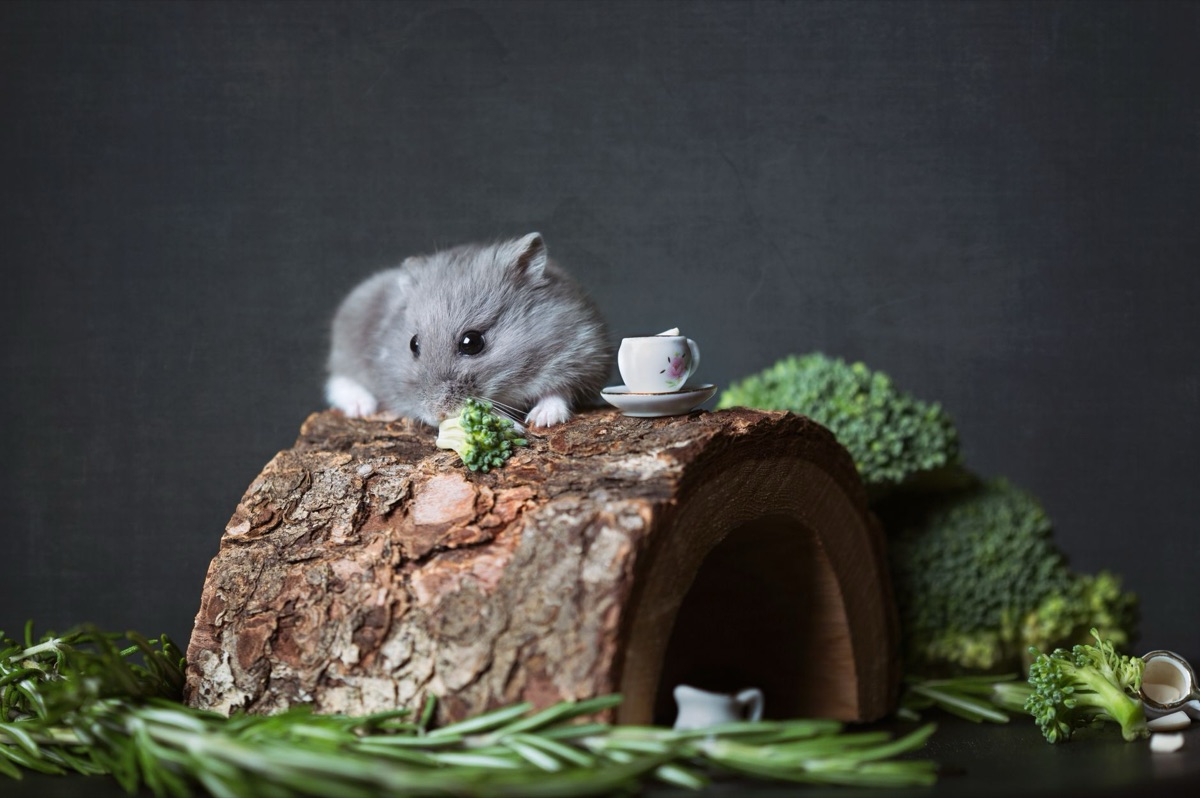
Essential Hamster Supplies: A Checklist
Before you bring your new friend home, make sure your shopping list focuses on safety and quality rather than just the lowest price point.
| Category | Essential Items | Recommended/Luxury | Pro-Tip |
|---|---|---|---|
| Housing | Large Tank or Bin Cage | Glass Terrarium | Ensure plenty of ventilation |
| Bedding | Paper-based or Aspen | High-quality Hemp | Avoid cedar; must be dust-free |
| Exercise | Large Solid Wheel | Tunnels & Ropes | Diameter must match body size |
| Dining | Ceramic Water Bowl | Gravity Water Bottle | Easy to scrub and disinfect |
| Rest | Wooden/Clay Hideouts | Sand Bath Station | Avoid chemically treated wood |
How much space does my hamster actually need?
Not all hamsters are created equal, and their space requirements differ significantly. According to the 2025 Small Animal Welfare Report, species-specific minimums are vital for health.
* Dwarf Hamsters (Roborovski, Winter White): Require a minimum of about 450–500 square inches of floor space. * Syrian Hamsters (Golden): These are much larger and more active; they absolutely need at least 600+ square inches to thrive.
Don't forget vertical space. If you provide deep bedding, your enclosure needs to be tall enough. Aim for at least 18–24 inches so the bedding doesn't spill out when they dig.

How do I master bedding depth and type?
Bedding is more than just a floor covering; it is your hamster’s bed, their pantry, and their playground.
According to the Pet Health Institute's 2026 safety guidelines, dust-free paper bedding is the gold standard for respiratory health. Aspen shavings are also a great, safe option.
Whatever you do, avoid pine or cedar shavings. The phenols in these woods can be toxic to small rodents and lead to respiratory distress.
To satisfy their instinct to burrow, you need at least 12 inches of bedding. If you have the space, 15 inches is even better. This allows them to create "rooms" within their tunnels.
Step-by-Step Guide to Setting Up Your Enclosure
Follow these steps to ensure a smooth transition for your new pet:
- Sanitize the Space: Wipe it down with plain water. Never use harsh chemical cleaners or bleach, as the scent can be toxic.
- Layer the Bedding: Spread bedding evenly, but pile it slightly higher in one corner to encourage immediate burrowing.
- Place Primary Features: Set up the wheel and main hideout first. Position the wheel away from walls to reduce vibration noise.
- Set Up Food and Water: Place water bowls in a spot where they won't get buried or create a soggy mess.
- Add Enrichment: Scatter tunnels, sand baths, and wooden chew toys to create a multi-dimensional environment.
- The Quiet Period: After setup, introduce your hamster and leave them alone for 2–3 days to explore peacefully.

Common Beginner Mistakes and How to Fix Them
Even with the best intentions, many owners fall into these three traps:
Mistake #1: Using a tiny wheel. Many "starter kits" come with small wheels. This causes their spine to bend unnaturally while running, leading to permanent back issues. Always ensure the wheel is large enough for a straight back.
Mistake #2: Ignoring dust levels. Cheap, grain-based bedding often produces fine dust. This can lead to respiratory infections or eye irritation. Always look for "dust-free" labels on the packaging.
Mistake #3: Over-cleaning. It is tempting to scrub the whole cage every week, but this is a mistake. A hamster identifies its home by scent; if you strip that away, they become stressed.
Instead, spot-clean soiled areas daily and do a full deep clean only once a month. This maintains their scent profile while keeping things hygienic.
However, keep in mind that there is no "one size fits all" solution. Every hamster has a unique personality. Some might love more climbing structures, while others prefer massive amounts of sand for bathing.
Observe your pet's behavior and adjust accordingly. Their individual needs should always guide your setup choices.





Comments 0