Contamination Risks: 6 percent Safe pet food buying guide
"The safety of what we put in our pets' bowls is a primary concern for every owner, yet the global supply chain presents hidden risks."
A safe pet food buying guide requires understanding how contaminated ingredients enter the market and how to verify the integrity of your pet's diet. This guide covers identifying high-risk ingredients, understanding regulatory oversight, and managing domestic food safety.
While recalled products might represent a small percentage of available food, the impact of contamination can be widespread.
How to identify global food contamination risks?
An owner stands in a pet supply aisle, scanning labels for ingredients like wheat gluten and corn meal. Understanding these risks involves recognizing how additives can be compromised during mass production.
The complexity of global manufacturing can lead to significant vulnerabilities. For example, the FDA once prohibited the import of wheat gluten from a specific Chinese company due to contamination concerns. This risk often extends to dry pet foods that utilize these specific ingredients.
Identifying these potential sources helps owners make more informed decisions about the products they bring home.
- Monitor international food safety alerts.
- Track recall notices from regulatory agencies.
- Evaluate the sourcing origins of raw materials.
How to vet pet food brands? Safe pet food buying guide
Sitting at my kitchen table late at night, I rubbed my tired eyes while scanning a brand's history for any mention of contamination.
A veterinarian reviews clinical findings related to a recent batch of tainted pet food. Vetting a brand requires looking beyond the marketing to understand the manufacturer's history and the quality of their supply chain.

Regulatory oversight varies significantly by region. In 2006, the Chinese State Administration for Industry and Commerce closed 152,000 unlicensed food manufacturers and retailers for producing fraudulent or low-quality goods.
When evaluating brands, consider how they manage their raw material sourcing. A brand that maintains transparency regarding its suppliers is often more reliable than one with opaque sourcing methods.
In this sequence, the second step is the most extensive.
Ensuring pet food supply chain integrity
A logistics manager inspects a shipping container filled with bulk grain destined for a pet food factory. Ensuring the integrity of the supply chain means understanding the movement of ingredients from farm to bowl.
As stated by the FDA, Banfield's veterinarians treat an estimated 6 percent of the nation's cats and dogs, and their findings provide "the most authoritative picture of the harm done to the tainted cat and dog food," according to the FDA.
The Chinese State Administration for Industry and Commerce states that it closed 152,000 unlicensed food manufacturers and retailers in 2006 for making fraudulent or low-quality products, according to the Chinese State Administration.
Contamination can occur at various stages of production or transit. In one instance, the FDA found that of 750 samples of wheat gluten and products containing wheat gluten, 330 tested positive for melamine contamination.

This highlights how a single ingredient can compromise entire batches across different brands. Smart consumers look for companies that implement rigorous testing protocols for these common ingredients.
Smart pet food choice through ingredient awareness
A pet owner carefully reads the fine print on a bag of dry kibble. Making a smart pet food choice involves knowing which ingredients are commonly subject to testing and scrutiny.
Precautionary testing is a standard tool for food safety. For instance, the FDA has previously tested six common food ingredients—including wheat gluten, corn gluten, cornmeal, soy protein, rice bran, and rice protein concentrate—as a precaution.
Using this knowledge, owners can prioritize brands that demonstrate proactive testing for these specific components.
Avoid contaminated food through proactive monitoring
A family checks the expiration dates and ingredient lists on the food currently in their pantry. Avoiding contaminated food requires constant vigilance and staying informed about active recalls.
Safety officials have noted that contaminated food can remain on store shelves for extended periods after a problem is identified. It is vital to re-check the food you currently have in your possession against recent recall notices.
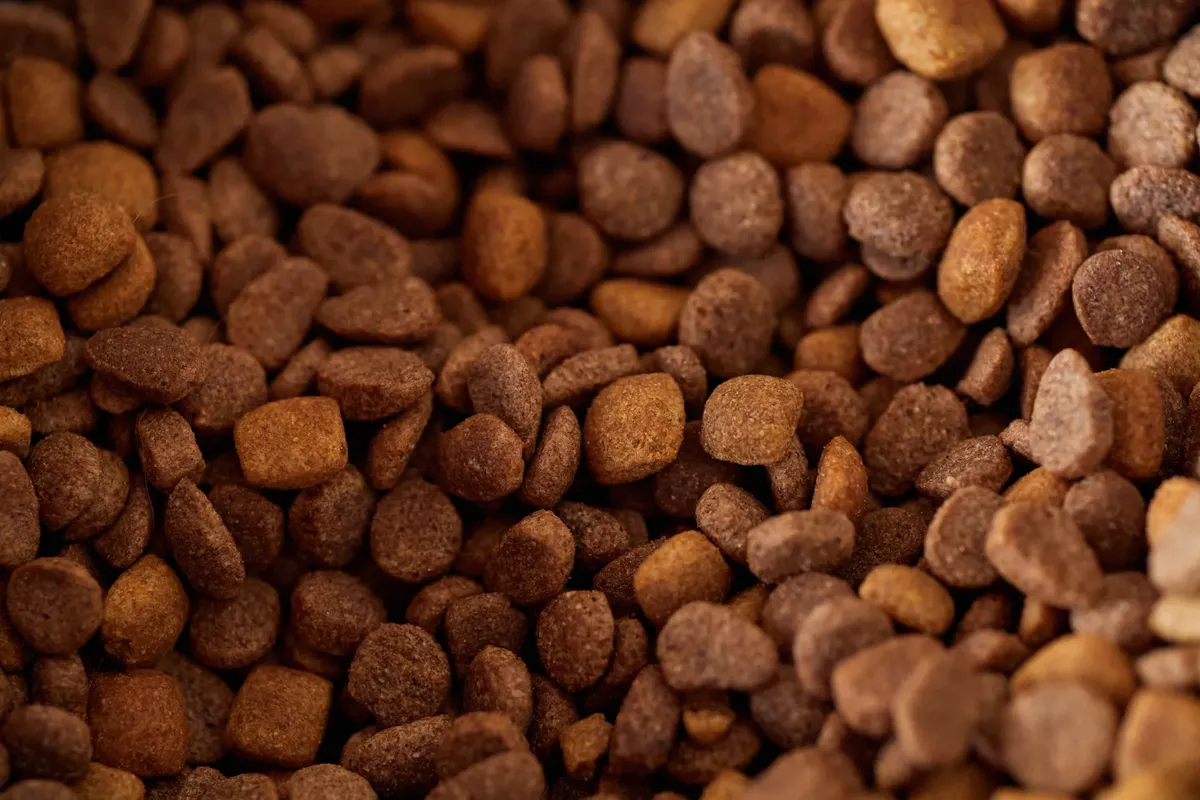
Since many recalls are voluntary, the companies involved may not always be named immediately, making regular news monitoring essential.
| Ingredient Type | Example of Contaminant Risk |
|---|---|
| Wheat Gluten | Melamine |
| Cornmeal/Soy Protein | Variable contaminants |
I always double-check the specific ingredient list against recent health alerts whenever I purchase a new brand.
A limitation of these strategies is that the specific scope of contamination can change rapidly based on new laboratory findings.
The subject here is Safe pet food buying guide.
The same subject is also called Best pet food brands.
The same subject is also called Pet food safety tips.
Related
- Pet insurance purpose guide: Manage financial burden of care
- Pet food recall lessons: Why monitoring health is critical
What conditions signal potential safety issues in pet food? Potential safety issues arise when ingredients undergo compromised processes during mass production. Owners should recognize when additives might be compromised during manufacturing stages. This recognition helps owners understand the hidden risks within the global supply chain affecting pets' safety.
How does regulatory action affect pet food safety? Regulatory actions demonstrate the scope of food safety concerns across regions. For instance, the closure of unlicensed food manufacturers by Chinese authorities shows past enforcement actions. These actions highlight the need for owners to evaluate the sourcing origins of raw materials to ensure pets receive safe food.
When considering the safety of pets, transparency from brands is a key indicator. A brand that openly discusses its supplier management practices suggests a higher commitment to pet safety standards. Owners should use this information when comparing different pet food brands.




Comments 0