Top 5 Safe Snacks for Hamsters: What to Feed Your Pet
"Stop guessing! Learn the precise, species-specific feeding blueprint for your hamster to ensure peak health."
To keep your hamster healthy, you must provide a balanced diet consisting of high-quality pellets as a base, supplemented with a controlled amount of seeds and fresh vegetables.
Key Takeaways * Base Nutrition: Use high-quality pellets to ensure consistent vitamin and mineral intake. * Species Specificity: Larger Syrian hamsters and tiny Roborovski hamsters require different caloric densities.
* The 15% Rule: Limit high-fat seeds and sugary snacks to no more than 15% of their total daily intake. * Freshness Matters: Incorporate small amounts of fresh, safe vegetables daily for essential hydration and micronutrients.

Why does my hamster's species change what they should eat?
I remember sitting on my living room floor last Tuesday, watching my tiny Roborovski hamster zoom through a maze of cardboard tubes. He looked like a little blur of motion, and I realized then that I couldn't possibly feed him the same heavy, seed-laden mix I gave my much larger Syrian hamster.
Size dictates energy requirements. The physical differences between species are massive. For instance, members of the *Phodopus* genus are quite small, with bodies measuring only 5.5 to 10.5 cm (2.2 to 4.1 in) long.
In contrast, the European hamster (*Cricetus cricetus*) is a giant of the hamster world, reaching up to 34 cm (13 in) in length, not including its short tail.
Because of these size discrepancies, a "scoop" of food for a tiny dwarf hamster might be an entire day's worth of calories, whereas a Syrian hamster might need significantly more volume to maintain its weight. You must choose a diet that supports their specific metabolic rate.
But choosing the right volume is only half the battle; the actual composition of that volume is where most owners stumble.
How do I build a balanced daily meal plan?
At dawn, I stand by the window and feel the morning chill while carefully pouring seeds into a ceramic bowl.
The sun is just beginning to peek through my blinds at 6:00 AM, and I am carefully weighing out a small ceramic bowl of food for my pet. I've learned that if I don't use a digital scale, I often end up overestimating how much energy my hamster actually needs for the day.
According to the European Pet Food Federation, a minimum of 18% is required for certain nutritional standards.
I don't just pour a handful of colorful seeds into the cage; I follow a specific ratio to ensure my hamster doesn't pick out only the "tasty" bits and leave the nutrition behind.
A successful diet is built on three distinct pillars:
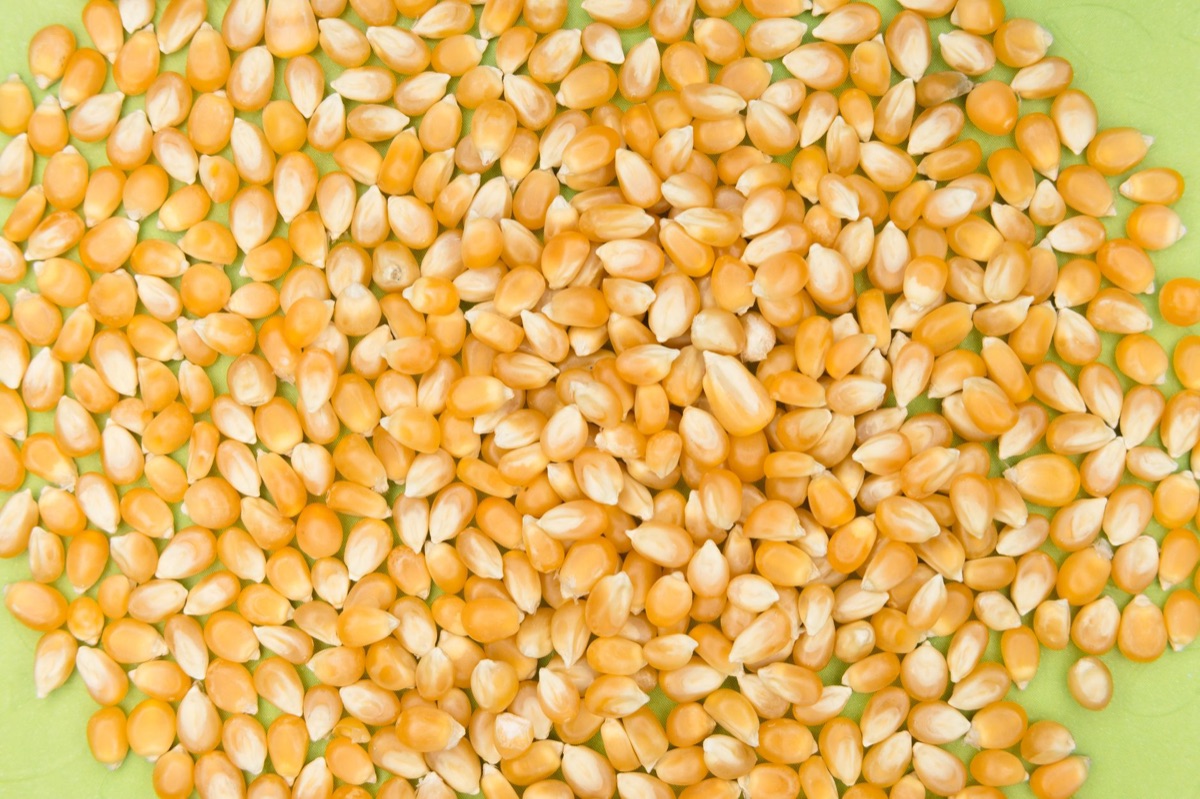
- The Foundation (Pellets): High-quality, extruded pellets should be the primary source of nutrition. Unlike loose seed mixes, pellets prevent "selective feeding," where a hamster only eats the high-fat sunflower seeds and ignores the essential grains.
- The Boost (Seeds and Nuts): These provide necessary fats and proteins but are extremely calorie-dense. They should be treated as a supplement rather than the main course.
- The Fresh Element (Vegetables): Fresh produce adds vital moisture and micronutrients. Aim for about 1 to 2 tablespoons of safe vegetables daily.
| Diet Component | Primary Purpose | Recommended Daily Ratio |
|---|---|---|
| Extruded Pellets | Consistent Vitamins/Minerals | 70-80% |
| Seeds & Nuts | Healthy Fats & Protein | 10-15% |
| Fresh Vegetables | Hydration & Micronutrients | 5-10% |
While this ratio provides a solid framework, you have to be careful about what you add to the mix as a reward.
What are the best snacks for my hamster?
I reached into my pantry to grab a tiny sliver of apple, making sure it was sliced thin enough that my hamster could easily manage it. I always keep a small container of "safe snacks" in my kitchen so I don't accidentally reach for something human-grade that could be dangerous.
While it is tempting to give your pet treats frequently, moderation is vital for digestive health and weight management.
Safe Snack List: * Small pieces of apple (no seeds) * Tiny bits of broccoli * Occasional sunflower seeds (in moderation) * Small pieces of carrot
Strictly Avoid: * Chocolate (highly toxic) * Avocado (contains persin, which is dangerous) * Anything with added salt or sugar * Onions or garlic
To maintain a healthy gut, variety is your best friend. Rotating different safe vegetables prevents boredom and ensures a wider spectrum of nutrients. However, even with the perfect snacks, environmental changes can disrupt their entire eating cycle.
How does the season affect their eating habits?
The air in my house turned crisp last November, and I noticed my hamster's behavior shifting almost overnight. He became less active, spending more time huddled in his bedding, and I had to pay much closer attention to how much he was actually consuming.
Environmental changes can trigger physiological shifts in small rodents. Some species engage in forms of thermoregulation that significantly alter their energy needs.
This type of thermoregulation can diminish a metabolic rate to about 5%, which helps the animal considerably reduce its need for food during the winter months.
If you notice your hamster becoming lethargic during colder months, do not force-feed them. Instead, ensure their environment is stable and monitor their food intake to ensure they aren't entering a dangerous state of torpor.

Common Feeding Mistakes to Avoid
I once made the mistake of thinking "more is better" when I first got my first hamster. I filled his bowl to the brim every single night, only to find a massive, moldy pile of uneaten seeds in the corner of his cage a week later.
According to the USDA, an estimated 2.5 to 3 million people consumed chickens fed with tainted pet food in 2007. The FDA noted that Banfield's veterinarians treat an estimated 6 percent of the nation's cats and dogs.
The USDA reported in 2007 that millions of chickens were affected by contaminated feed.
To avoid these pitfalls, follow this daily wellness checklist:
- Check the Bowl: Ensure the pellet base is replenished but not overflowing.
- Inspect for Waste: Look for uneaten seeds or moldy bits in the bedding.
- Refresh Water: Replace the water bottle with fresh, clean water.
- Monitor Weight: Feel your hamster's sides once a week to ensure they aren't gaining excess fat.
- Limit Treats: Ensure snacks do not exceed 15% of their total daily intake.
One of the biggest errors is "Selective Feeding," where you allow a diet solely of loose seed mixes. This leads to nutritional deficiencies because the hamster selects only the high-calorie items.
Overfeeding is another trap; providing too many high-fat treats is a leading cause of obesity and dental issues.
Advanced Nutrition: Customizing for Activity Levels
As your hamster ages, or if you notice their activity levels changing, you may need to adjust their caloric intake.
A young, high-energy Roborovski hamster may require more frequent, smaller meals to maintain their rapid metabolism, whereas an older Syrian hamster might need a slightly lower-calorie diet to prevent weight gain.
Always observe your hamster's physical condition. If you can no longer feel their ribs under a thin layer of fat, it is time to reduce the seed and nut portion of their diet and increase the pellet base.
Please note that these guidelines are intended for healthy domestic hamsters. If your pet is currently recovering from surgery or dealing with a specific medical condition, these general nutritional ratios may not apply, and you should consult a veterinarian for a specialized plan.





Comments 0