Pet food ingredient check: Tips for reading pet food labels
"The harm done by the tainted cat and dog food" remains a critical concern for every pet owner.
Understanding pet food ingredient check protocols is essential to prevent accidental ingestion of industrial contaminants. This guide covers how to identify contamination risks, the importance of reading pet food labels, and managing food poisoning in pets guide scenarios.
How to approach a pet food ingredient check?
A pet owner stands in a bright grocery aisle, squinting at the fine print on a bag of kibble. They wonder if the protein source listed is truly pure or if hidden contaminants lurk within the dry pellets.
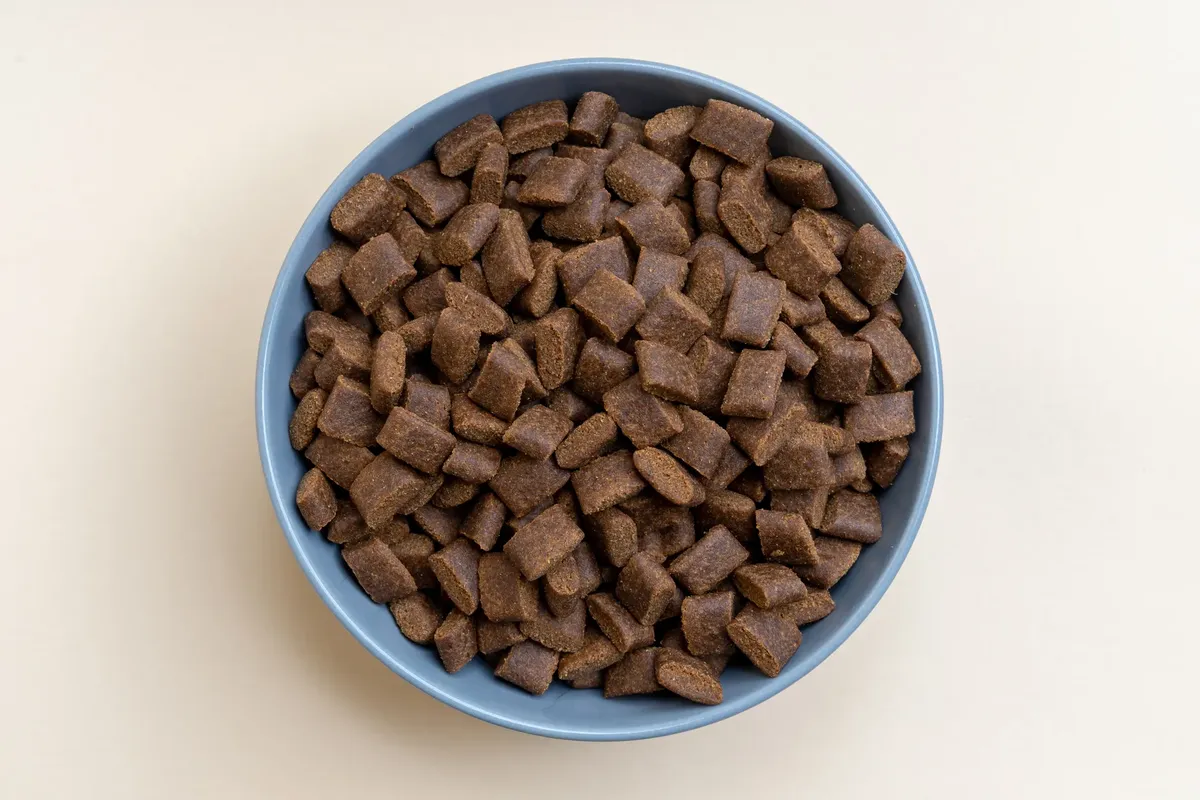
A reliable pet food ingredient check begins with understanding that industrial chemicals can enter the supply chain through raw materials.
This realization makes it necessary to scrutinize every component of the nutritional profile.
The goal is to ensure that the ingredients used are not adulterated with substances that could harm animals. Identifying harmful pet food stuff requires a skeptical eye toward processed additives and protein concentrates.
- Examine the ingredient list to identify the primary protein sources.
- Check the expiration dates and packaging integrity.
- Verify that the nutritional breakdown matches the pet's dietary needs.
Why is reading pet food labels critical?
At dusk, I lean over the kitchen counter and grip the bag tightly, scanning the label to ensure the pet food is safe.
A person holds a bag of food, tracing the list of ingredients with a finger, looking for specific additives. They check the manufacturer's name and the origin of the proteins to ensure safety.
Reading pet food labels helps owners identify if certain high-risk ingredients are present in their pet's diet.
Identifying these specific components is a key step in pet nutrition safety tips.
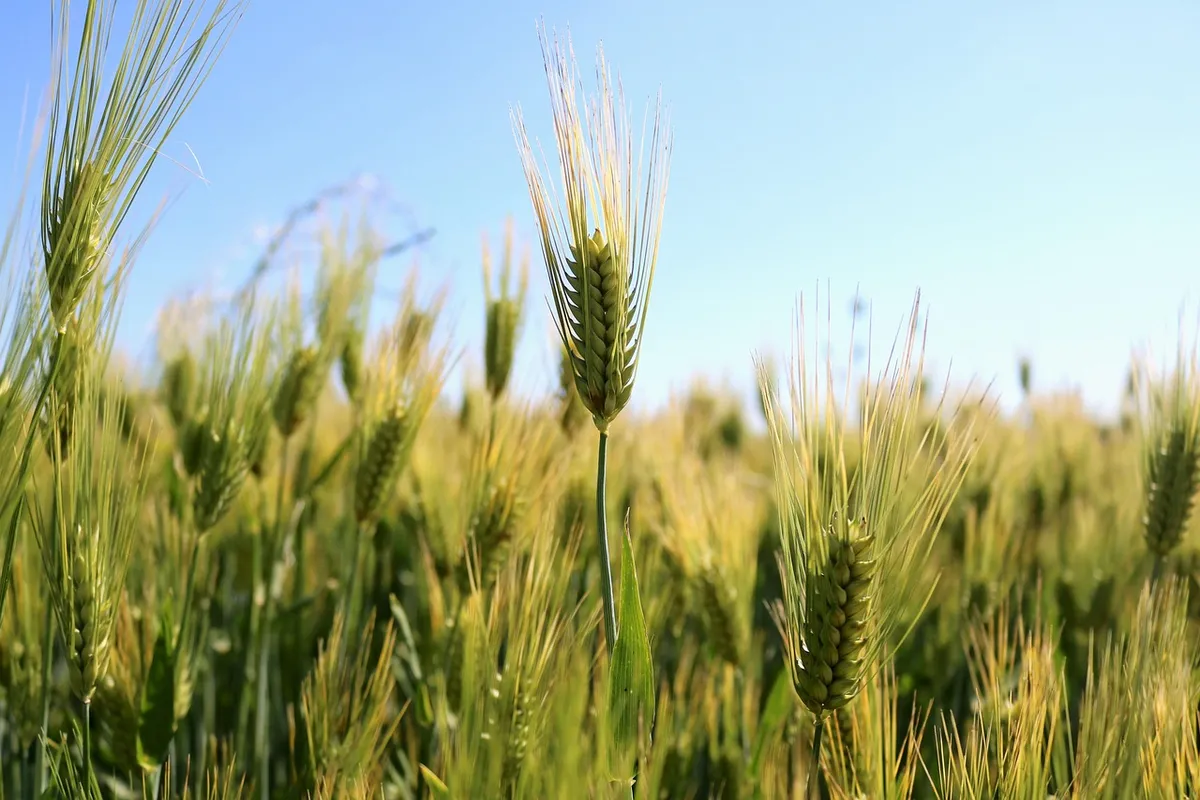
If a product contains these ingredients, owners must be aware of the potential for contamination through the global supply chain. This awareness helps in evaluating the safety of the protein sources being purchased.
In this sequence, the second step is the most critical.
What are the dog food contamination risks?
A veterinarian looks at a clinical report, noting the symptoms of a pet that recently changed its diet. The connection between the food and the illness is the primary focus of the investigation.
The dog food contamination risks often stem from the adulteration of protein sources with industrial chemicals.
This demonstrates how a single ingredient can compromise an entire batch of pet food.
Understanding these risks involves recognizing that contaminants like melamine can be hidden in common additives. Such issues can lead to widespread health problems across different species.
How to manage food poisoning in pets guide scenarios?
A pet owner rushes to the veterinarian after noticing their dog is lethargic and showing signs of distress. They quickly check the food bag to see if it matches the symptoms.
Managing a food poisoning in pets guide scenario requires immediate action and a thorough check of the food supply. One should follow these steps:
- Inspect the current food bag for any signs of tampering or unusual odors. 2. Check the specific ingredients against known contamination risks, such as wheat gluten or rice protein concentrate. gitignore 3. Contact a veterinarian immediately if the pet shows signs of illness after eating.

I once had to check a specific shipment of rice protein concentrate after being notified of potential issues. It is vital to cross-reference the label with any active recall notices from health authorities.
Can contamination affect the food chain?
A farmer examines a field of crops, wondering if the feed used for their livestock is safe. The connection between pet food and human food becomes a central concern.
Contamination can extend far beyond the pet bowl, potentially affecting human food supplies through the agricultural chain. On 1 May 2007, the FDA and USDA stated that millions of chickens fed feed tainted with contaminated pet food had been consumed by an estimated 2.5 to 3 million people.
This highlights the interconnectedness of protein-based food supplies.
The risk of cross-contamination means that what is fed to animals can eventually impact human health. This reality necessitates strict oversight of all animal feed ingredients.
What are the limitations of ingredient checking?
A consumer looks at a bag of food, realizing they cannot see the microscopic chemical levels with the naked eye. They feel a sense of uncertainty despite their careful reading.
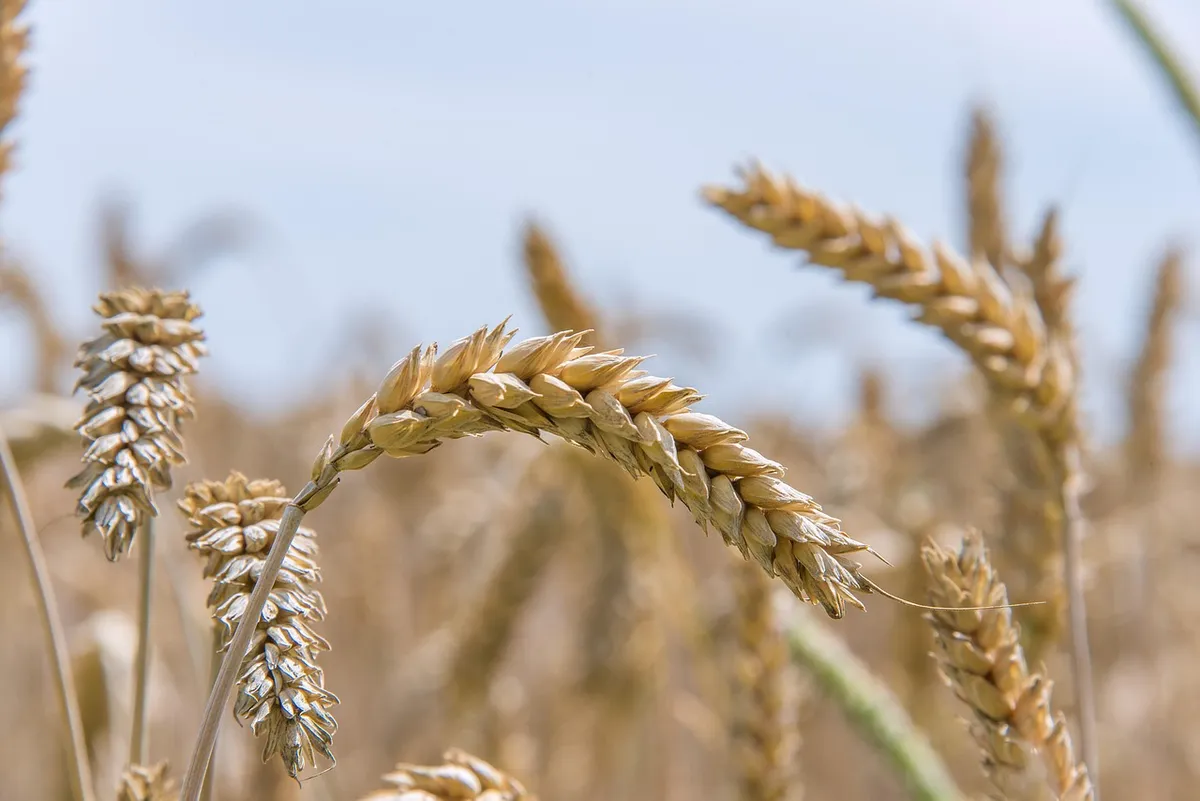
A limitation of checking ingredients is that even if a label looks standard, microscopic contaminants may still be present. For example, officials once noted that they did not know exactly who manufactured contaminated food or where the contamination took place.
| Ingredient Type | Potential Contaminant Example |
|---|---|
| Wheat Gluten | Melamine |
| Rice Protein Concentrate | Industrial additives |
The truth of the food's purity is often only revealed through laboratory testing rather than simple visual inspection.
Wikipedia: 2007 pet food recalls (full)
The same subject is also called Safe pet food ingredients.
This part also covers How to check pet food hygiene.
Related





Comments 0