Pet food recall safety check: How to avoid toxins
"The safety of what our pets eat is often an invisible concern until a recall occurs, forcing owners to face the reality of contaminated ingredients."
This guide covers identifying hazardous ingredients, understanding regulatory gaps, and verifying current pantry supplies to ensure pet health.
Key takeaways: 1. Understand the risks of feed-grade ingredients and mycotoxins. * Identify high-risk ingredients like wheat and corn gluten. * Learn how to cross-reference recalls with current pet food supplies.
How do historical contamination events impact pet food recall safety check methods?
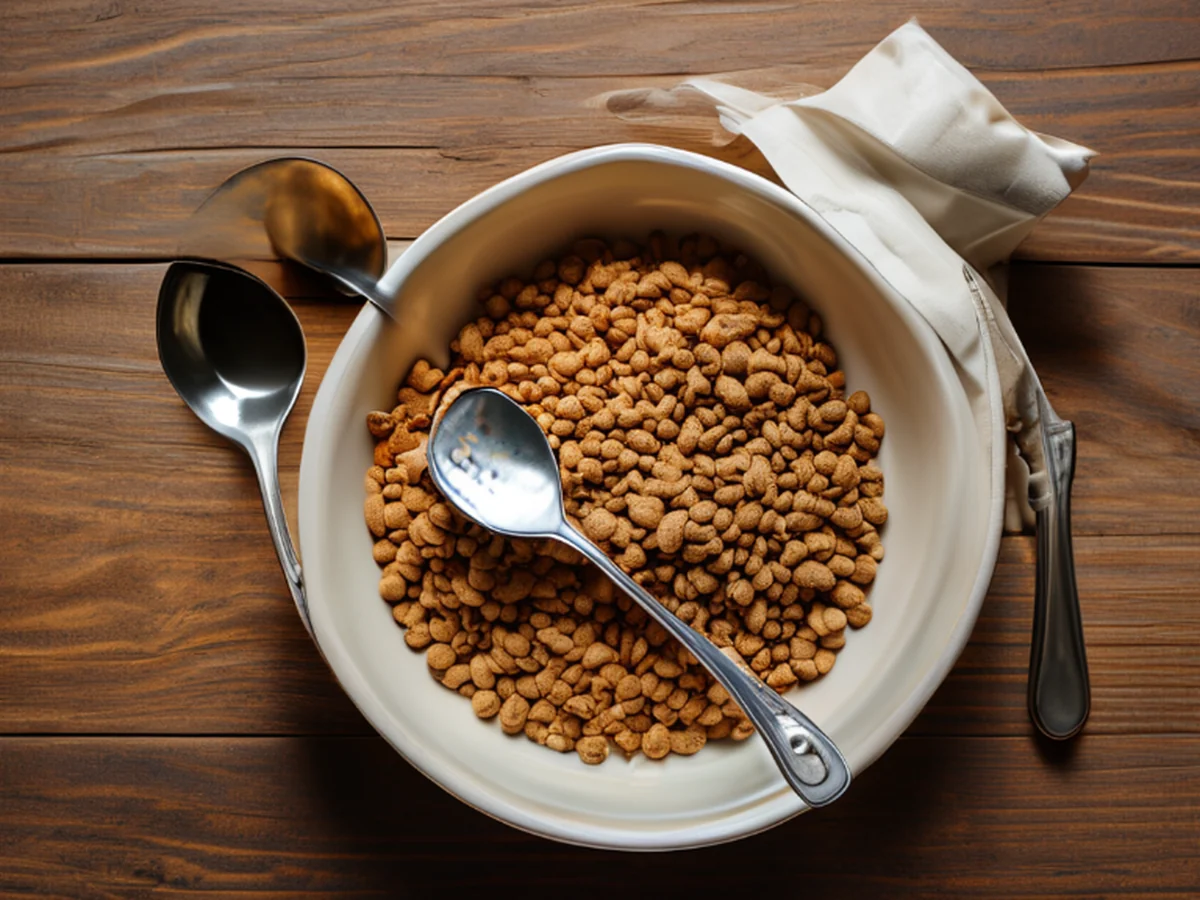
A pet owner stares at a bag of kibble, wondering if the ingredients listed match the safety standards of today. Looking back at massive industry shifts, the scale of past events informs how we approach modern food safety.
This historical context shows that even a small percentage of contaminated goods can cause widespread concern.
This massive scale of fraudulent production highlights why checking the source is vital.
Can I check pet food ingredients to avoid toxins?
At the kitchen table, I squint at the tiny print on the food label to see if any hidden toxins might be lurking within.
An owner carefully reads a label, searching for specific proteins and starches that might hide contaminants. Identifying specific ingredients is the first step in a reliable pet food safety guide.
The Chinese State Administration for Industry and Commerce states that it closed 152,000 unlicensed food manufacturers and retailers in 2006 for making fraudulent or low-quality products, according to the Chinese State Administration.
Specifically, there has been no comprehensive federal regulation on mycotoxin testing in feed-grade ingredients used to make pet food.
This regulatory gap means owners must be proactive in their own research.
This list provides a baseline for what to watch during a pet food safety guide.
To check pet food ingredients effectively, follow these steps: 1. Identify the primary protein and starch sources on the label. 2. Cross-reference these ingredients with active recall lists from government agencies. 3. Verify the manufacturing origin of the specific ingredients used.
I once spent an hour comparing a new bag of food to the list of high-risk ingredients mentioned in recent news reports.
How can I avoid contaminated pet food during a crisis?
A person stands in a grocery aisle, scanning the shelf for specific brand names mentioned in recent news. Avoiding contaminated pet food often requires reacting to sudden shifts in ingredient sourcing.
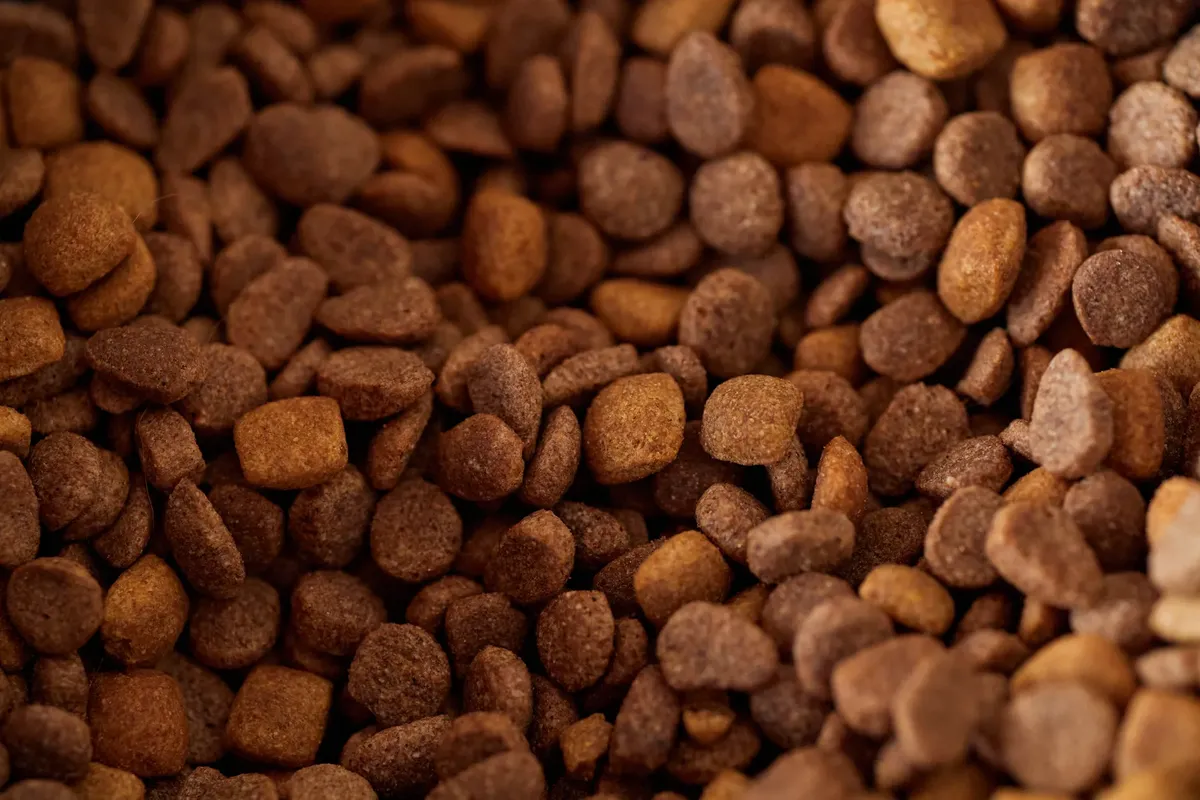
Since 1993, the FDA has confirmed concerns of toxins in feed grade (animal grade) ingredients, yet to date no comprehensive federal regulation exists on mycotoxin testing in feed grade (animal grade) ingredients used to make pet food, according to the FDA.
This makes it essential to know where your pet's protein sources originate.
This significant percentage shows how a single ingredient can compromise an entire batch of food.
| Ingredient Type | Test Result Context |
|---|---|
| Wheat Gluten Samples | 330 positive for melamine out of 750 |
| Unlicensed Manufacturers | 152,000 closed in 2006 |
What are the signs of contaminated pet food?
A pet owner watches their dog eat, feeling a sudden pang of worry about the quality of the meal. Recognizing the signs of contaminated pet food involves understanding both the physical food and the regulatory environment.
These complaints often stem from sudden changes in pet health or food appearance.
FDA officials admitted that contaminated food was likely still on store shelves throughout the country, urging consumers to re-check the food they have in their possession. This emphasizes that the "sign" of contamination might not be visible until after the bag is opened.
What are the best practices for pet nutrition when recalls happen?
A veterinarian sits in a clinic, reviewing the health history of a pet that recently changed diets. Implementing best practices for pet nutrition means staying informed about ingredient-level changes.
The FDA and USDA acknowledged that millions of chickens fed contaminated feed had been eaten. This highlights how contamination can travel through the food chain from animal feed to pet food.
This clinical data is a vital resource for understanding the real-world impact of contaminated nutrition.
To maintain safety, follow these best practices for pet nutrition: 1. Monitor your pet's health closely after switching brands. 2. Keep original packaging to verify lot numbers. 3. Verify that ingredients are not sourced from restricted producers.
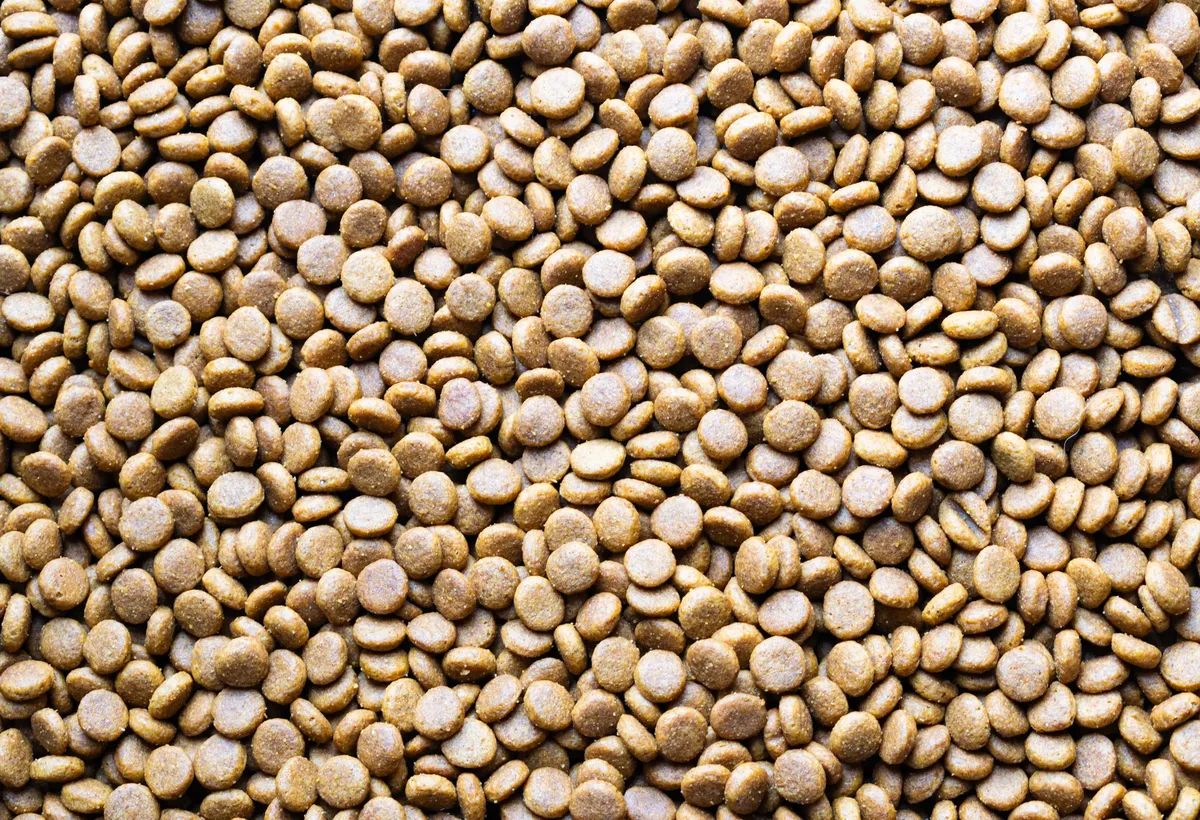
A final check involves confirming that your current pet food does not contain any of the ingredients currently under investigation.
- Learning how to perform a pet food recall safety check requires understanding the history of contamination and the specific ingredients at risk.
- While the recalled products represented just 1% of pet foods available in the U.S., the recall remains one of the largest in American history.
- Because the scale can be so vast, owners must remain vigilant about even minor ingredient shifts.
The subject here is pet food recall safety check.
The same subject is also called safe pet food guide.
The same subject is also called pet food safety tips.
Related
- Pet insurance cost trends: Guide to policy types
- Comprehensive Guide to Pet Behavior and Health Issues

Comments 0