Pet insurance history trends guide for modern pet owners
"The bond between humans and their animals has shifted from mere companionship to a deep sense of family responsibility, driving a new era of financial planning for pet health."
Pet insurance history trends show a transition from niche coverage to a significant component of modern pet ownership. This guide explores how the industry evolved from early models to the sophisticated policies used today, helping owners prepare for rising veterinary costs.
You will learn about historical adoption rates, current market growth, and how to navigate reimbursement structures.
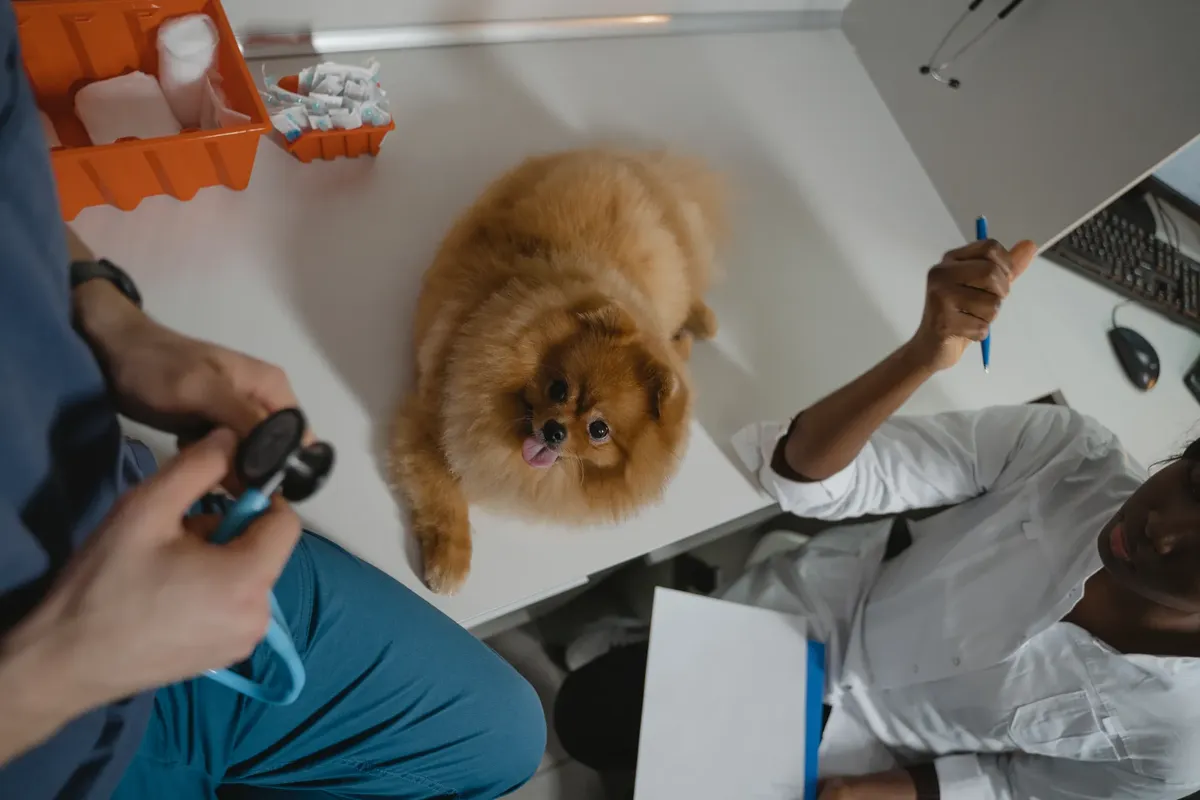
While the market is expanding, it is important to note that coverage remains relatively low in some regions, such as in the United States where fewer than 5% of all pets were covered by an insurance policy as of 2024.
How did pet insurance history trends begin?
A single owner looks at an old paper policy, reflecting on how much the industry has changed since the days of basic liability. Early coverage was often localized and limited in scope, serving only a small fraction of pet owners.
In the past, the scale of coverage was much smaller than the modern market suggests. For instance, as of 2009, Britain had the second-highest level of pet insurance in the world at 23%, trailing only Sweden.
This historical benchmark shows that while insurance was once a specialized tool, certain regions established much higher engagement levels early on. Understanding this pet insurance evolution helps owners realize that current trends are part of a much longer global shift in pet care management.
Early coverage focused on basic accident protection, but the industry evolved as veterinary medicine became more advanced.
Why is the number of insured pets changing so rapidly?
An owner reviews a growing stack of veterinary bills, realizing that the cost of care is a primary driver for seeking coverage. The pet insurance evolution is closely tied to the increasing financial commitment owners make to their animals.

The shift in behavior is reflected in recent data. As of 2022, the number of insured pets has increased 125% since 2018. This surge indicates a growing awareness of the financial risks associated with pet health. As more families treat animals as integral members, the demand for protection grows.
This trend suggests that the animal insurance past was much more limited than the current era of comprehensive health planning.
As pets are increasingly viewed as integral family members, owners seek to mitigate the rising costs of specialized veterinary care.
How does modern pet coverage work for families?
A person sits at a kitchen table, comparing different policy documents to find the best fit for their dog. Modern coverage is designed to address the complexities of contemporary veterinary medicine and the rising costs of care.
The financial landscape shows that pet ownership is a major economic factor. In 2022, Americans spent $136.8 billion on their pets, which was an increase of nearly 11% compared to 2021. This spending reflects the high value placed on pet health.
Most policies today function through reimbursement models. The insurer reimburses eligible expenses according to the policy’s terms, which may include reimbursement percentages (commonly 70–90%), deductibles, and limits on annual or per-condition benefits.
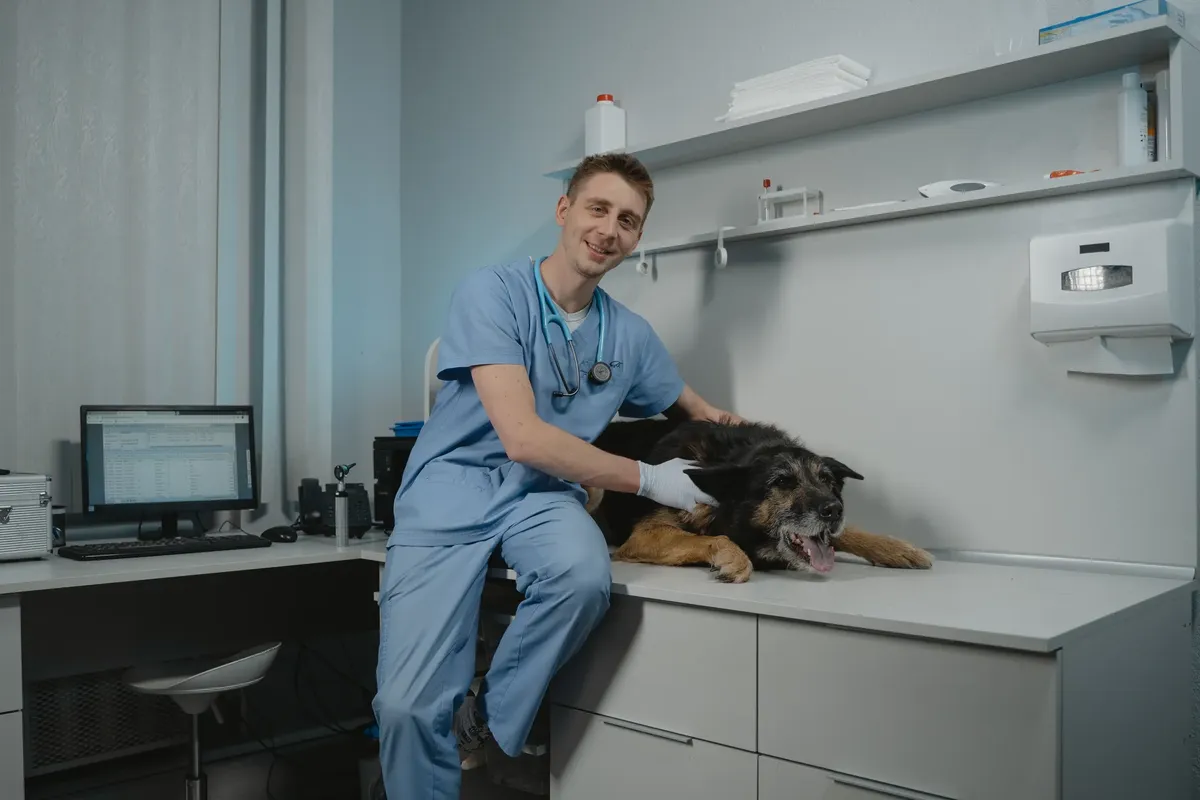
- Evaluate the specific health risks of your pet's breed.
- Compare deductible levels against monthly premium costs.
- Select a plan that covers both routine wellness and emergency care.
What is the best pet insurance strategy for long-term care?
A pet owner carefully selects a plan, thinking about the future health needs of an aging companion. Developing a best pet insurance strategy requires understanding both the emotional bond and the technical mechanics of a policy.
To prepare effectively, owners should follow these steps:
- Review reimbursement percentages and deductibles to ensure they align with monthly budget constraints. 2. Check for limits on annual or per-condition benefits to avoid unexpected out-of-pocket costs during major medical events. 3. Verify the specific terms regarding eligible expenses to ensure common veterinary visits are covered.
I once spent an afternoon comparing these specific percentage ranges to ensure my own pet's coverage would be sufficient for unexpected emergencies. A final check should always involve verifying the specific coverage limits against the potential cost of specialized veterinary care.
In this sequence, the second step is the most extensive.
How do we plan for future pet care planning?
A hand reaches out to pet a dog, acknowledging that health stability is a priority for the years ahead. Future pet care planning involves anticipating the shifting relationship between humans and animals.
The drivers behind this planning are emotional as much as they are financial. In a pet owner survey by Packaged Facts, 95% of dog owners and 94% of cat owners agreed that they considered their dogs or cats to be a part of the family.
This emotional connection makes pet health a central pillar of household planning. As the market continues to evolve, staying informed about policy structures is essential for maintaining this bond.
Effective planning involves setting aside funds for aging-related health issues and potential chronic conditions.
pmc.ncbi.nlm.nih.gov:443
Related
- Pet food quality health: Why diet is critical for health
- Pet food ingredient check: Tips for reading pet food labels
How does the growing financial commitment affect the family bond?
A growing financial commitment necessitates comprehensive planning to maintain the bond between humans and their animals. The increasing cost of care acts as a primary catalyst for owners seeking coverage, reflecting the high value placed on pet health.
This heightened commitment supports the view that pets are integral family members, as evidenced by the survey data showing high agreement among dog and cat owners.
The shift in behavior is directly tied to the recognition of financial risks associated with pet health, prompting the demand for protection.
The shared responsibility of managing pet health can strengthen the sense of unity and empathy within a household.
Understanding the Reimbursement Process
The reimbursement model dictates how the insurer handles eligible expenses after a claim is filed. Owners must first meet the policy’s deductible before the insurer begins to reimburse costs.
Once the deductible is satisfied, the policy applies the specified reimbursement percentage, which typically falls between 70% and 90%. The final out-of-pocket cost is then subject to the annual or per-condition limits defined in the policy.
This sequence ensures that the policy terms govern the financial outcome between the owner and the insurer.
Comparing Coverage Scope Over Time
The scope of pet insurance coverage demonstrates a significant evolution when comparing early models to current policies. Early coverage was characterized by being localized and limited in scope, serving only a small fraction of pet owners.
Modern coverage, however, is designed to address the complexities of contemporary veterinary medicine, allowing for a much broader scope of protection. This transition reflects the deepening bond between humans and their animals, moving beyond basic companionship toward family responsibility.
While historical benchmarks show certain regions established higher engagement levels early on, the current market expansion indicates a global shift in pet care management.
Navigating Policy Conditions
Owners must carefully evaluate the specific conditions of a policy before committing to a plan. Checking for limits on annual or per-condition benefits is a caution against unexpected out-of-pocket costs during major medical events.
Reviewing reimbursement percentages and deductibles is a procedure to align the policy with monthly budget constraints. Verifying the specific terms regarding eligible expenses is necessary to ensure common veterinary visits are covered under the policy.
The process of selecting a plan requires understanding both the emotional bond and the technical mechanics of the policy.
Wikipedia: Pet insurance (full)




Comments 0