Pet food quality health: Why diet is critical for health
"The association between melamine in the kidneys and urine of cats that died and melamine in the food they consumed is undeniable."
Ensuring pet food quality health requires a deep understanding of how contaminated ingredients can lead to sudden, life-threatening illnesses in domestic animals. This guide examines historical contamination cases to illustrate the importance of ingredient oversight and veterinary monitoring.
You will learn about the risks of adulterants, the necessity of professional medical oversight, and how to interpret health trends in your pets.
How can bad food pet sickness cases impact animal longevity?

A veterinarian examines a lethargic cat during a routine checkup, noting the sudden onset of kidney-related symptoms. In historical contamination events, the impact of tainted ingredients was devastatingly clear.
The consequences of poor manufacturing were evident when specific dietary products led to severe health crises. In one documented instance, the cases involved 235 cats and 112 dogs, with 61 percent of the cats and 74 percent of the dogs having died.
These statistics show how quickly low-quality or fraudulent ingredients can lead to fatalities. Such incidents highlight the necessity of maintaining high standards in pet food production to prevent sudden loss.
Chronic health issues stemming from poor nutrition can significantly shorten a pet's lifespan.
Why is understanding the importance of pet food diet critical for health?
A pet owner carefully reads the label of a puppy formula, looking for specific ingredients to ensure proper growth. Understanding the composition of what animals consume is the first step in preventing chronic issues.
The presence of adulterants can change the fundamental safety of a diet. For example, a chemical was found in the suspected wheat gluten in raw concentrations as high as 6.6%. This level of contamination can turn a standard meal into a source of acute illness.
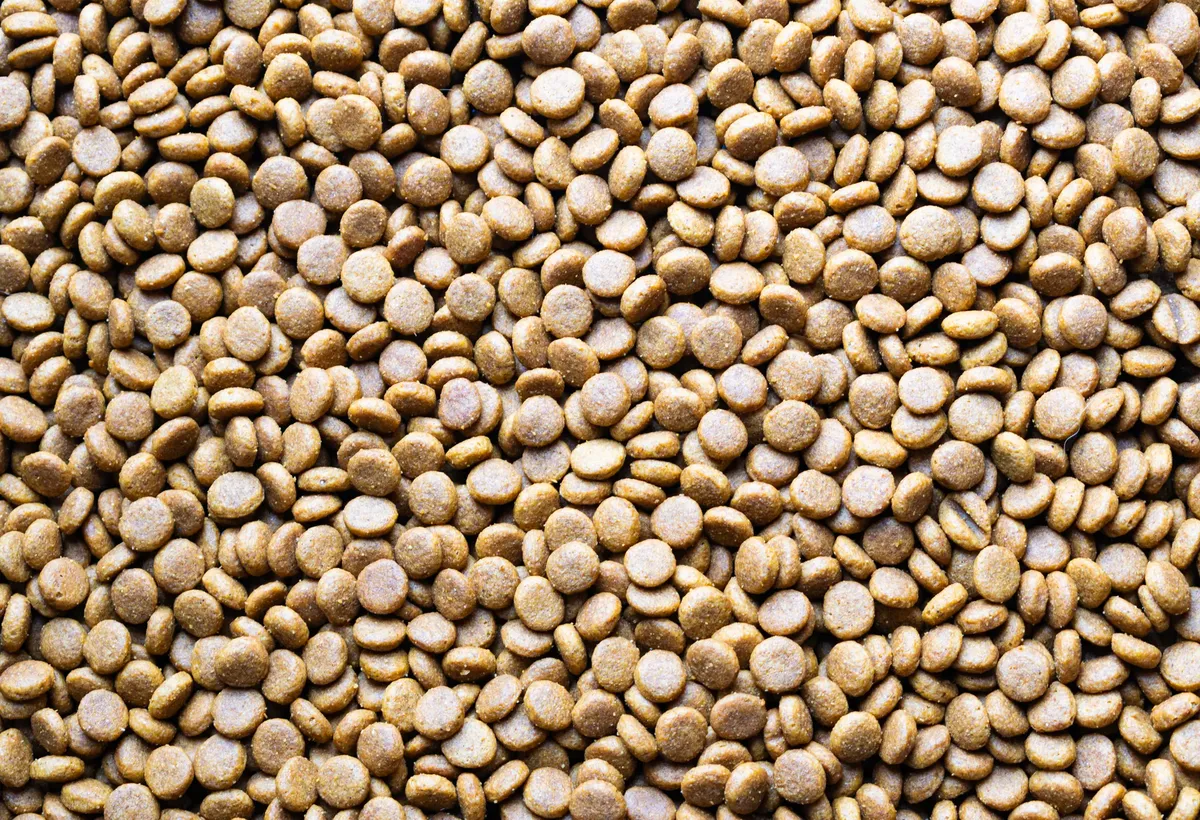
Monitoring ingredient purity is a vital part of pet food nutrition guide practices for any responsible owner.
A balanced diet provides the foundational nutrients necessary to support long-term physiological functions.
How do veterinary checkups pets require to prevent illness?
A vet technician prepares a blood sample to check a dog's kidney function after a change in diet. Regular medical oversight provides the data needed to catch issues before they become irreversible.
Veterinary professionals use clinical data to track unexpected health trends. In one specific study, they reported 284 more cases of kidney failure in cats than the expected "background rate," corresponding to a 30 percent increase. This surge provided a clear signal of widespread contamination.
Professional monitoring helps identify when a lifestyle or dietary change has caused a dangerous shift in health.
Regular professional examinations help identify nutritional deficiencies or food-related issues before they become severe.
What are the signs of pet food contamination?
An owner notices their pet is drinking more water than usual and seeks immediate advice. Recognizing the symptoms of toxin exposure is essential for timely intervention.
One of the primary concerns with chemical additives like melamine is the damage to internal organs.
| Condition | Statistical Impact |
|---|---|
| Cat Mortality Rate | 61 percent |
| Dog Mortality Rate | 74 percent |

I observed how these mortality rates changed the way owners approached ingredient transparency during my own research into historical recalls.
Common indicators include unusual odors, visible mold, or changes in the texture of the food.
How to manage pet food safety through three essential steps
A caregiver inspects the seals on several cans of food before opening them for a meal. Following a structured approach to food management can mitigate some risks of contamination.
- Verify the manufacturer's credentials and historical safety records before purchasing large quantities of food. 2. Monitor your pet for sudden changes in urination or appetite following any change in brand or formula. 3. Maintain a regular schedule of veterinary checkups to establish a baseline for kidney and organ health.
After completing these steps, always check for any active recalls from official government agencies regarding your specific brand.
- Inspect all packaging for damage or tampering before purchase.
- Store food in airtight containers in a cool, dry place.
- Regularly check expiration dates to ensure freshness.
What are the limitations of dietary monitoring?
A researcher looks through a microscope at a crystal sample to identify chemical traces. Even with careful monitoring, some contaminants are difficult to detect without specialized laboratory equipment.
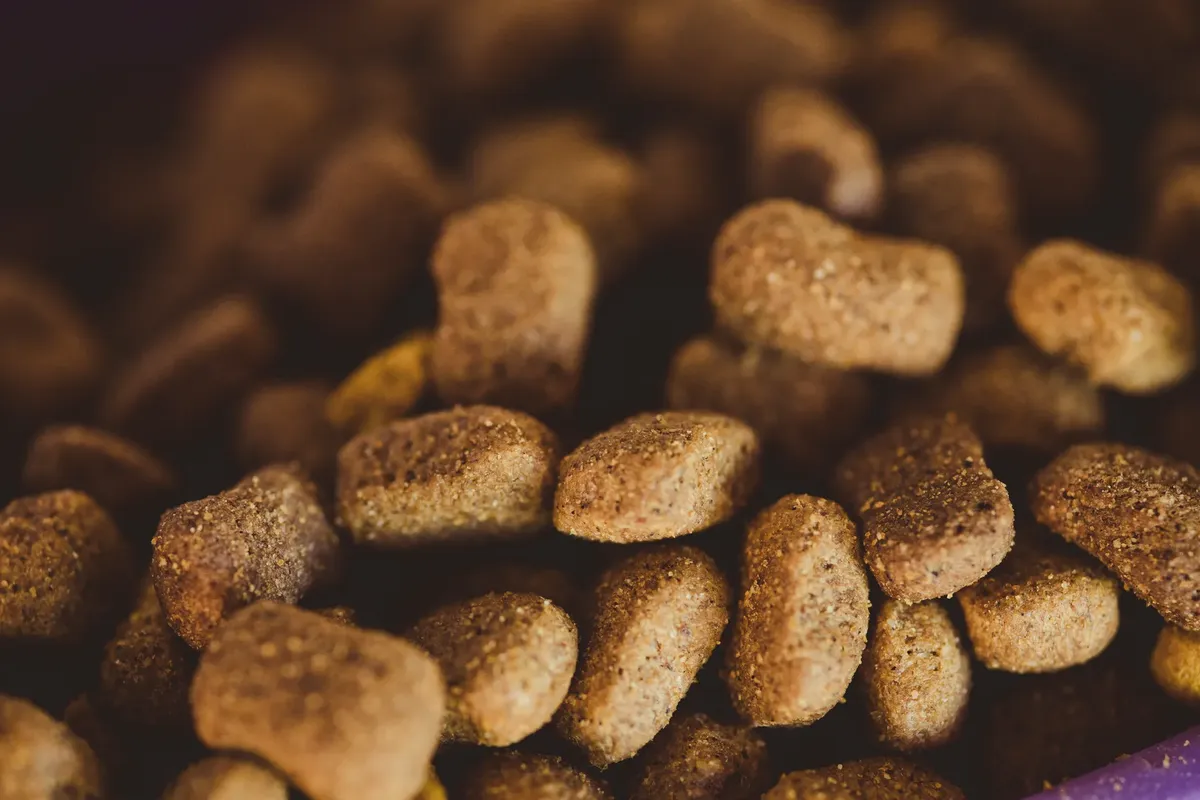
A limitation exists because some chemical interactions are microscopic and invisible to the naked eye. For instance, the crystal formed by melamine and cyanuric acid is approximately 30% melamine, with the remainder identified as cyanuric acid, ammelide, and ammeline.
These crystals, which can serve as a biomarker for contamination, are often only identifiable through clinical testing or advanced analysis.
In this sequence, the second step is the most critical.
Pet food quality health
The subject here is Pet food quality health.
The same subject is also called Dog food nutrition guide.
The same subject is also called Cat health diet tips.
The same subject is also called Prevent pet illness.
The same subject is also called Vet care for pets.
Related





Comments 0