Pet food recall lessons: Why monitoring health is critical
"The association between melamine in the kidneys and urine of cats that died and melamine in the food they consumed is undeniable."
Understanding pet food recall lessons requires looking at historical contamination to prevent future harm. This guide covers identifying risks, managing sudden recalls, and implementing safe pet food storage to protect your animals.
We will examine how past contamination events shaped modern safety and how owners can manage a sudden change in diet.
How do we learn from pet food recall lessons?
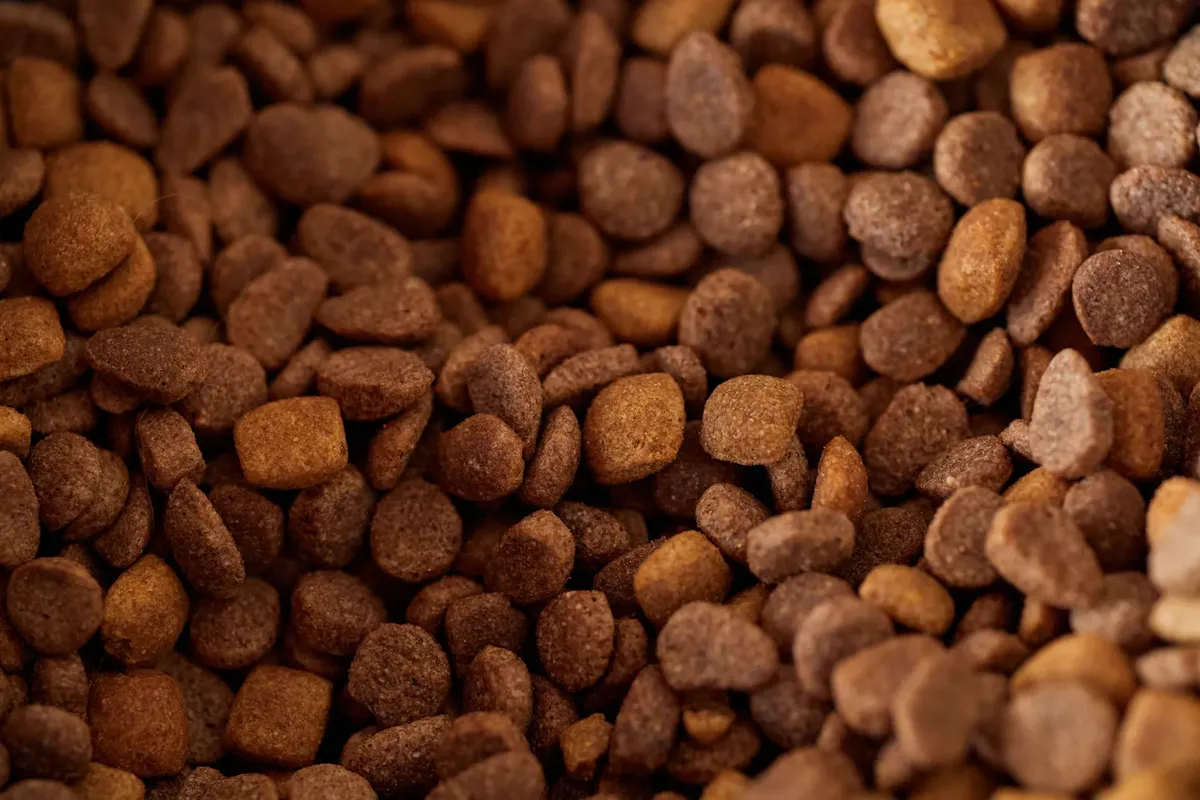
A veterinarian examines a pet's chart while reviewing recent changes in diet. Evaluating past incidents helps owners recognize the signs of chemical contamination.
Historical data shows that specific contaminants can cause devastating health outcomes. For instance, one case involved 235 cats and 112 dogs, where 61 percent of the cats and 74 percent of the dogs died. These statistics highlight the severity of food-borne toxins.
This connection underlines why monitoring ingredient quality is essential.
The Chinese State Administration for Industry and Commerce states that it closed 152,000 unlicensed food manufacturers and retailers in 2006 for making fraudulent or low-quality products. This scale of industry-wide action demonstrates the risks of unregulated production.
- Identify the specific contaminant source.
- Trace the affected batches through the supply chain.
- Update safety protocols to prevent recurrence.
What are the best practices for pet food?
In the quiet kitchen, I lean forward to sniff the bag of food, checking for a strange scent.
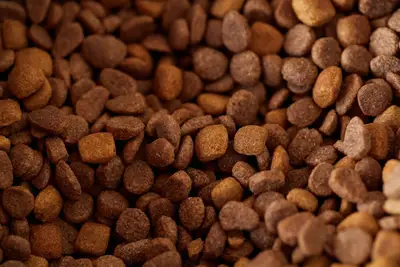
An owner carefully inspects a bag of kibble for tampering or expiration dates. Maintaining high standards at home is the first line of defense against contamination.
Effective management involves staying informed about manufacturer updates and ingredient changes. Safe pet food storage ensures that once a product is opened, it remains free from moisture and pests that could introduce bacteria.
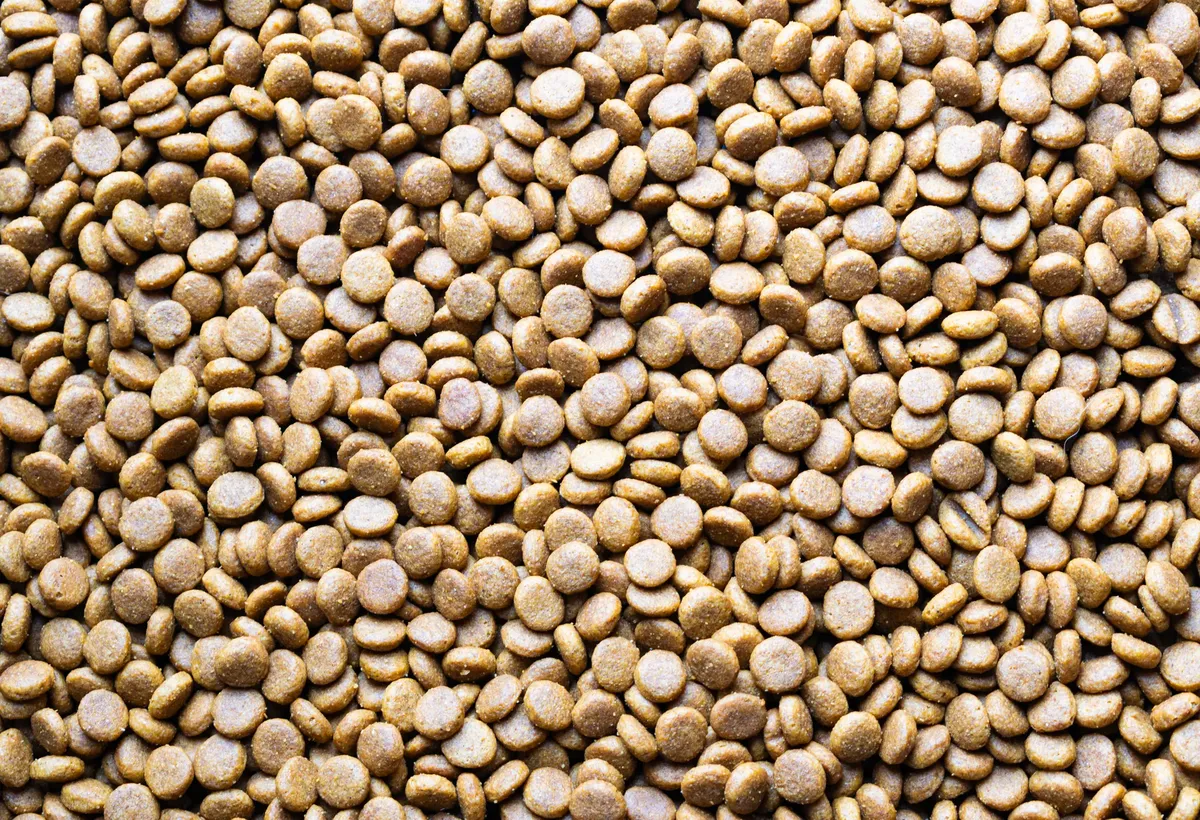
Hygiene for pet food starts with keeping feeding bowls clean and separate from food storage areas. Using airtight containers prevents the introduction of environmental contaminants.
Pet food safety guide principles suggest checking for any changes in smell, texture, or color immediately upon opening a new batch. If a product seems off, it should be set aside and investigated.
In this sequence, the second step is the most extensive.
How can we manage a sudden recall?
I rush to the pantry at midnight and grab the bag of food, my hands shaking as I feel the coarse texture of the kibble.
A person quickly gathers all bags of food in the pantry to check against a list. Reacting swiftly to a recall can prevent accidental ingestion of tainted products.
If you receive a notification, immediately remove the affected product from your pet's reach. Managing pet food recalls requires a calm but decisive approach to prevent further exposure.
- Verify the specific lot numbers and brand names against the official recall notice. 2. Isolate the product in a sealed bag to prevent accidental feeding or cross-contamination. 3. Contact your veterinarian to discuss potential health risks if your pet has already consumed the food.
I once had to clear out an entire pantry of various treats after a sudden notification, which taught me the importance of organized labeling.

A limitation of these steps is that they cannot prevent contamination that occurred during the manufacturing process before the food reached the home.
Why is monitoring health critical during a recall?
A pet owner watches a cat closely, noting any changes in appetite or behavior. Sudden health shifts can be a direct result of contaminated ingredients.
Monitoring pet health is essential because symptoms of toxicity can appear quickly. Recall case pet health issues often manifest as organ failure or digestive distress.
In one instance, researchers reported 284 more cases of kidney failure in cats than the expected background rate, which was a 30 percent increase. This spike indicates how quickly a contaminated batch can impact a population.
| Aspect | Impact Detail |
|---|---|
| Cat Mortality | 61 percent of cats died in specific cases |
| Dog Mortality | 74 percent of dogs died in specific cases |
How does regulation influence pet safety?
A government official reviews a massive database of food production standards. Oversight ensures that the products entering the market meet minimum safety requirements.
According to the Chinese State Administration, the Chinese State Administration for Industry and Commerce closed 152,000 unlicensed food manufacturers and retailers in 2006 for making fraudulent or low-quality products.
As of 2021, the FDA had responsibility for overseeing $2.7 trillion in food, medical, and tobacco products, according to the FDA.
Regulatory bodies work to manage the vast quantities of food produced globally. Preventinging pet food contamination often relies on these large-scale inspection efforts.
As of 2021, the FDA had responsibility for overseeing $2.7 trillion in food, medical, and tobacco products. This massive scope highlights the complexity of modern food safety.
In June 2018, the FDA released a statement regarding new guidelines to help food and drug manufacturers implement protections against potential attacks on the U.S. These guidelines aim to strengthen the security of the entire food supply chain.
The subject here is Pet food recall lessons.
This part also covers Preventing pet food contamination.
Related
- Pet insurance cost guide: Tips for pet health care
- Pet food ingredient safety: Guide to check pet food safety
What precautions should owners take regarding ingredient sourcing? Owners should scrutinize ingredient lists when purchasing pet food to identify potential risks. Examining the source of ingredients helps owners understand the supply chain's integrity. The association between ingredient quality and pet health is a critical consideration for responsible pet ownership.
When ingredients change, owners should be cautious because alterations might signal a shift in production methods or sourcing. A comparison of old and new ingredient lists can reveal subtle changes that warrant further investigation.
This vigilance supports the overall goal of preventing adverse health events.
If a food item has an unfamiliar ingredient, owners must exercise caution before feeding it to their animals. This precautionary step aligns with the principle of monitoring ingredient quality mentioned previously.
The association between unknown additives and pet illness necessitates this careful approach.




Comments 0