Pet food ingredient safety: Guide to check pet food safety
"The harm done by tainted cat and dog food remains one of the most authoritative pictures of pet food safety crises."
Understanding pet food ingredient safety requires careful scrutiny of labels to prevent accidental ingestion of contaminated proteins. This guide covers how to check pet food safety, identifies common risks like protein adulteration, and provides steps to audit your current pantry.
How can I spot protein adulteration in pet food?
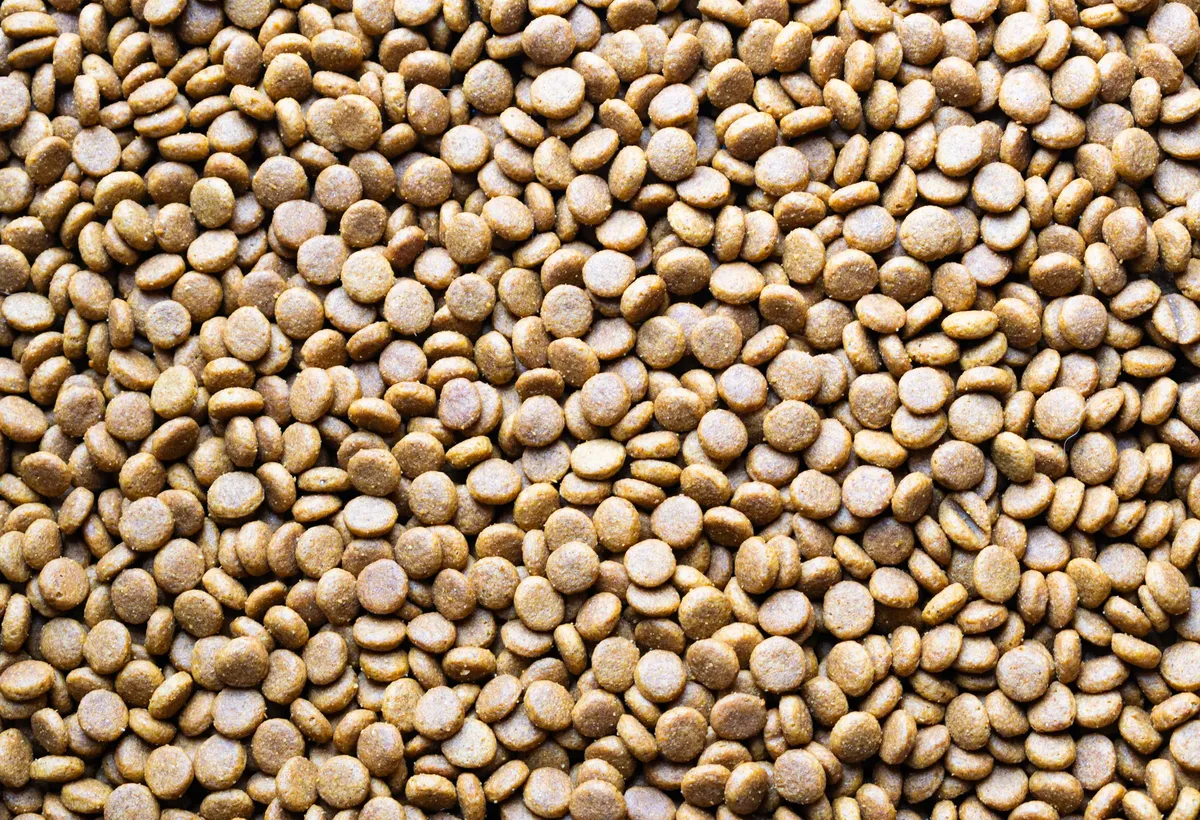
A pet owner stands in a grocery aisle, squinting at the fine print of a kibble bag to ensure no hidden fillers exist. Identifying protein adulteration in pet food often starts with recognizing when low-quality ingredients are used to artificially boost nitrogen levels.
In historical contamination events, investigators found that substances like melamine were used to mask low quality.
This demonstrates how specific additives can infiltrate standard ingredients.
The scale of such issues can be massive. For example, the Chinese State Administration for Industry and Commerce stated that it closed 152,000 unlicensed food manufacturers and retailers in 2006 for making fraudulent or low-quality products.
This highlights the risk of unverified sources entering the supply chain.
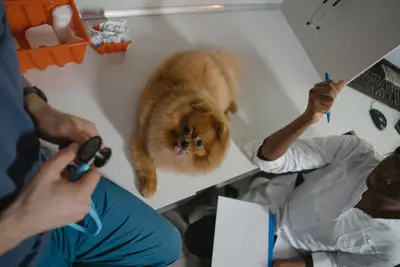
Could contaminated protein in my pet's food be dangerous? Pet food ingredient safety A veterinarian examines a pet, noting the physiological impact of a sudden change in diet. The dangers of contaminated protein in pet food extend beyond the animals to the human food chain.
The impact can reach much further than pet owners might expect. On 1 May 2007, the FDA and USDA stated that millions of chickens fed feed tainted with contaminated pet food had been consumed by an estimated 2.5 to 3 million people.
This illustrates how pet food contamination can trigger a widespread public health crisis.
Monitoring these risks is vital for pet health. While the recalled products represent just 1% of pet foods available in the U.S., the recall is one of the largest in American history. Such events underscore the necessity of reading pet food labels to ensure ingredients are pure.
How to check pet food safety through label reading?
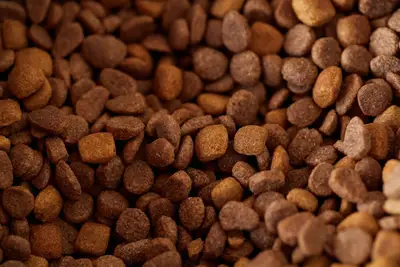
A person sits at a kitchen table with a flashlight and a bag of pet food, checking for consistency. To effectively manage pet food ingredient safety, owners must learn to identify suspicious additives and verify the origin of protein sources.
Follow these steps to audit your pet's food:
- Review the ingredient list for specific protein concentrates like wheat gluten, corn gluten, soy protein, or rice protein concentrate. 2. Check for any mention of additives that might be used to artificially increase protein readings. 3. Verify the manufacturer's reputation and ensure the products are not part of recent recalls.
I once sat at my own kitchen table, comparing the ingredient lists of three different brands to see which used the most transparent protein sources.
A limitation to this process is that even with careful checking, officials have noted that contaminated food may still be on store shelves, making it difficult to guarantee complete safety without official clearance.
Which ingredients should I be looking for in pet food? A researcher looks through a microscope at various grain and protein samples. When you analyze pet food parts, you must be aware of which common ingredients are most susceptible to adulteration.
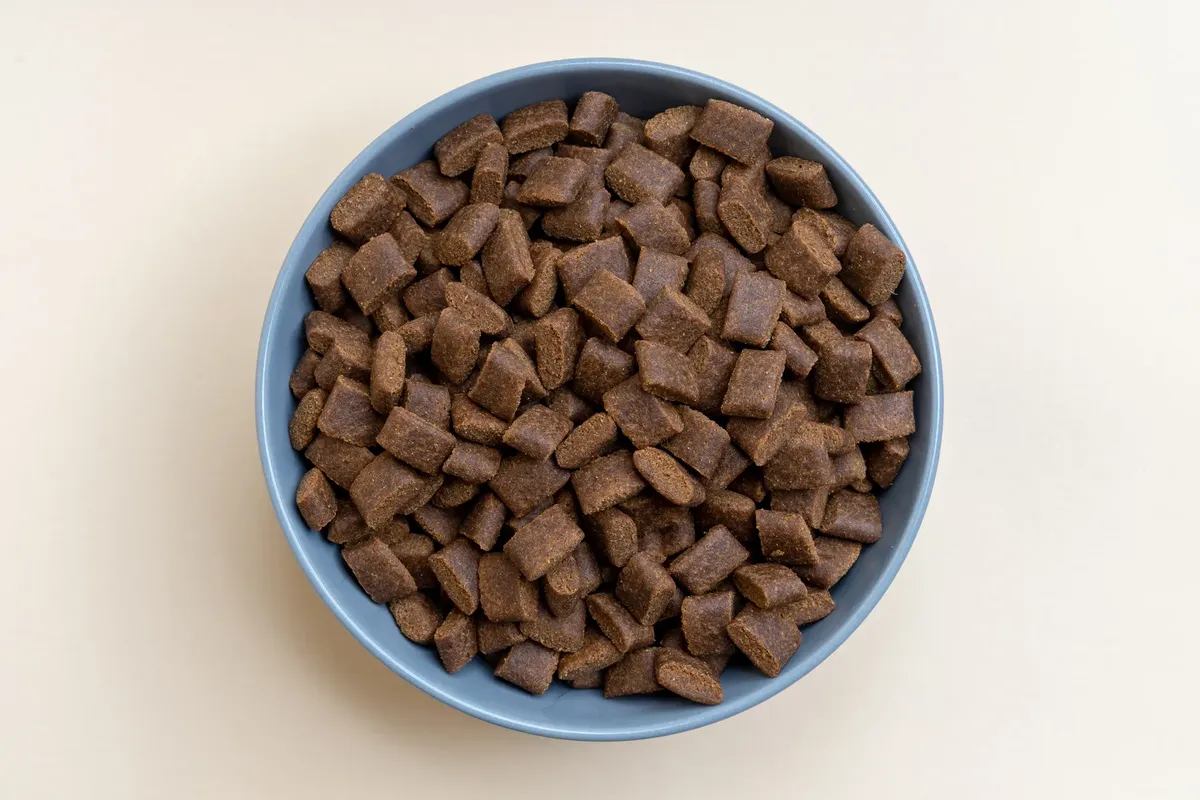
Certain items are more frequently tested due to their role in protein enrichment.
These are often the primary targets for adulteration because they are used to boost nutritional profiles.
| Ingredient Category | Potential Risk Factor |
|---|---|
| Wheat/Corn Gluten | High risk of melamine contamination |
| Rice/Soy Protein | Used to supplement nitrogen levels |
Understanding these specific components helps in spotting bad pet food ingredients before they reach your pet's bowl.
What are the steps for an effective pantry audit?
A homeowner clears a shelf to make room for new, verified pet food supplies. If you suspect your current supply is unsafe, you must act quickly to secure your pet's health.
- Cross-reference your current pet food brands with recent recall notices from regulatory agencies. 2. Inspect the physical packaging for any signs of tampering or unusual labeling. s3. Dispose of any products that match descriptions of recalled batches or suspicious ingredients.
Always ensure that any replacement food is sourced from reputable retailers to avoid the risks associated with unlicensed manufacturers.
Wikipedia: 2007 pet food recalls (full) Based on the retained excerpt mentioning FDA: Banfield's veterinarians treat an estimated 6 percent of the nation's cats and dogs, and their findings provide "the most authoritative picture of the harm done by the tainted cat and dog food," according to the FDA.
- How can I spot protein adulteration in pet food?
- Could contaminated protein in my pet's food be dangerous?
- How to check pet food safety through label reading?
The same subject is also called Safe pet food ingredients.
This part also covers Protein contamination in pet food.
Related
- Pet insurance in Sweden UK: Guide to Coverage Levels
- Pet signs of kidney failure: Understanding 284 cases
What precautions should I take regarding the harm done by tainted pet food?
The harm done by tainted cat and dog food necessitates proactive measures from pet owners. Owners should always prioritize sourcing pet food from established and trusted vendors to mitigate exposure to risks.
The Chinese State Administration for Industry and Commerce states that it closed 152,000 unlicensed food manufacturers and retailers in 2006 for making fraudulent or low-quality products, according to the Chinese State Administration.
If a product shows signs of spoilage or unusual appearance, it should be immediately isolated from other food supplies. This caution applies even if the packaging appears intact.
When reviewing ingredient lists, owners should compare the listed protein sources against known adulterants mentioned in regulatory warnings. Recognizing the potential harm done by specific additives allows for a more informed purchasing decision.
This diligence helps prevent the ingestion of substances that artificially inflate nutritional metrics.
If a recall notice is issued, the owner must follow the instructions precisely to ensure the harm done by the contaminated product is prevented. Disposing of suspect food items properly prevents accidental exposure to others. This procedure is critical for maintaining a safe environment for the pet.


Comments 0