Pet signs of kidney failure: Understanding 284 cases
"The association between melamine in the kidneys and urine of cats that died and melamine in the food they consumed is undeniable."
Identifying pet signs of kidney failure requires a keen eye for subtle changes in behavior and physical health. Owners must learn to recognize how contaminated ingredients can trigger sudden, life-threatening medical emergencies.
This guide covers how to spot dietary-related illnesses, the risks of low-quality ingredients, and the necessity of early detection for pet health check diet protocols.
How do you recognize pet signs of kidney failure?
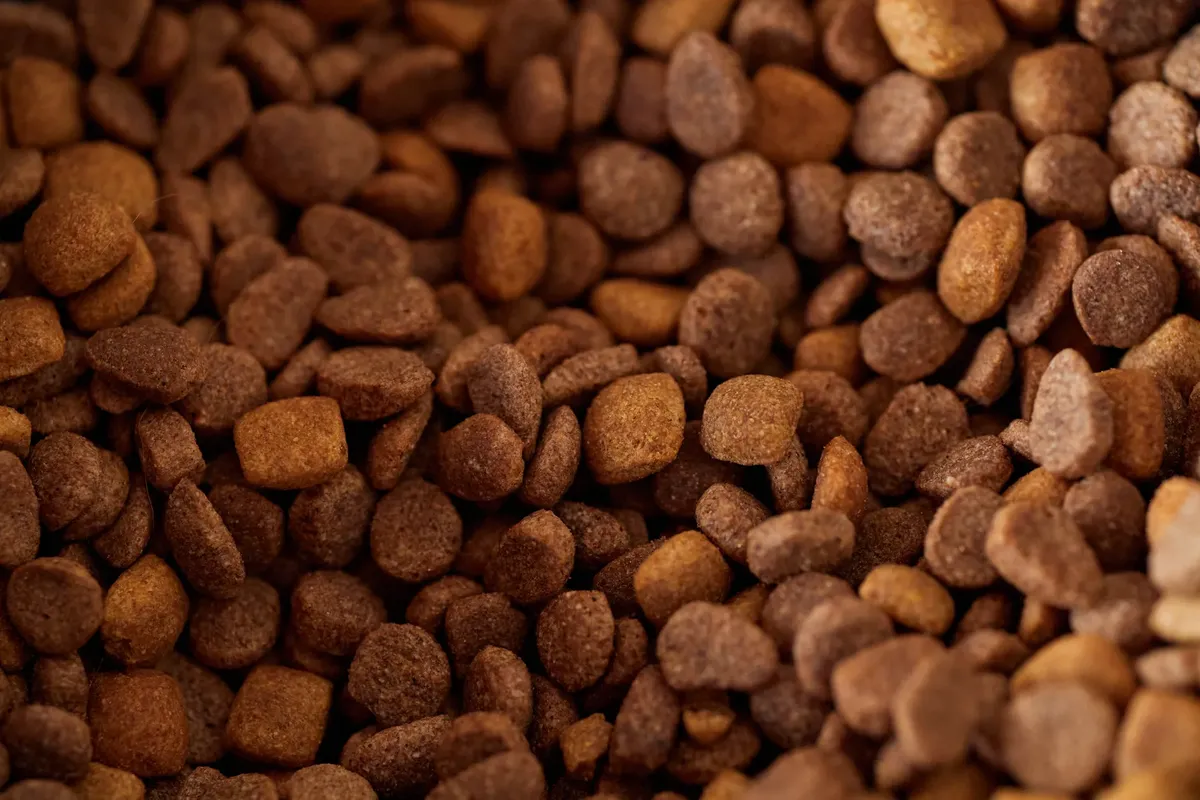
A veterinarian examines a lethargic cat sitting on a cold metal table. Understanding pet signs of kidney failure is critical because many symptoms manifest only after significant organ damage has occurred.
This link highlights how specific contaminants can lead to rapid health declines.
In certain cases, researchers reported 284 more cases of kidney failure in cats than the expected background rate, which represented a 30 percent increase.
In this sequence, the second step is the most critical.
What are the risks of dog food poisoning signs?
In the dim kitchen light, I gag at the sour smell while scanning the kibble for poisoning signs.
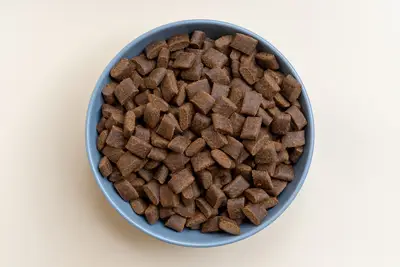
A dog tilts its head while sniffing a bowl of kibble, unaware of invisible contaminants. Identifying dog food poisoning signs often involves noticing sudden lethargy or changes in urination following a change in diet.
The presence of contaminants like melamine in wheat gluten can lead to severe health issues. In one instance, the chemical was found in suspected wheat gluten in raw concentrations as high as 6.6%. Such high concentrations can cause immediate distress in sensitive animals.
How can you manage cat kidney disease early?
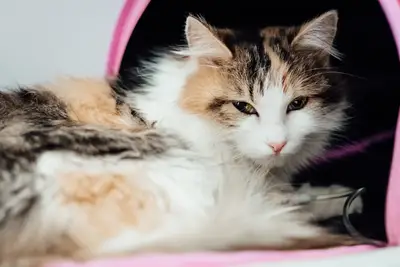
A caregiver gently strokes a cat that seems unusually tired during the afternoon. Managing cat kidney disease early involves regular veterinary screenings and careful monitoring of dietary intake.
When contaminants enter the system, they can cause physical changes in the body. Crystals recovered from urine were reported to be approximately 70% cyanuric acid, while the remainder was identified as ammelide and ammeline.
Understanding these chemical shifts helps in identifying the severity of the damage.
What should a pet health check diet include?
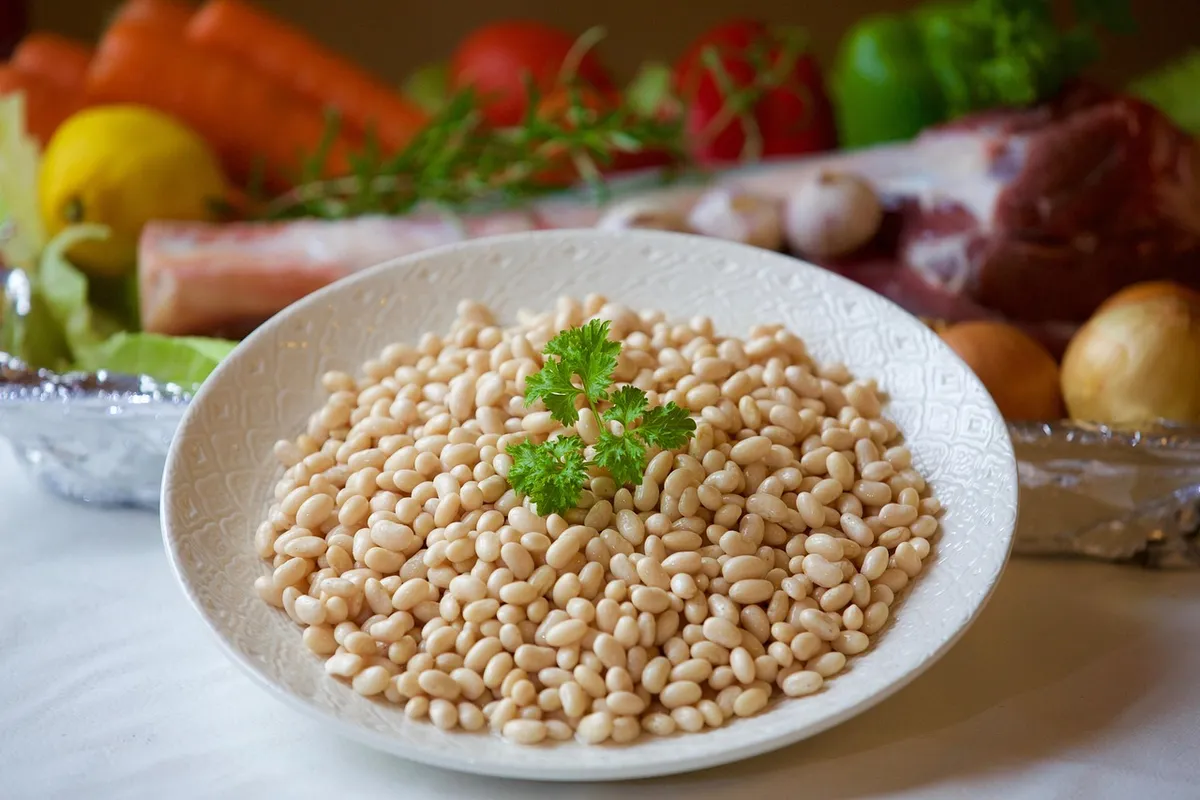
A person carefully reads the label on a bag of dry food before pouring it into a feeder. A pet health check diet focuses on ingredient transparency and the avoidance of fraudulent or low-quality additives.
In 2006, the Chinese State Administration for Industry and Commerce stated it closed 152,000 unlicensed food manufacturers and retailers for making fraudulent or low-quality products. Using high-quality, verified ingredients is the first step in preventing dietary illness.
How can you handle food related pet illness?
A pet owner rushes into a clinic with a carrier in hand. Addressing food related pet illness requires immediate professional intervention and a thorough investigation of recent food consumption.
The Chinese State Administration for Industry and Commerce states that it closed 152,000 unlicensed food manufacturers and retailers in 2006 for making fraudulent or low-quality products, according to the Chinese State Administration.
Management often involves looking for specific biomarkers. For example, a crystal that is approximately 30% melamine can serve as a biomarker for contamination. This helps veterinarians trace the source of the illness back to the specific food product.
- Remove all access to the suspected contaminated food.
- Monitor your pet for changes in behavior or vomiting.
- Contact a veterinarian to discuss immediate next steps.
How to identify and respond to dietary illness
If you suspect your pet has consumed contaminated food, follow these steps to ensure their safety and health:
- Immediately stop feeding the suspected product and secure the packaging for veterinary inspection. 2. Schedule an emergency veterinary appointment to check for organ function, specifically focusing on kidney health. ly 3. Keep a detailed log of all food brands, lot numbers, and any symptoms observed to assist professionals.
I once watched a veterinarian explain how a single bag of tainted food could change a pet's life forever. This reminder underscores the importance of checking every ingredient.
The following table compares specific findings related to contamination markers:
| Contaminant Component | Percentage in Identified Crystals |
|---|---|
| Melamine | Approximately 30% |
| Cyanuric Acid | Approximately 70% |
This part also covers Spotting kidney issues from food.
This part also covers Early detection pet illness.
This part also covers Dietary causes of pet sickness.
Spotting kidney issues from food
Related
- Global pet food contamination: How to check pet food safety
- Pet insurance history trends guide for modern pet owners
What other dietary risks exist besides melamine?
Identifying pet signs of kidney failure also requires awareness of other potential ingredient issues. The association between low-quality ingredients and pet illness is a growing concern for owners. Understanding the risks associated with various contaminants helps in proactive pet care.
Owners should scrutinize food labels to avoid additives that might compromise pet health. The FDA noted the undeniable association between certain substances and adverse health outcomes in animals. This vigilance supports early detection protocols.
When should a pet seek immediate veterinary care?
Immediate veterinary intervention is necessary when signs of dietary illness appear suddenly. The association between consuming tainted food and rapid health decline demands prompt action. Veterinarians can assess the severity of organ damage following exposure to contaminants.
Monitoring the pet's behavior and physical state provides crucial data for the veterinarian. A noticeable change in urination or sudden lethargy warrants an urgent consultation. This allows for timely investigation into the food source.



Comments 0