Pet insurance cost guide: Tips for pet health care
"The cost of care can be as unpredictable as a sudden storm, leaving owners to face difficult choices between their finances and their companions."
This guide explores how to navigate pet health insurance cost guide strategies to protect your pet and your budget.
How do current pet insurance trends look?
At dusk in the dim living room, I rub my tired eyes while scanning the latest pet insurance trends on my screen.

Understanding the current landscape of pet health insurance is the first step in building a reliable pet insurance cost guide.
According to the North American Pet Health Insurance Association (NAPHIA), the adoption rates of pet health insurance in the United States are at 2.3% of dogs and 0.4% of cats. These figures reflect a significant gap between pet ownership and coverage.
Current statistics suggest that while many animals enter homes, the financial safety net for their health remains limited. This creates a need for owners to understand how to transition from casual ownership to responsible, insured care.
Why is managing pet health costs important? Pet insurance cost guide
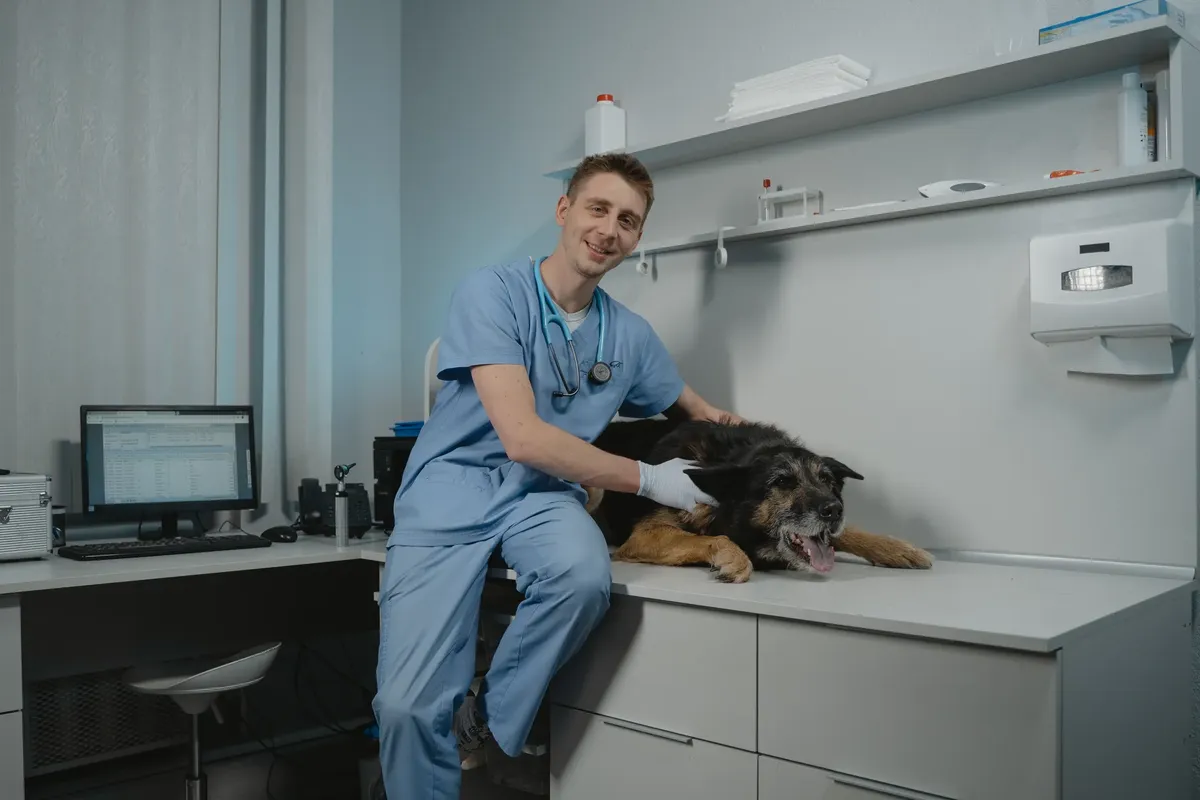
A veterinarian examines a small dog during a routine check-up while the owner takes notes. Addressing the necessity of managing pet health costs helps owners prepare for sudden medical emergencies that can arise at any time.
Many owners overlook the potential for high-cost interventions, often focusing only on immediate needs. A smart pet insurance use strategy involves looking beyond minor ailments to prepare for chronic or catastrophic health events.
Without a plan, sudden medical bills can become a significant financial burden. Developing a method for managing pet health costs ensures that medical decisions are based on the animal's needs rather than the owner's bank balance.
How can I start comparing pet insurance plans?

An owner sits at a laptop, scrolling through different policy details and coverage limits. Learning how to start comparing pet insurance plans requires looking at specific variables like deductibles, reimbursement rates, and exclusions.
When evaluating options, it is essential to look at the history of the pet and the specific risks associated with their breed. A common approach is to compare how different companies handle pre-existing conditions and elective procedures.
Effective comparisons involve checking how much of a premium is required for specific types of coverage. This foundational step allows for a more customized approach to pet insurance strategy.
- Review your pet's medical history and current health needs. 2. Compare different coverage levels and deductible options. 3. Evaluate the reimbursement rates offered by various providers.
How do I build a pet insurance strategy? A person organizes a folder of veterinary records and insurance paperwork on a desk. Establishing a clear pet insurance strategy helps ensure that coverage remains effective throughout the pet's life.
- Assess the specific health risks of your pet's breed to determine necessary coverage levels. 2. Select a policy that balances monthly premiums with the potential for high-cost out-of-pocket expenses. 3. Regularly review the policy terms to ensure the coverage still meets the changing needs of your aging companion.

I once spent an entire afternoon comparing different policy riders to ensure my dog's specific needs were met. Following these steps ensures that you are not just buying a policy, but building a sustainable financial plan.
In this sequence, the second step is the most detailed.
What are the limits of my pet insurance? A pet owner looks at a policy document with a confused expression while holding a leash. It is important to recognize that coverage is not a universal solution for every medical scenario.
A significant limitation is that insurance policies often exclude pre-existing conditions that were documented before the policy began. This means that the timing of when you enroll a pet is a critical factor in the effectiveness of the coverage.
Additionally, certain types of specialized care or experimental treatments may not be covered under standard plans. Understanding these constraints is vital to avoiding unexpected costs during a crisis.
pmc.ncbi.nlm.nih.gov:443 Based on the retained excerpt mentioning Association (NAPHIA) [ 16 ]: The adoption rates of pet health insurance in the United States is at 2.3% of dogs (1.7% in 2017), and 0.4% of cats (0.3% in 2017), according to the North American Pet Health Insurance Association (NAPHIA) [ 16 ].
- Managing rising veterinary expenses requires a proactive approach to insurance coverage and financial planning.
- Key takeaways include understanding current adoption and insurance trends, evaluating coverage for various health needs, and implementing a structured plan for long-term care.
- A quiet living room holds a pet owner looking over various policy documents on a wooden coffee table.
The same subject is also called Vet bill coverage tips.
This part also covers How to choose pet insurance.
This part also covers Preventative care insurance.
Related
- Pet food ingredient safety: Guide to check pet food safety
- Pet insurance in Sweden UK: Guide to Coverage Levels
When Should Owners Reassess Their Pet Care Cost Strategy? Owners should reassess their pet care cost strategy when their pet's health status changes or when policy terms are updated by the provider. Regular review of the policy terms is a critical component of a sustainable pet insurance strategy, especially as a companion ages. This ongoing evaluation ensures the coverage remains adequate for the evolving needs of the pet.
- Monitor the pet's health progression to see if new risks emerge that require higher coverage levels. 2. Check for changes in the insurance company's terms or premium structure to maintain financial predictability. 3. Confirm that the current plan still addresses the specific health risks identified during the initial assessment.
What are the practical implications of insurance exclusions on care? Insurance exclusions dictate which aspects of pet care the policy will not cover, which is a crucial condition to understand. If a condition falls under an exclusion, the owner must absorb the entire cost of that care. This reality underscores why understanding the limitations of pet insurance is necessary before signing any agreement.
The exclusion of pre-existing conditions means that the timing of enrollment directly impacts the potential for financial relief regarding past health issues.
Furthermore, the non-coverage of certain specialized treatments requires owners to budget for those specific high-cost interventions separately.








Comments 0