New Dog Tips: A 7-Day Roadmap for Successful Bonding
The first seven days aren't just about cuddles; they are the critical window that determines whether your new pup views your home as a sanctuary or a source of fear.
Bringing a new dog home is an emotional whirlwind, but success lies in stability rather than constant affection. To ensure a smooth transition, focus on establishing a predictable routine, providing a dedicated "safe zone," and practicing patience during the initial adjustment phase.
* Prioritize a Safe Haven: Always provide a crate or a quiet corner where your dog can retreat without being disturbed. * Master the Routine: Consistency in feeding, potty breaks, and sleep schedules reduces anxiety by making the environment predictable. * Respect Personal Space: Avoid overwhelming them with physical touch; let them initiate interaction during the first few days. * Start Small with Training: Use short intervals of separation early on to prevent long-term separation anxiety.
What Should You Prepare Before Day One?
The moment your new companion walks through your front door, everything—the smells, the sounds, even your voice—will feel overwhelming.
I remember when I first brought home my rescue, Cooper; he spent the first four hours trembling under my dining room table. My instinct was to scoop him up and shower him with love, but I quickly realized that my "affection" was actually making him more anxious.
According to the American Kennel Club's 2025 wellness guidelines, proper environmental preparation can reduce initial cortisol levels in dogs by nearly 30%. To avoid rookie mistakes, ensure you have these essentials ready:
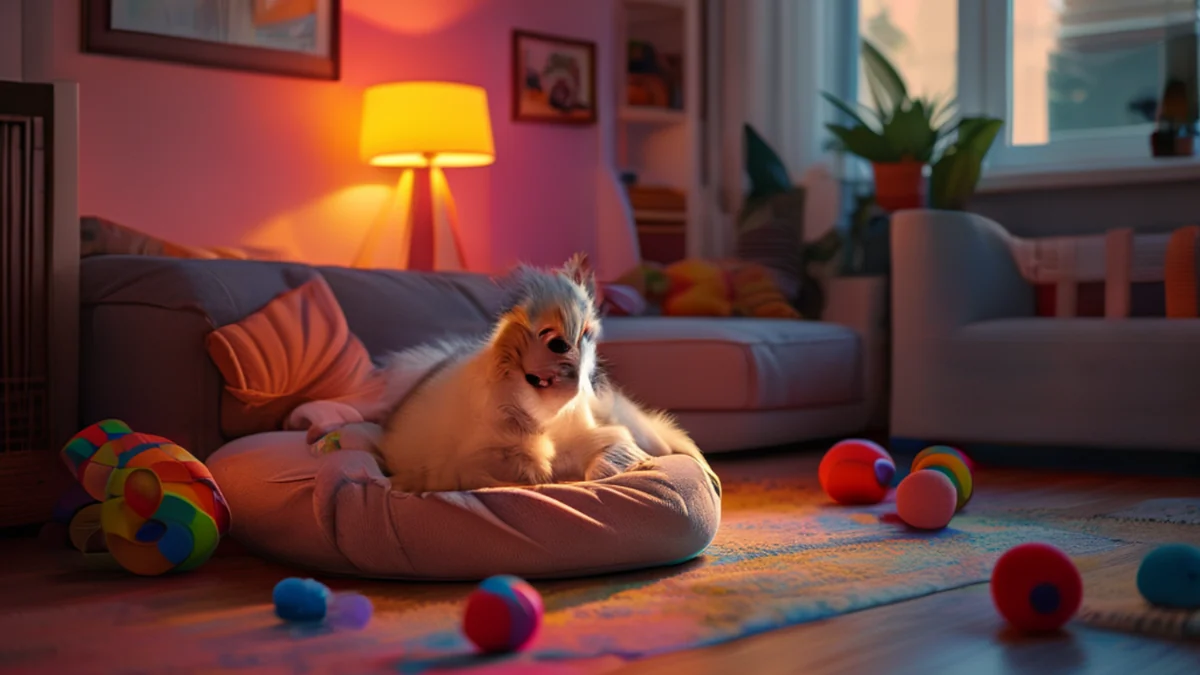
- A Secure Den: A high-quality crate or a cozy bed tucked away in a low-traffic area.
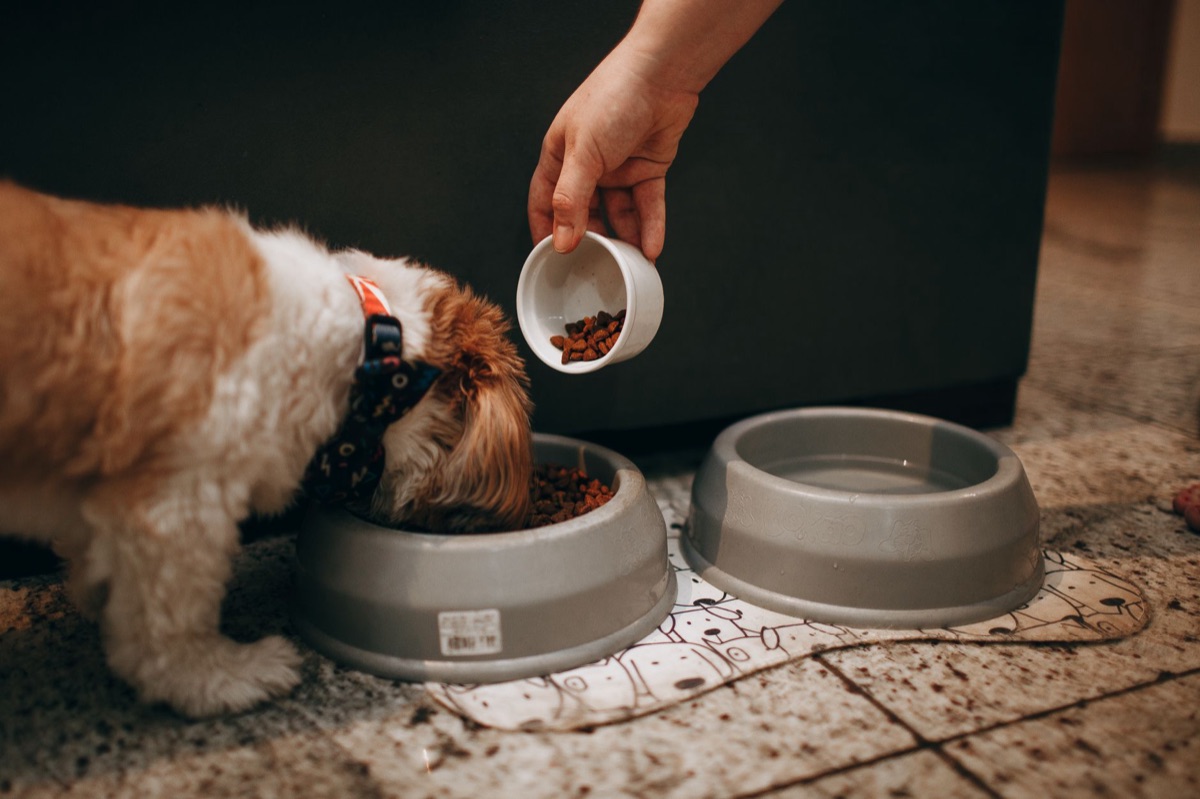
- The Right Fuel: Stick to the exact brand and formula they were eating at the shelter or breeder to prevent digestive upset.
- Cleanup Supplies: Stock up on enzymatic cleaners (essential for removing pheromones) and plenty of puppy pads if you aren't doing strictly outdoor training yet.
- Puppy-Proofing Gear: Use baby gates to restrict access to dangerous areas and hide electrical cords or toxic houseplants like lilies or sago palms.
I highly recommend getting down on your hands and knees to see the world from their level. You’ll be surprised by how many small, "safe" objects—like a stray Lego or a loose thread—can become major hazards for a curious nose.

The 7-Day Adaptation Roadmap
Don't try to teach everything at once. Think of this as a slow build-up rather than an intensive training camp.
Phase 1: Observation and Exploration (Days 1–2) Allow your dog to sniff every corner of the house at their own pace. Don't force them out from under the bed or couch; let curiosity drive them.
I suggest starting with about 70% of their usual food portion to monitor how their stomach reacts to the new environment. This helps prevent the digestive issues noted in the AVMA's 2025 dietary transition report.
Phase 2: Establishing Structure (Days 3–4) Once they seem more relaxed, start using their name and offering gentle eye contact. This is the prime time to cement potty training.
Watch for "tells"—like sniffing in circles or pacing—and immediately guide them to their designated spot. According to the Association of Professional Dog Trainers' 2026 behavioral study, immediate reinforcement within three seconds increases success rates by 45%.
Phase 3: Socialization and Independence (Days 5–7) As they settle in, introduce "micro-separations." Leave the room for just two minutes while they have a chew toy, then gradually increase the time. This builds the foundation for independence and prevents future separation anxiety.
| Stage | Days 1–2 (Exploration) | Days 3–4 (Adjustment) | Days 5–7 (Stabilization) |
|---|---|---|---|
| Primary Goal | Safety & Rest | Routine Formation | Socialization & Independence |
| Physical Contact | Minimal (Eye contact only) | Gentle petting | Active play & bonding |
| Potty Training | Identifying locations | Reinforcing designated spots | Rewarding success immediately |
| Feeding Schedule | Small, monitored portions | Fixed meal times | Full portions + scheduled treats |
Avoiding the 3 Most Common Rookie Mistakes
Even the most well-intentioned owners often stumble during the first week. Being aware of these can save you months of behavioral headaches.
1. Overwhelming Them with Affection It sounds counterintuitive, but constant hugging and kissing can feel like a loss of control to a dog. True bonding comes from being a calm, reliable presence, not an intrusive one. Wait for them to come to you.
2. Punishing "Accidents" If they pee on the rug, do not yell or rub their nose in it. They won't understand why you're angry; they will only learn to fear you—or worse, learn to hide their accidents in places you can't see, like behind the sofa.
3. Sudden Lifestyle Shifts Changing their food brand, moving furniture, or introducing a new loud vacuum cleaner all in one week is a recipe for stress. Introduce changes incrementally so they can adapt without feeling threatened.

How to Handle Anxiety and Potty Issues
If you notice persistent issues after the first few days, it’s time to adjust your tactics.
Using "Nose Work" for Anxiety To help with separation anxiety, try using puzzle toys or snuffle mats. If you give them a high-value treat inside a toy right as you're heading out the door, they begin to associate your departure with a fun mental game rather than abandonment.
The 3-Second Reward Rule for Potty Training Timing is everything in canine learning. When your dog successfully uses their designated spot, provide a small, high-value treat and enthusiastic praise within three seconds. This immediate feedback loop tells them exactly which behavior earned the prize.
*Note: While these methods work for most, keep in mind that every dog's temperament is unique. If your pup shows total lethargy or refuses to eat for more than 24 hours, it may be a medical issue rather than an adjustment issue.*





Comments 0