Small pet first day adjustment: Tips for low stress
"A new pet entering a home is not just a change of scenery; it is a total disruption of their sensory world."
Small pet first day adjustment often fails because the environment is overwhelming rather than inviting. To ensure success, owners must prioritize gradual introduction, secure containment, and minimal disturbance during the initial hours.
Key takeaways: * Establish a quiet, secure zone immediately. * Minimize direct interaction to lower stress levels. * Observe natural behaviors to assess comfort.
Why does pet stress first day home happen?
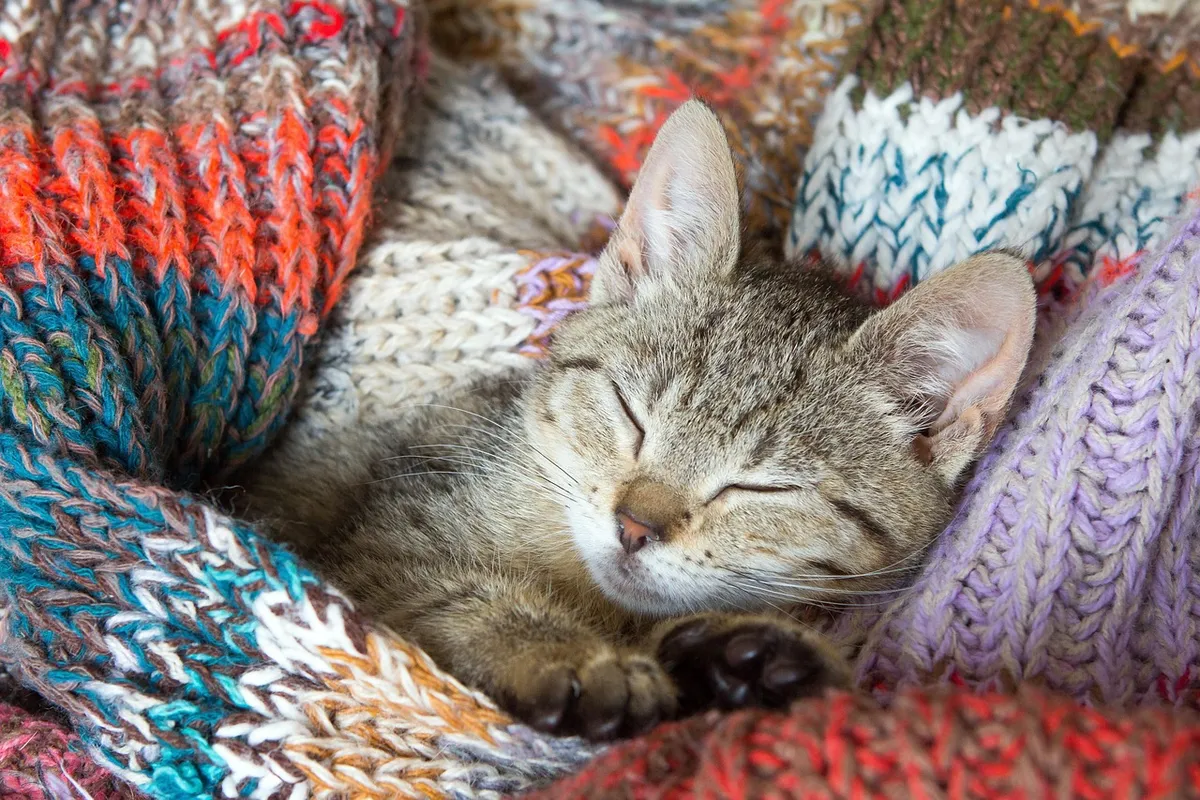
A small animal sits huddled in the corner of a plastic carrier, eyes wide and ears twitching at every footstep. The sudden shift from a breeder or shelter to a living room creates immediate sensory overload.
Small pet first day adjustment failure usually stems from an environment that feels unpredictable to a creature built for survival. When a pet enters a new space, every new scent, sound, and shadow represents a potential threat to their safety.
In many cases, owners attempt to socialize the pet too quickly, which can lead to hiding or aggression. Instead of exploring, the animal spends the first day in a state of high alert.
This disruption of their natural instinct to find a secure hiding spot can lead to long-term anxiety if not managed correctly.
Moving to a new environment involves a massive sensory shift, where unfamiliar smells, sounds, and layouts can overwhelm a pet's natural instincts. This transition disrupts their sense of security and routine, triggering a biological stress response as they attempt to navigate an unknown territory.
How to prevent pet first day stress? Small pet first day adjustment
A hand reaches toward a cage, but the small animal retreats further into the bedding. The owner pauses, realizing that presence can sometimes be more intrusive than helpful.
Preventing pet first day stress requires creating a "safe harbor" before the animal even arrives. This means setting up the enclosure or room in a low-traffic area where the pet can observe the household from a distance.
The goal is to provide a sense of ownership over their new space through familiarity. Providing hides, low-level lighting, and consistent scents helps bridge the gap between their old life and their new one. By controlling the environment, you manage the variables that cause panic.
Prepare a quiet, designated space with familiar bedding and calming scents to create an immediate sense of sanctuary. Minimize household noise and limit visitor access during the initial hours to allow your pet to observe their surroundings at their own pace.
What are the steps for puppy settling in tips?
A young puppy wanders tentatively around a rug, sniffing the base of a sofa before retreating. The owner watches closely, maintaining a respectful distance to allow for natural exploration.
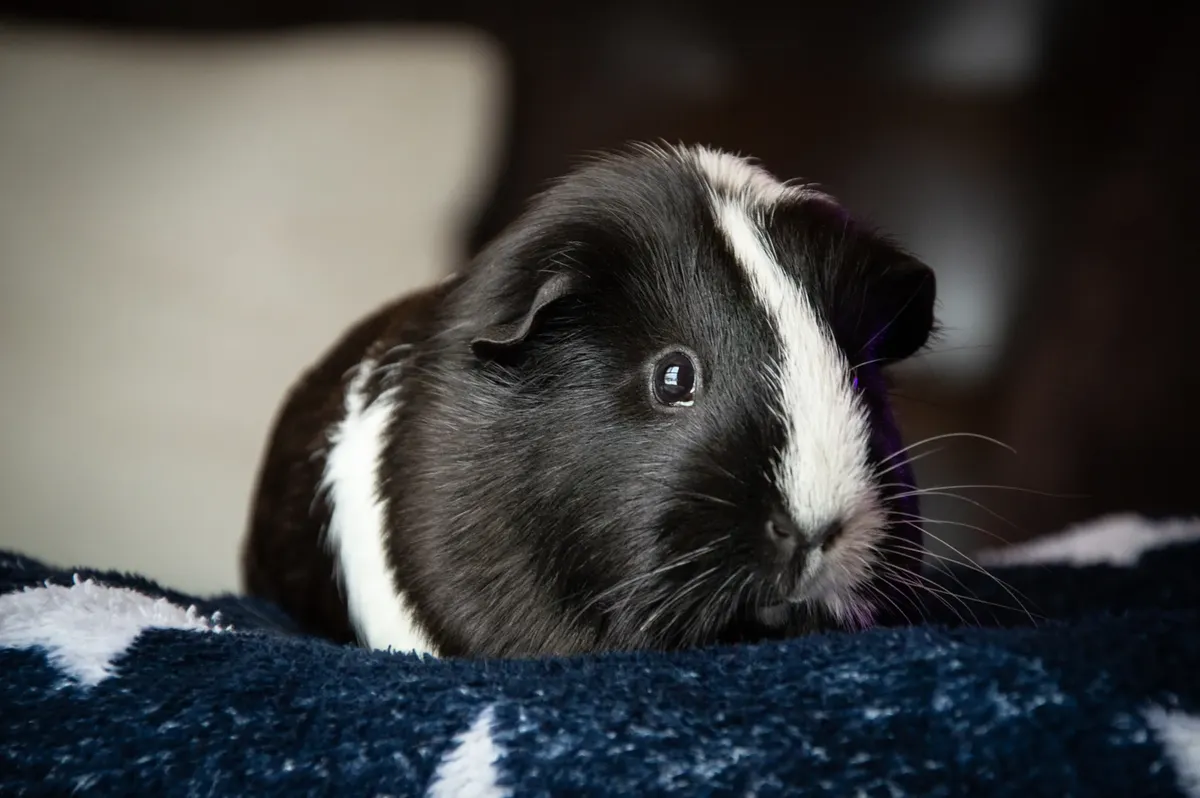
For those bringing home a puppy or small mammal, following a structured routine can mitigate chaos. You can use these three steps to manage the transition:
- Prepare the habitat: Set up all food, water, and bedding in a quiet corner before the pet arrives. 2. Limit exploration: Allow the pet to explore only the immediate area to prevent them from feeling lost in a large house. 3. Observe without interference: Watch their behavior from a distance to identify their needs without forcing interaction.
After completing these steps, perform a final check to ensure all exits are secure and the environment remains quiet. I found that stepping back during the first hour was more effective than staying close to the pet.
- Establish a consistent feeding and bathroom schedule immediately to build a predictable routine.
- Introduce gentle supervised exploration of the home to prevent overwhelming the puppy.
- Provide positive reinforcement through small treats and praise to associate the new home with safety.
Can we improve small animal adjustment help?
A rabbit nudges a hay pile, looking around the enclosure with cautious curiosity. The owner keeps the room temperature steady and the noise levels low.
Small animal adjustment help is most effective when it respects the animal's natural instinct to hide. Small pets often feel vulnerable in open spaces, making the first day a test of their ability to find cover.
If an animal spends the entire first day hiding, it is not necessarily a failure of the process. It is a natural coping mechanism. Success is defined by the animal feeling safe enough to eat and use the litter area, rather than immediate social engagement.
Small animals often feel vulnerable in large, open spaces, so providing hiding spots like boxes or tunnels is essential for their confidence. Keep their enclosure in a low-traffic area to prevent sudden movements from causing panic during their adjustment period.
How to handle new pet home anxiety?
A small bird flutters briefly to a new perch before settling back into the foliage. The household remains quiet to prevent startling the new inhabitant.
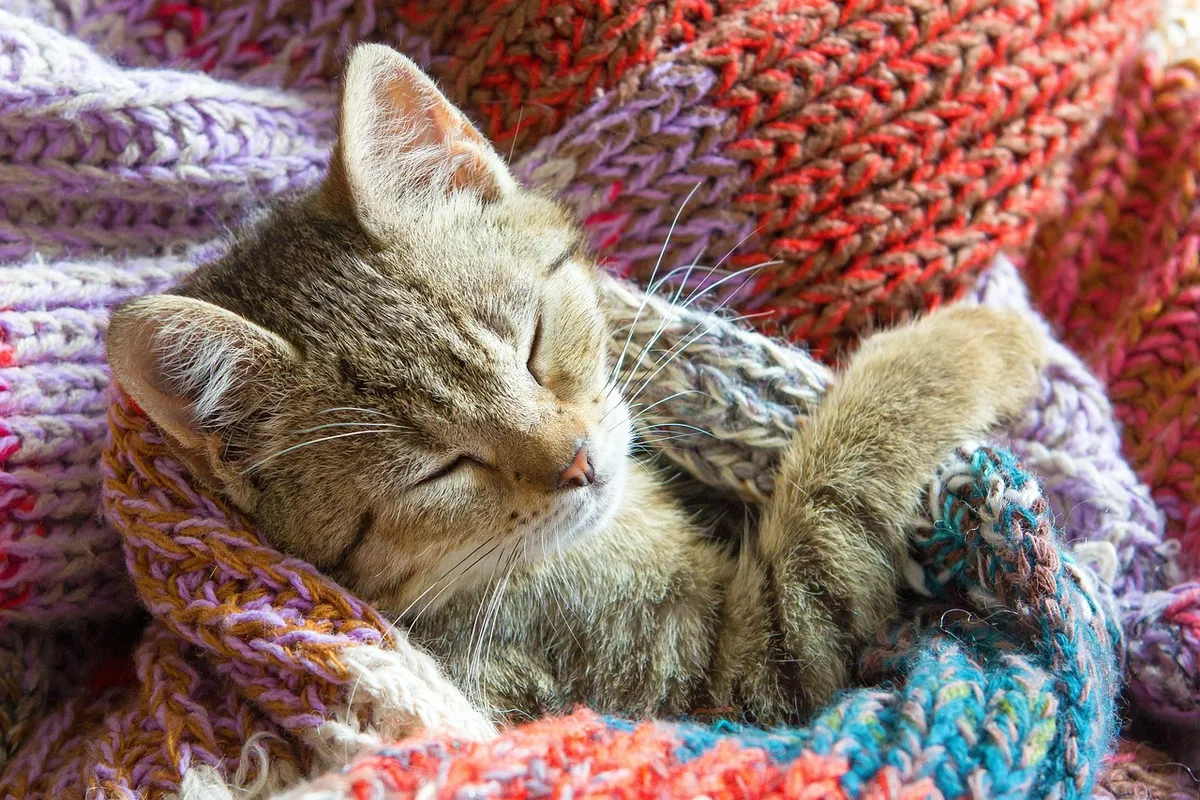
New pet home anxiety is often exacerbated by well-meaning owners who treat the pet like a toy rather than a living being. Frequent handling or loud greetings can turn a manageable transition into a traumatic event.
To manage this, keep the household routine as predictable as possible. If the pet is small enough to be easily lost or frightened, use a secure enclosure as their primary home for the first few days. This provides a physical boundary that helps them understand where they are safe.
Maintain a calm, low-key demeanor to signal to your pet that there is no cause for alarm. Avoid forced interaction; instead, let the pet approach you on their own terms to build trust without causing further distress.
This part also covers Why pets fail to adapt.
Why pets fail to adapt
Related
- Pet first day stress guide: Why lifestyle affects transition
- Summer care for small pets: Guide to cooling strategies
What precautions should I take when the pet is entering the home? Owners should establish a quiet, secure zone immediately when the pet is entering the home. This zone must be set up in a low-traffic area so the pet can observe the household from a distance. Providing hides and consistent scents helps bridge the gap between their old life and their new one, which manages the variables causing panic.
When the pet is entering the home, minimizing direct interaction is a key procedure to lower stress levels. The owner should observe natural behaviors to assess comfort rather than initiating contact. This cautious approach prevents the owner from inadvertently causing more distress.
If the pet is small enough to be easily lost or frightened, using a secure enclosure as their primary home for the first few days is a necessary condition. This physical boundary helps the animal understand where they are safe while they are entering the home.
Ensure all potential hazards, such as loose wires or toxic plants, are secured before the pet enters the living space. Keep doors and gates closed to prevent accidental escapes during the initial period of disorientation.
Small Mammals - Centers for Disease Control and Prevention | CDC (.gov) Based on the retained excerpt mentioning CDC: News (Centers for Disease Control and Prevention | CDC (.gov), Wed, 15 May 2024): Small Mammals - Centers for Disease Control and Prevention | CDC (.gov).



Comments 0